
A clogged dryer vent can drain money from your wallet without you ever noticing, quietly, month after month. Yes, a clogged dryer vent increases your electric bill, plain and simple, by forcing your dryer to work harder and run longer than it should. At Air Wolfe Air Duct Cleaning, we help homeowners restore proper airflow so their dryers run efficiently again. You deserve a dryer that actually finishes clothes in one cycle, not three.
Why does a little lint cause such a big headache? Lint builds up inside the vent every single time you dry a load, no exceptions. Over months, that buildup narrows the path air needs to escape through. Your dryer ends up trapping heat and moisture instead of pushing them outside where they belong.
You might not catch the change right away. Clothes take a little longer to dry one week. The dryer runs a little hotter the next. Small shifts like these usually mean a blockage is quietly growing inside your vent system. In Massachusetts, where dryers run pretty much year-round, tiny inefficiencies like that add up fast across every season.
Here’s what the rest of this guide covers. You’ll see exactly why airflow restriction wastes electricity and how lint buildup actually happens in the first place. You’ll also pick up the warning signs that tell you it’s time to call in professional help. Stick with it, because every Massachusetts homeowner can use this knowledge by the time you’re done reading and understand the value of a professional dryer vent cleaning service.
How Does a Clogged Dryer Vent Affect Energy Efficiency at Home?
Energy efficiency at home comes down to more than just insulation and good windows. Your dryer plays a bigger role in that equation than most people ever consider. A clogged dryer vent forces the heating element to run longer for every single load. Longer run times mean more electricity pulled straight from your home’s supply.
Why Airflow Restriction Wastes Electricity
Blocked vents trap hot, moist air right inside the drum. Your dryer’s sensors pick up on that moisture and just keep heating past the normal cycle length. That extra heating time pulls more power straight off your electric meter. A clear vent lets moist air escape fast, and the cycle actually ends on schedule.
Longer Drying Cycles Mean Higher Costs
A single load might run 40 minutes with a clear vent; no surprises there. That same load can stretch past an hour once the vent’s clogged. You can multiply that extra time across three or four loads a week, every week. The added electricity use shows up loud and clear on your monthly bill.
What Causes Lint Buildup in Dryer Vents?
Lint buildup in dryer vents happens slowly, a little at a time. Your lint trap catches most fibers, sure, but never all of them. Small particles slip past and travel down through the duct anyway. Over time, those stray particles collect along the vent walls.
Vent Length and Design Issues
Vent design honestly matters more than most homeowners ever expect. A short, straight run lets air and lint exit fast, no drama. A long run with a few sharp bends slows everything down considerably. Lint settles more easily at every single turn. Homes with the dryer tucked far from an exterior wall run into this constantly. Older Massachusetts homes especially have vent layouts nobody designed with efficiency in mind.
A few common issues tend to make lint buildup worse over time.
• Long or twisting vent runs
• Plastic or foil ducting instead of rigid metal
• Infrequent lint trap cleaning
• Bird or rodent nests inside the vent
• Vents that lack regular professional cleaning
Why Does a Professional Dryer Vent Cleaning Service Matter?
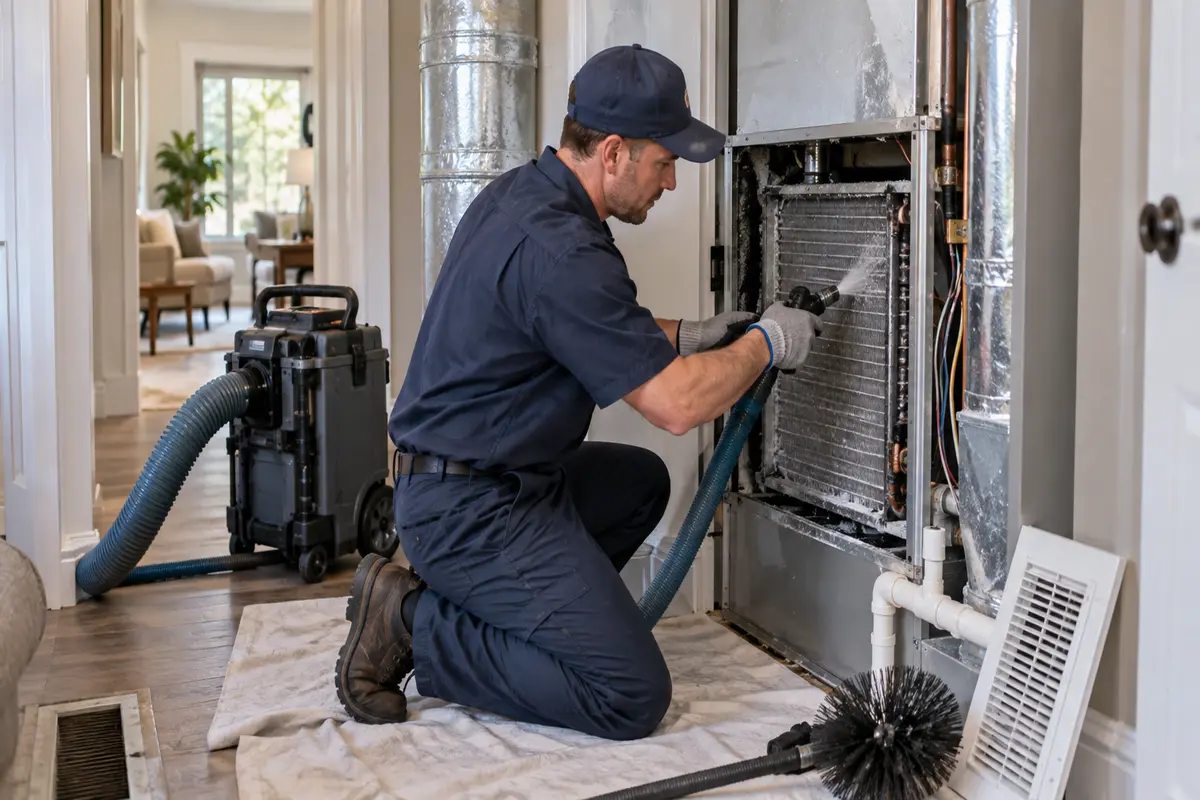
Sure, you can vacuum the lint trap yourself every week, and you should. But deep buildup inside the vent line needs different tools entirely. A professional dryer vent cleaning service uses specialized brushes and vacuums built specifically for the job. Technicians clear the entire duct, not just the parts you can reach with your arm.
A homeowner in Lowell noticed her dryer running two full cycles just to dry one load of towels. A technician found a thick, compacted layer of lint buried deep inside the vent line. After the cleaning, that same load dried completely in a single cycle. Her next electric bill came in lower than the month before.
Regular service from Air Wolfe Air Duct Cleaning keeps your vent clear year-round, with no guesswork involved. Clean vents protect your energy budget and stretch your dryer’s lifespan too.
How Does Dryer Fire Prevention Connect to Vent Cleaning?
Dryer fire prevention really does start with a clear vent. That’s the whole ballgame. Lint is highly flammable, especially sitting right next to a heat source. A blocked vent pushes the internal temperature of your dryer higher than it should go. That heat, mixed with dry lint, adds up to a real fire risk inside your home. Many homeowners don’t realize that a clogged dryer vent can cause a fire until warning signs begin to appear.
A few warning signs tell you fire risk might be building inside your vent.
• Burning smell during or after a cycle
• Dryer runs hot to the touch
• Clothes still damp after a full cycle
• Visible lint around the vent opening
• Longer than normal drying times
How Much Could a Clogged Dryer Vent Cost You Each Year?
Small extra costs add up fast over twelve months, faster than you’d guess. A dryer running 15 extra minutes per load wastes real electricity, load after load. You can multiply that waste across three or four loads a week. The yearly total often catches homeowners off guard once they actually see the numbers.
A family in Quincy ran about five loads a week with a partially blocked vent. Each load took nearly double the normal drying time, every time. Over the course of a year, that added strain pushed their electric costs up by a noticeable margin. One dryer vent cleaning service appointment fixed the problem and lowered their monthly bill going forward. Their dryer also stopped shutting off mid-cycle, a classic symptom of restricted airflow. Many homeowners compare the dryer vent cleaning cost in Massachusetts with the long-term savings on energy bills and repairs, only to find that routine maintenance is a worthwhile investment.
You can dodge this whole pattern with routine maintenance. A clear vent keeps your energy use predictable month to month. Predictable costs make budgeting for utilities a whole lot easier.
How Do You Know When to Schedule Dryer Vent Cleaning?
Most experts recommend cleaning your vent at least once a year, minimum. Homes with pets or a full house of laundry may need it more often than that. You should keep an eye on how your dryer performs after every few loads.
Signs Your Vent Needs Attention
You should pay attention if drying times keep creeping up. A burning smell during a cycle needs immediate attention, full stop. Excess heat in the laundry room signals a problem too. Signs like these mean your vent needs a professional look, sooner rather than later. A quick inspection now can save you a costly repair, or worse, an unsafe situation later on. A fall appointment helps too, since heavy dryer use during colder months puts extra strain on a vent that’s already struggling.
Dryer vent safety affects a lot more than just your electric bill. According to the U.S. Fire Administration, failure to clean the vent is a leading factor behind clothes dryer fires across American homes. Regular cleaning protects your family, your home, and your energy costs, all at the same time.
You now know exactly how a clogged dryer vent increases your electric bill and raises your fire risk right along with it. Clean vents save money, protect your home, and help your dryer last a lot longer. You can contact Air Wolfe Air Duct Cleaning today to schedule a thorough dryer vent cleaning service.