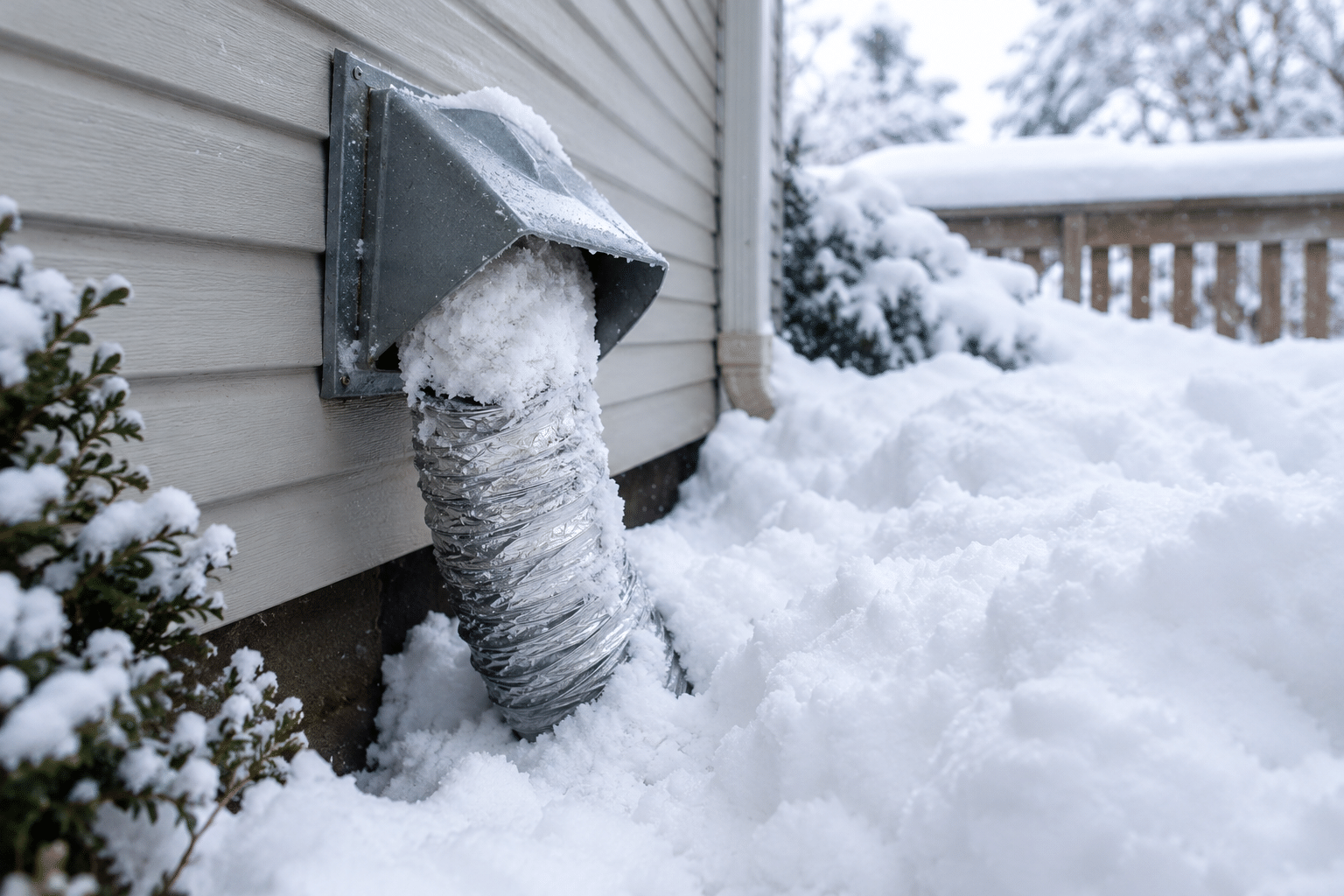
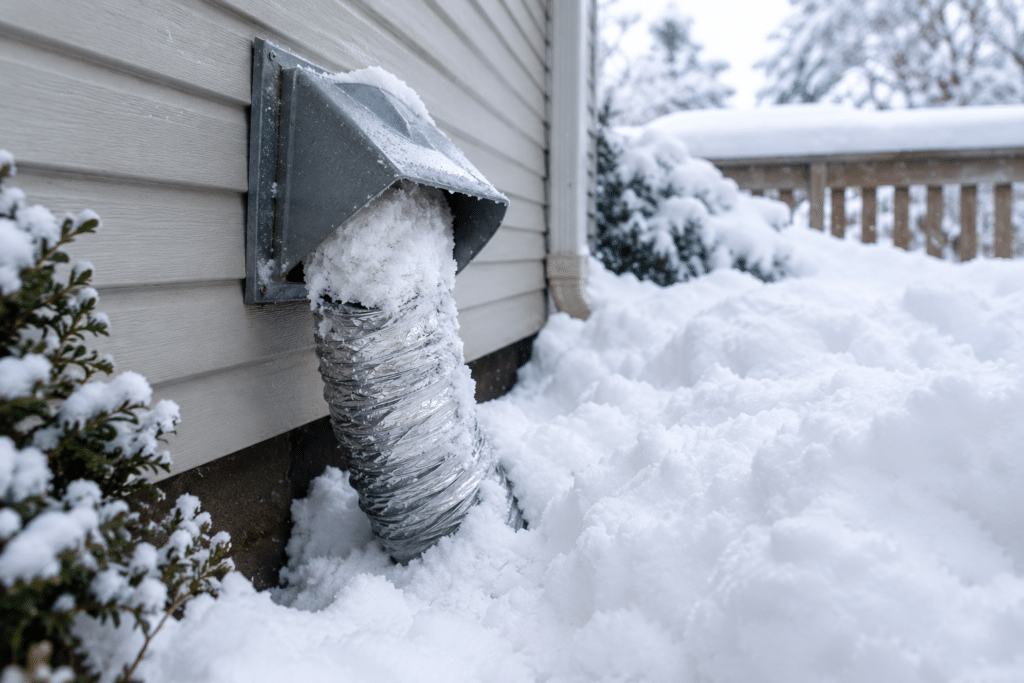
A snow-blocked dryer vent restricts exhaust airflow, allowing heat and moisture to build up inside the dryer and its exhaust system. If snow or ice covers your outdoor dryer outlet, stop using the appliance until the obstruction is safely addressed. For persistent restrictions or an inaccessible outlet, arrange professional dryer vent cleaning and an inspection. For Needham homeowners, checking the exterior vent after snowstorms is an important winter maintenance task. This guide explains the warning signs, what you can safely check yourself, and when to call a professional.
How Snow and Ice Block Dryer Vents
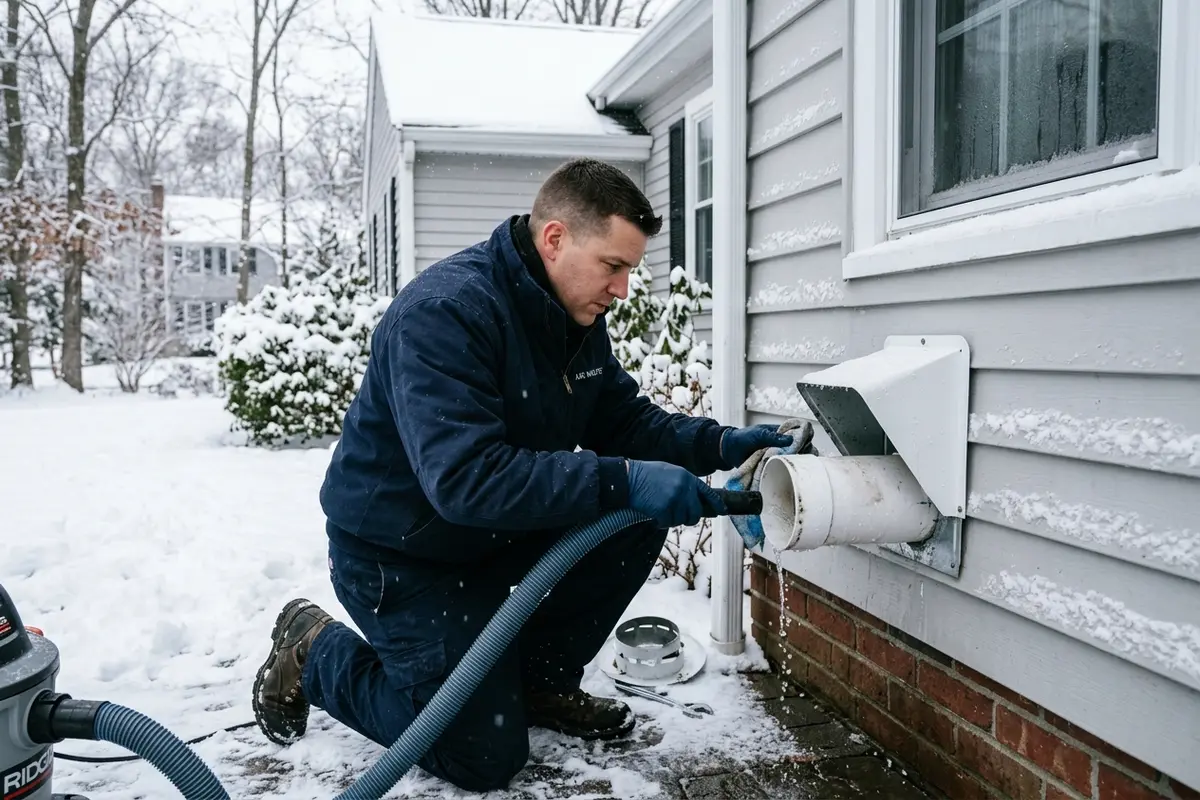
A vented dryer sends warm, moisture-laden air outdoors through an exhaust duct. The exterior hood usually contains a flap, or damper, that opens during operation. Snowdrifts can bury low outlets, while ice can prevent the damper from opening. A blocked outlet restricts airflow even when the duct inside your home is otherwise clear. Internal lint buildup creates a separate problem. Removing snow from the hood does not remove lint deeper inside the exhaust line. Likewise, cleaning the duct does not prevent a snowdrift from covering the opening during the next storm.
Why a Blocked Dryer Vent Needs Prompt Attention
Overheating and Fire Risk
Restricted airflow can cause a dryer to overheat. When lint accumulates in the exhaust system, it adds combustible material to an already concerning situation. The National Fire Protection Association recommends keeping the exhaust pipe unrestricted and ensuring the exterior flap can open during operation.
Carbon Monoxide Concerns With Gas Dryers
Gas dryers produce combustion exhaust that may contain carbon monoxide. A blocked exhaust can prevent these gases from venting properly. Electric dryers do not produce carbon monoxide through normal electric heating, but blocked exhaust still creates overheating and moisture concerns. If a carbon monoxide alarm sounds, get everyone outside immediately. Massachusetts fire officials specifically warn residents to keep dryer and other appliance exhaust vents clear of snow.
Moisture and Condensation Problems
A restricted exhaust can leave clothes damp and contribute to excess moisture around the laundry area. Persistent condensation, water stains, or musty odors deserve investigation. These symptoms do not automatically mean mold is present. A professional assessment can help identify whether the problem involves restricted airflow, leaking connections, or another moisture source.
Signs Your Dryer Vent May Be Blocked by Snow
Check the accessible exterior outlet if drying performance changes after a winter storm. Warning signs include:
- Clothes take longer than usual to dry.
- Loads remaining unusually hot and damp.
- Excess humidity in the laundry room.
- An exterior hood buried beneath snow.
- A damper visibly frozen shut.
- The dryer stopped unexpectedly during a cycle.
These symptoms can also result from internal lint buildup or appliance faults. Our guide to warning signs your dryer vent needs cleaning explains additional indicators. Stop using the dryer if you notice a burning smell or unusual overheating. If there is smoke or fire, leave the home.
How to Safely Check a Snow-Blocked Dryer Vent
Step 1: Turn Off the Dryer
Stop the appliance before checking the exterior outlet. Do not continue running loads in an attempt to melt snow or ice. If a carbon monoxide alarm sounds or you suspect a gas leak, leave immediately instead of troubleshooting the vent.
Step 2: Locate the Outlet From Safe Ground
Find the exterior opening connected to your dryer. Many homes have wall-mounted outlets, while others discharge through a roof. Only inspect an outlet you can safely reach from firm ground. Avoid icy ladders, slippery decks, and snow-covered roofs. An inaccessible outlet needs professional attention.
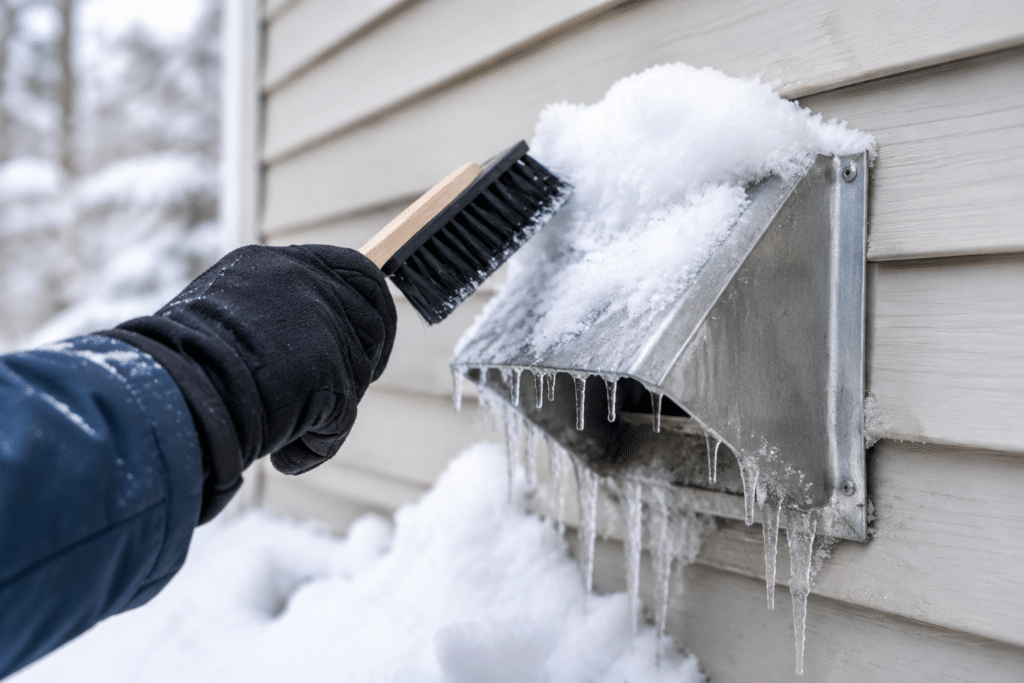
Step 3: Gently Clear Loose Snow
Use gloved hands or a soft brush to remove loose snow around the hood. Work carefully so you do not push snow into the duct. Avoid striking the cover with a shovel or scraping it with sharp tools. Cold plastic can be brittle, and damaged components may need replacement.
Step 4: Check for a Frozen or Damaged Flap
With the dryer off, gently check whether an accessible flap moves freely. Do not force it open or chip away bonded ice. Avoid household hair dryers around snow and melting water, open flames, heat guns, and boiling water. If ice holds the damper shut, keep the dryer off and arrange professional assistance.
Step 5: Address Any Remaining Restriction
A clear-looking hood does not prove the entire exhaust line is unobstructed. If the flap remains stuck, drying stays slow, or overheating continues, stop using the appliance until the problem is assessed. Follow the dryer manufacturer’s instructions before returning it to service.
How to Reduce Winter Dryer Vent Blockages
Check the Outlet After Snowstorms
Make checking the dryer outlet part of your snow-clearing routine. Look again when drifting snow or roof runoff could cover an opening you previously cleared. Avoid piling shoveled snow against the exhaust hood.
Keep the Lint Filter Clean
Remove lint from the filter before or after each load, following your appliance instructions. This helps maintain airflow but does not replace cleaning the exhaust duct.
Have Recurring Freezing Investigated
A hood that repeatedly freezes or becomes buried may need more than another cleaning. Have a qualified professional review its condition, location, and compatibility with your dryer. Use a suitable dryer exhaust hood with a freely operating damper. Avoid adding screens or improvised covers that can catch lint and restrict airflow. Pacific Northwest National Laboratory specifically advises against screens over dryer exhaust outlets.
When to Call a Dryer Vent Professional in Needham
Arrange an inspection when:
- Ice prevents the exterior damper from opening.
- The outlet is above safe ground-level reach.
- Snow blockages or freezing keep returning.
- Drying remains slow after exterior snow is removed.
- You notice damaged ductwork, a broken hood, or water staining.
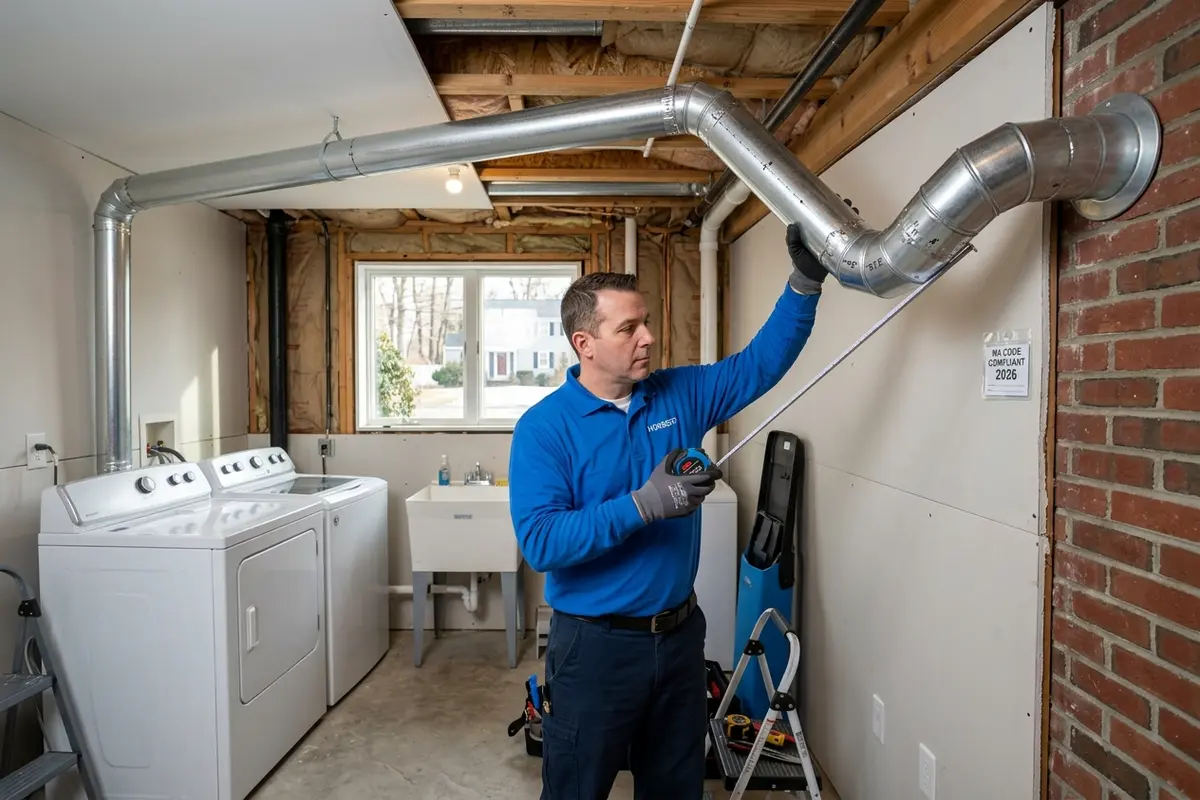
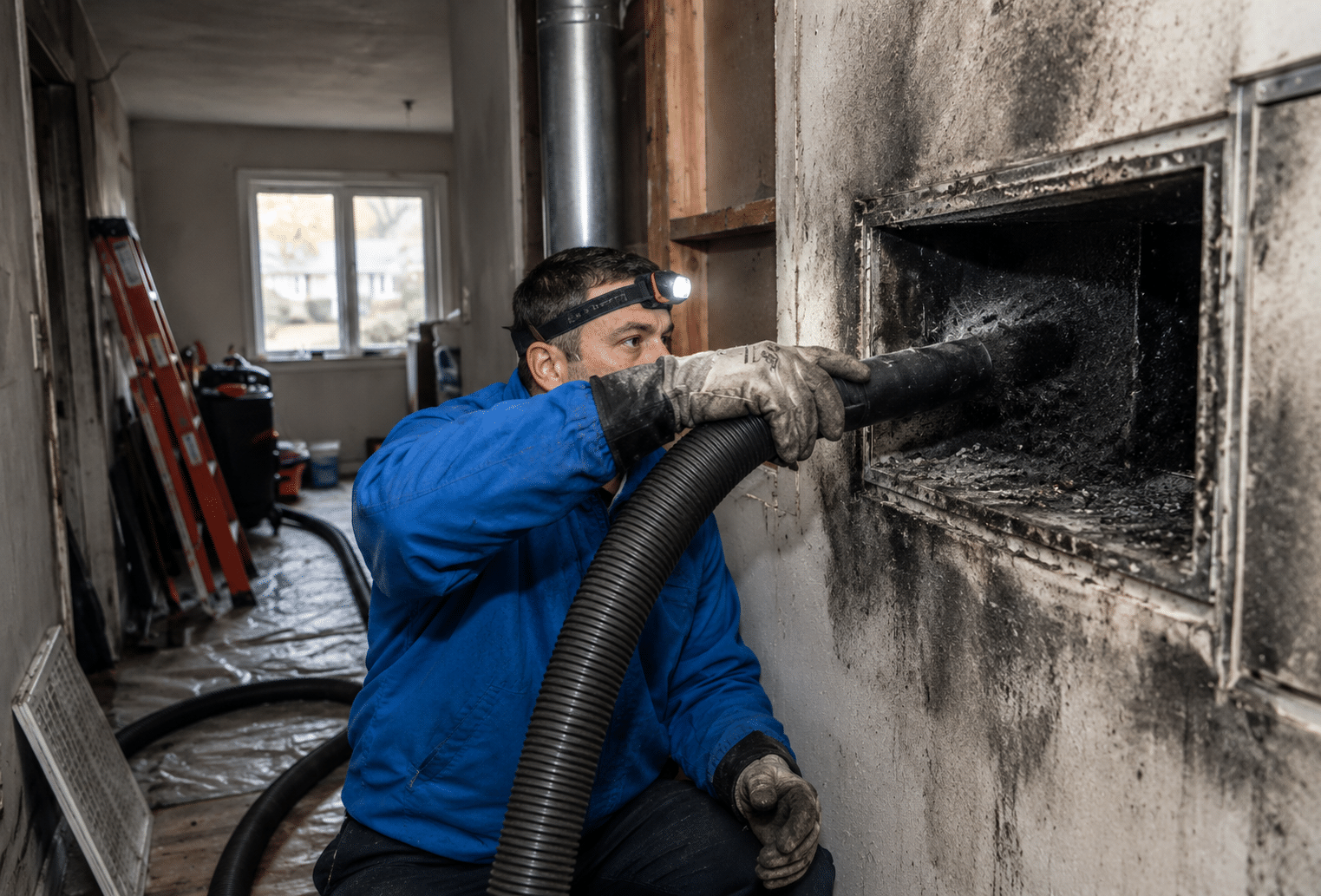
A vent professional can assess exhaust restrictions and damaged vent components. If the exhaust is clear but the dryer still performs poorly, an appliance technician may need to investigate the machine itself. For help with accumulated lint and exhaust maintenance, explore Air Wolfe’s laundry dryer vent cleaning service.
Schedule Dryer Vent Maintenance in Needham, MA
Winter dryer safety starts with an unobstructed outlet and a properly maintained exhaust line. Check accessible openings after storms, keep the lint filter clean, and investigate changes in drying performance promptly.
Frequently Asked Questions
Can I use my dryer if snow covers the outside vent?
No. Stop using the dryer until the outlet is clear and the damper can operate properly. Running it against a blocked exhaust can trap heat and moisture.
Can a snow-blocked dryer vent cause carbon monoxide buildup?
A blocked gas-dryer exhaust can interfere with the removal of combustion gases, including carbon monoxide. Maintain working CO alarms according to their manufacturer’s instructions. If an alarm sounds, leave immediately and call 911 from outside.
Should I use hot water to thaw a frozen dryer vent?
Avoid pouring hot or boiling water onto the hood. Added water can refreeze, and sudden heat may damage components. Leave a frozen-shut outlet for a qualified professional to assess.
Does clearing snow replace dryer vent cleaning?
No. Snow removal clears the exterior opening, while vent cleaning removes accumulated lint and debris inside the exhaust line. Either type of obstruction can restrict airflow.
How often should I check the dryer vent during winter?
Check it after snowstorms and whenever drifting snow, ice, or roof runoff may obstruct the outlet. Also investigate unexpected changes in drying time or appliance temperature.
What if my dryer vent exits through the roof?
Do not climb onto a snowy or icy roof to inspect it. Stop using the dryer if you suspect a blockage and contact a professional who can assess the outlet safely.