If a technician has ever offered to “sanitize” your air ducts for an extra fee, you’ve probably wondered whether that’s a real service or just a way to pad the invoice. At Air Wolfe Air Duct Cleaning, based right here in Needham, we get this question constantly from homeowners across Needham, Newton, and Boston, and the honest answer is that sanitizing is a legitimate, EPA-regulated treatment, but it’s genuinely necessary for a much smaller group of homes than the industry lets on. This guide walks through what sanitizing actually does, what federal guidance says about it, and exactly when it’s worth paying for versus when you should say no.
What Air Duct Sanitizing Actually Is (and How It Differs From Cleaning)
Cleaning and sanitizing are two different services, even though they’re often sold together.
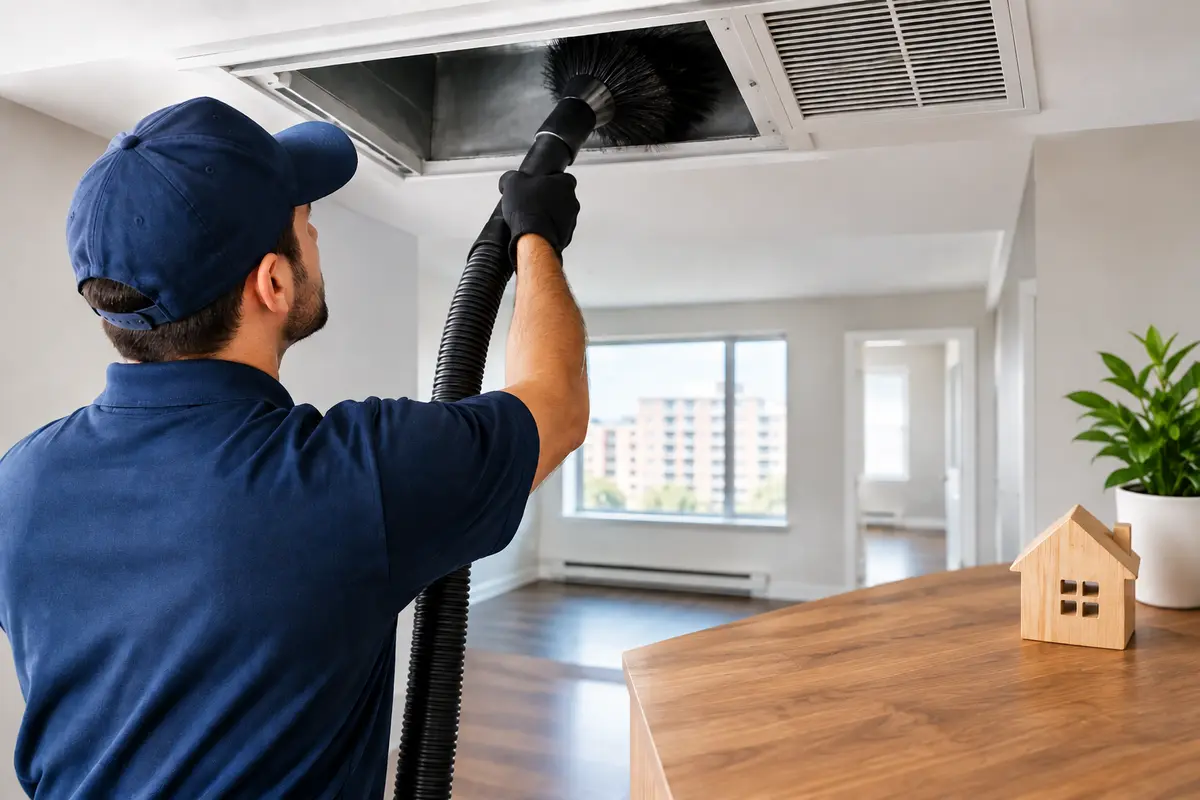
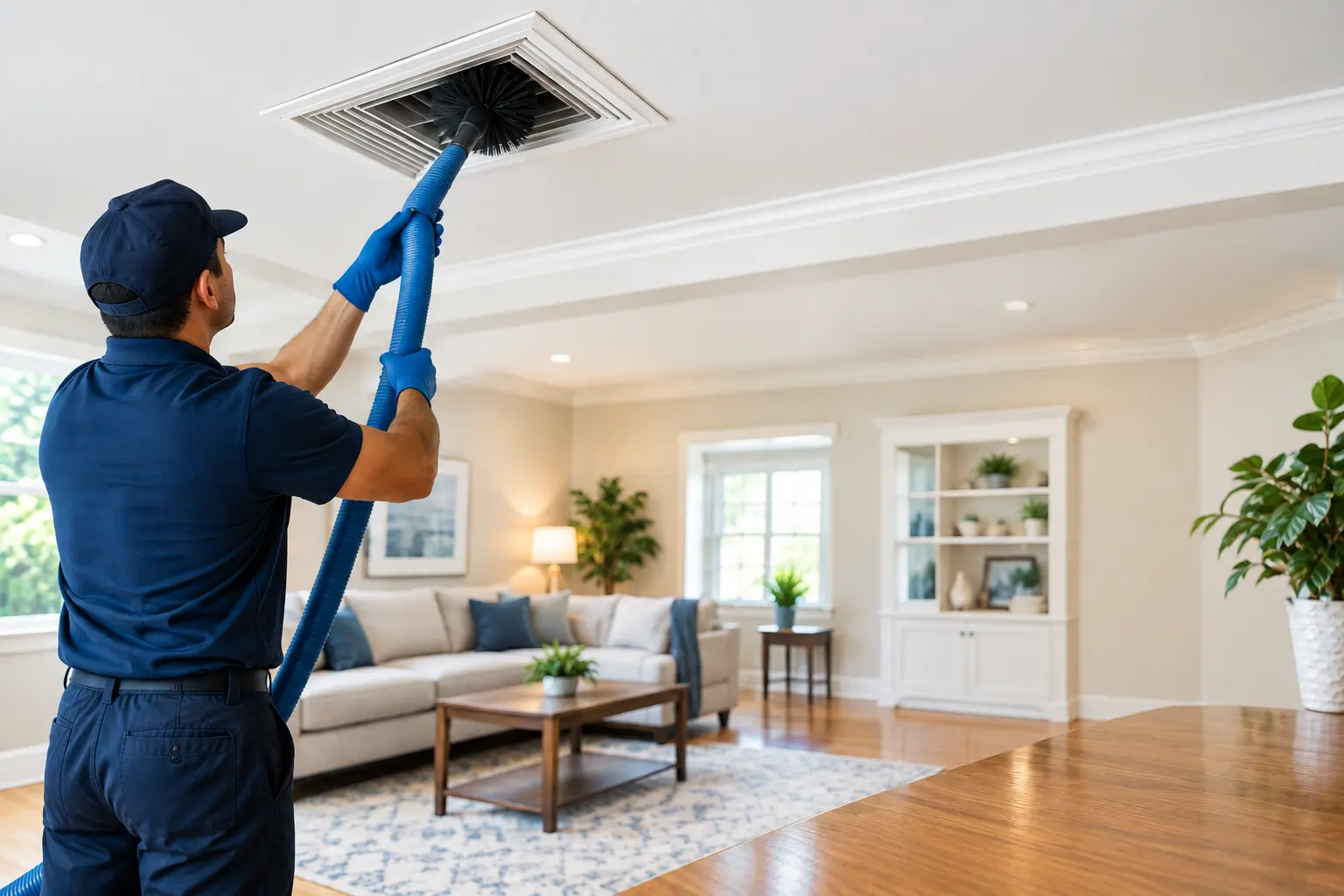
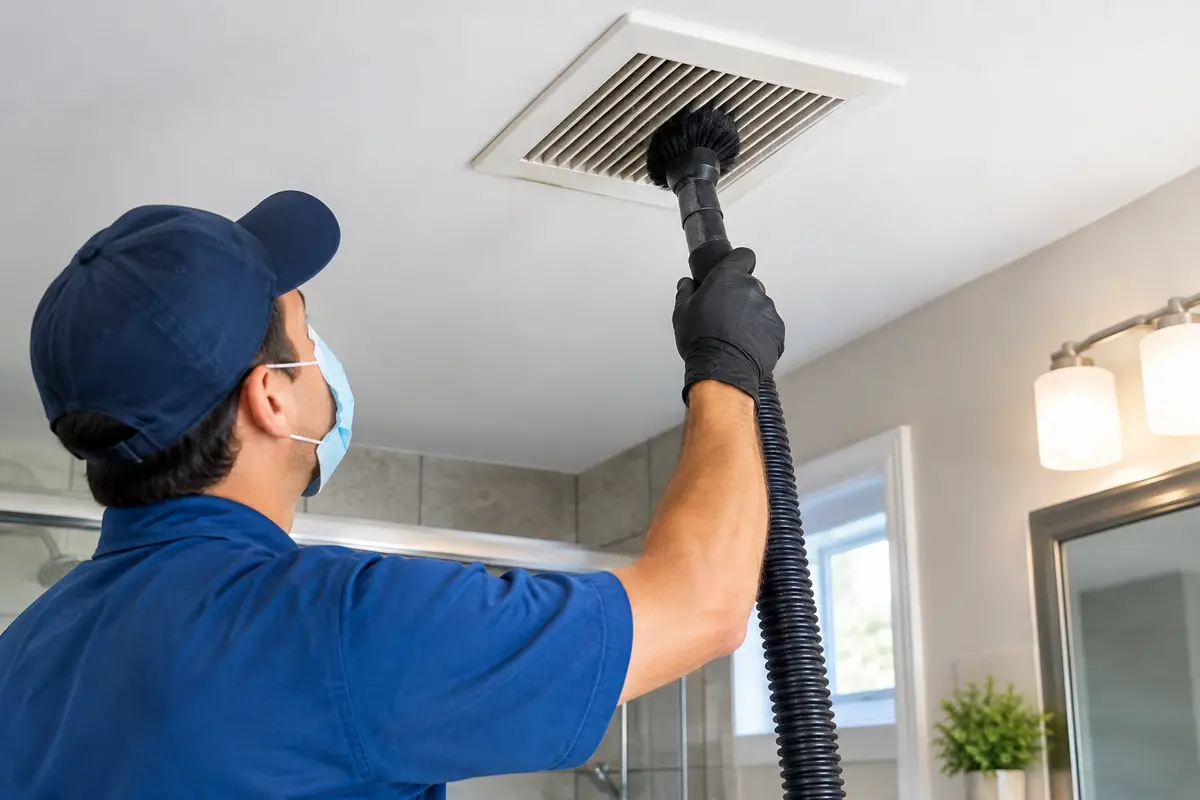
Air Duct Cleaning physically removes dust, debris, pet hair, and buildup from your ductwork using HEPA vacuums and agitation tools. It’s a mechanical process; nothing chemical is involved.
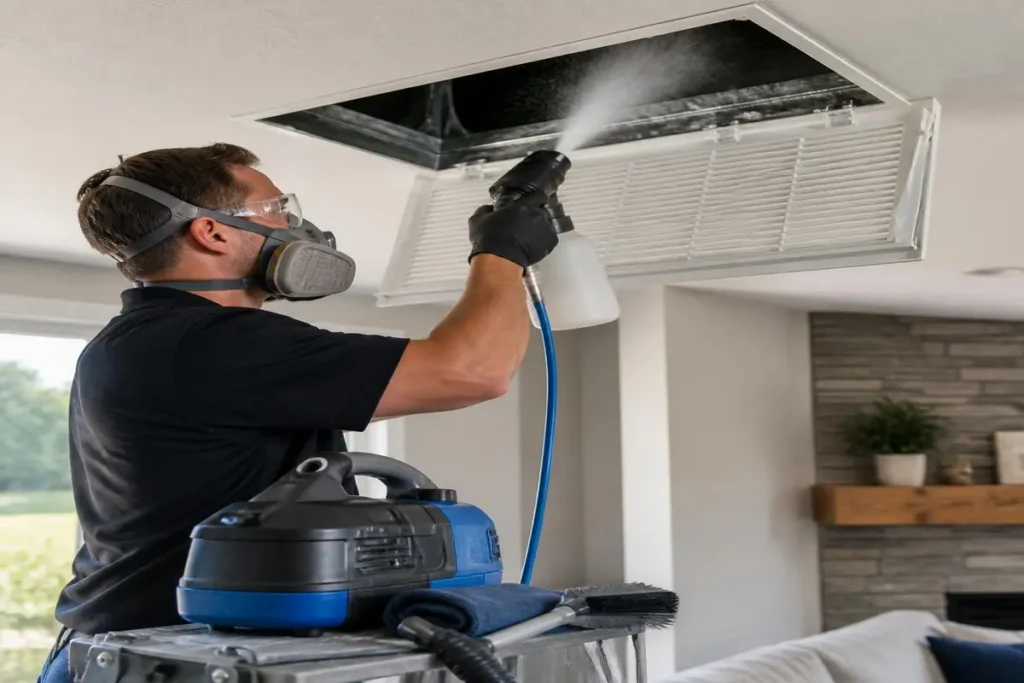
Sanitizing is a separate, additional step where a technician fogs an antimicrobial product onto the interior duct surfaces after cleaning, targeting bacteria, mold spores, and other microbial growth that cleaning alone won’t kill. It’s typically applied while the system is still connected to negative-pressure equipment so the product coats the ductwork evenly.
The key point: sanitizing doesn’t replace cleaning, and it shouldn’t be sold as a way to skip a proper mechanical cleaning. It’s an add-on for a specific problem, not a shortcut.
Is It Necessary? What the EPA and NADCA Actually Say
This is where a lot of company websites get vague, so here’s the direct answer.
The EPA regulates duct sanitizers as pesticides under federal law, and their guidance is clear: chemical biocides shouldn’t be applied routinely as standard practice. A product has to be specifically EPA-registered for use inside ductwork, and a technician should be able to show you visible evidence of microbial growth before applying one, not just recommend it as a blanket upsell on every job.
NADCA’s position lines up with the EPA’s. Mechanical cleaning is treated as the primary service; sanitizing is a supplementary treatment used when conditions call for it, not something bundled into every appointment by default.
So if a company offers to sanitize your ducts on every visit regardless of what they find, that’s worth questioning. If they can show you a reason- visible mold, a musty odor, recent water intrusion- that’s a legitimate case for it.
When Air Duct Sanitizing Is Actually Worth Adding
Sanitizing earns its cost in these situations:
- You’ve had water damage or a leak near your ductwork. Moisture is the single biggest driver of microbial growth inside ducts, and sanitizing helps address contamination that plain cleaning can miss.
- There’s a history of mold in the ducts or nearby. Even after mold is physically removed, sanitizing helps address spores that cleaning alone can leave behind on duct surfaces.
- Someone in the home has allergies, asthma, or a compromised immune system. Reducing microbial load in the ductwork can meaningfully help sensitive households, even if it isn’t a cure-all.
- You’re moving into a new home and don’t know its history. Sanitizing gives you a clean baseline when you can’t verify how the previous owners maintained the system.
- A contagious illness has gone through your household. Some homeowners choose to sanitize ductwork after an illness spreads through the family, since it can reduce circulating bacteria and viruses on hard duct surfaces.
When to Skip Air Duct Sanitizing
Don’t pay extra for sanitizing if:
- It’s being offered as a routine add-on with no stated reason. If a technician can’t point to a specific issue, you’re likely paying for a service you don’t need.
- Your ducts are clean and dry with no history of mold, pests, or water damage. A standard cleaning is enough.
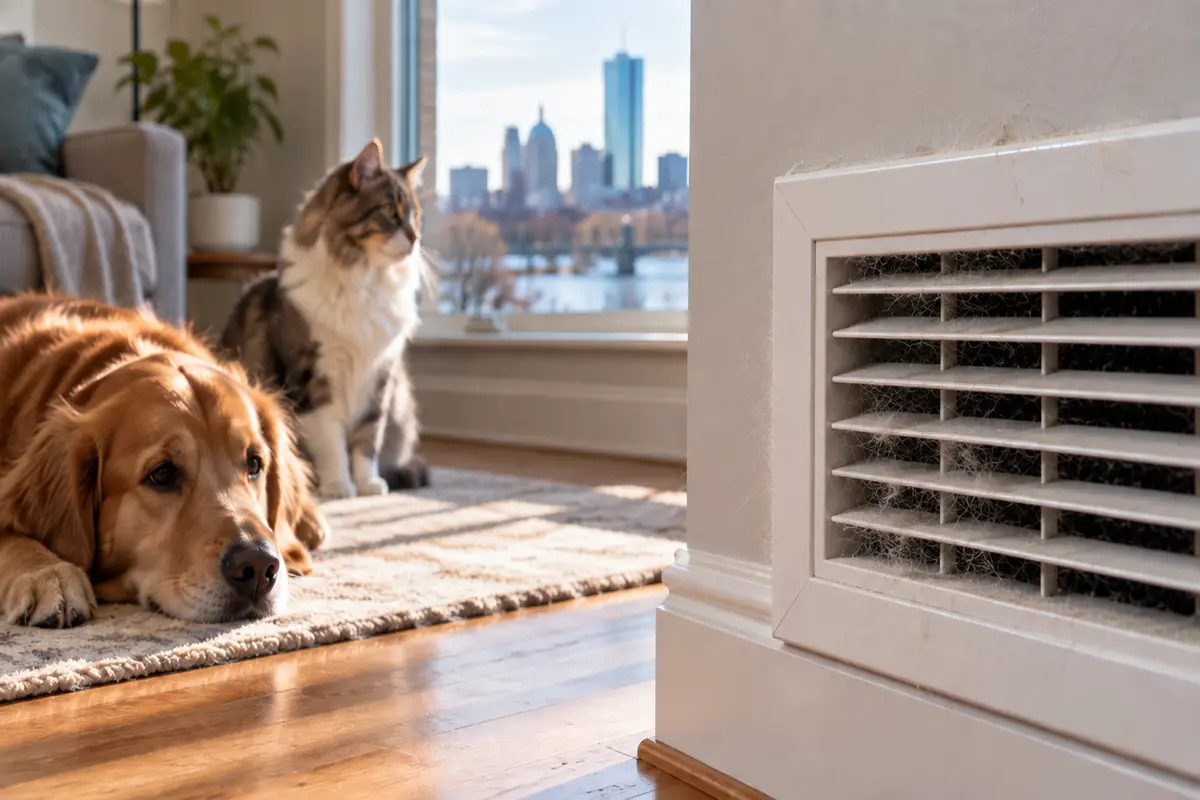
- The “problem” is just dust. Regular household dust isn’t a microbial issue, and sanitizer won’t do anything cleaning hasn’t already handled.
- You’re being told sanitizing can replace a proper cleaning. It can’t, and any company suggesting it can is cutting corners, not saving you money.
A Needham-Area Wrinkle: Not All Ductwork Can Legally Be Sanitized
Here’s a detail that matters for a lot of homes around Needham, Newton, and Framingham: sanitizing isn’t legal or appropriate for every type of duct material.
The EPA-registered antimicrobial products used in duct sanitizing are approved specifically for bare, unlined sheet metal ductwork. There are currently no EPA-registered biocides for fiberglass duct board or fiberglass-lined ducts, a duct type that’s common in homes built or renovated from the 1980s onward across Greater Boston. Applying a chemical sanitizer to fiberglass-lined ductwork isn’t just ineffective; it can damage the material and release fibers into your air supply.
This means before anyone sanitizes your ducts, a technician needs to know what your ductwork is actually made of. If a company skips that step and offers to sanitize sight unseen, that’s a sign they’re not following EPA guidance, regardless of how professional the sales pitch sounds.
How Air Wolfe Air Duct Cleaning Handles Air Duct Sanitizing
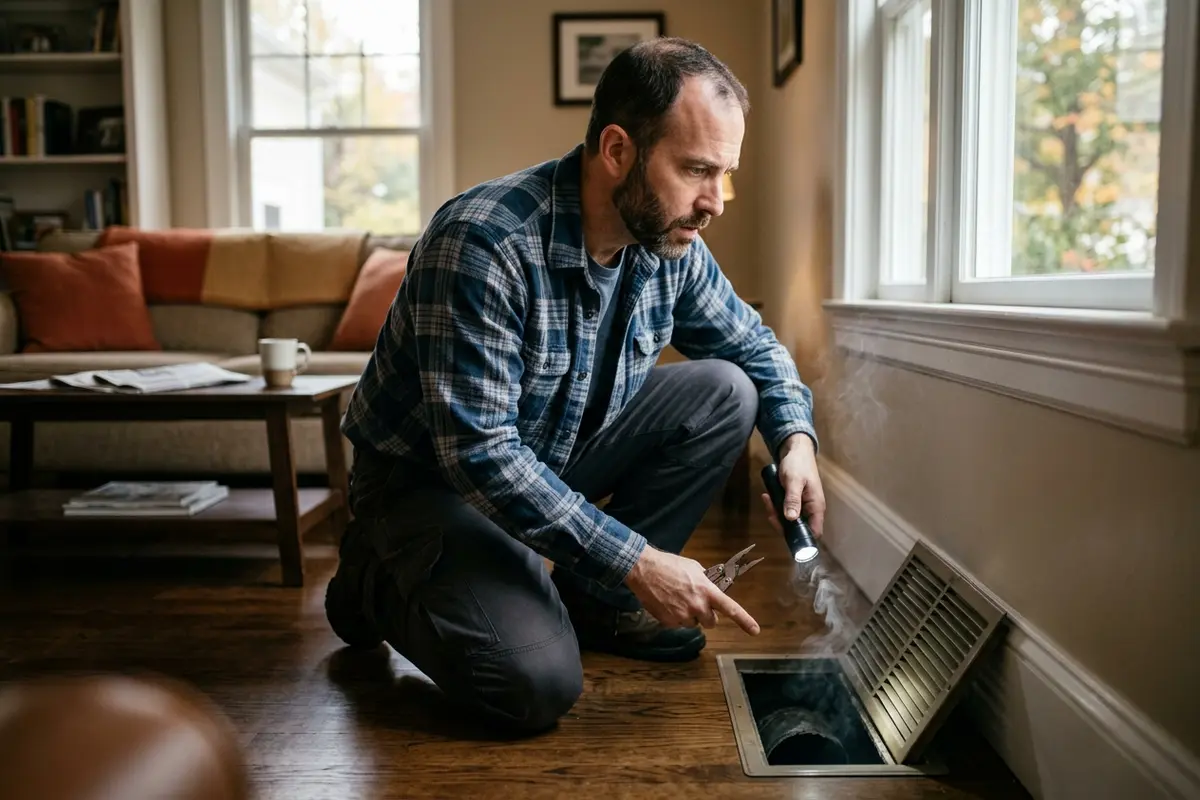
We treat sanitizing the way the EPA and NADCA say it should be treated: as a targeted add-on, not a default upsell. Our technicians inspect your ductwork material and condition first, and we’ll only recommend sanitizing if there’s an actual reason for it: visible mold, water damage, or a household health concern you’ve raised with us. If your ducts don’t need it, we’ll tell you that instead of adding it to the invoice.
FAQs
- Is air duct sanitizing necessary after every cleaning? No. The EPA and NADCA both treat sanitizing as a supplementary treatment for specific situations, not a required step in every duct cleaning.
- How long does duct sanitizing last? Most professional treatments are effective for roughly six months, though this varies by product and by how quickly your ducts pick up new moisture or contamination.
- Is duct sanitizer safe for my family and pets? When a technician uses an EPA-registered product on the correct duct material and follows label directions, it’s considered safe. Ask your technician for the product’s safety data sheet if you have concerns.
- Can sanitizing be used on fiberglass ductwork? No. There are currently no EPA-registered biocides for fiberglass duct board or fiberglass-lined ducts. A technician should confirm your duct material before recommending sanitizing.
- Does sanitizing replace the need for regular duct cleaning? No. Sanitizing addresses microbial growth on duct surfaces; it doesn’t remove physical dust and debris the way mechanical cleaning does. The two are complementary, not interchangeable.
Not Sure If Your Ducts Need Sanitizing?
We’ll tell you honestly, not just sell you the add-on. Air Wolfe Air Duct & Dryer Vent Cleaning serves homeowners across Needham, Newton, Boston, and the rest of Greater Boston with straightforward inspections and flat-rate pricing. If you want a real answer about whether sanitizing makes sense for your Needham home, call (617) 991-6651 or email Info@airwolfeairductcleaning.com to schedule an inspection.