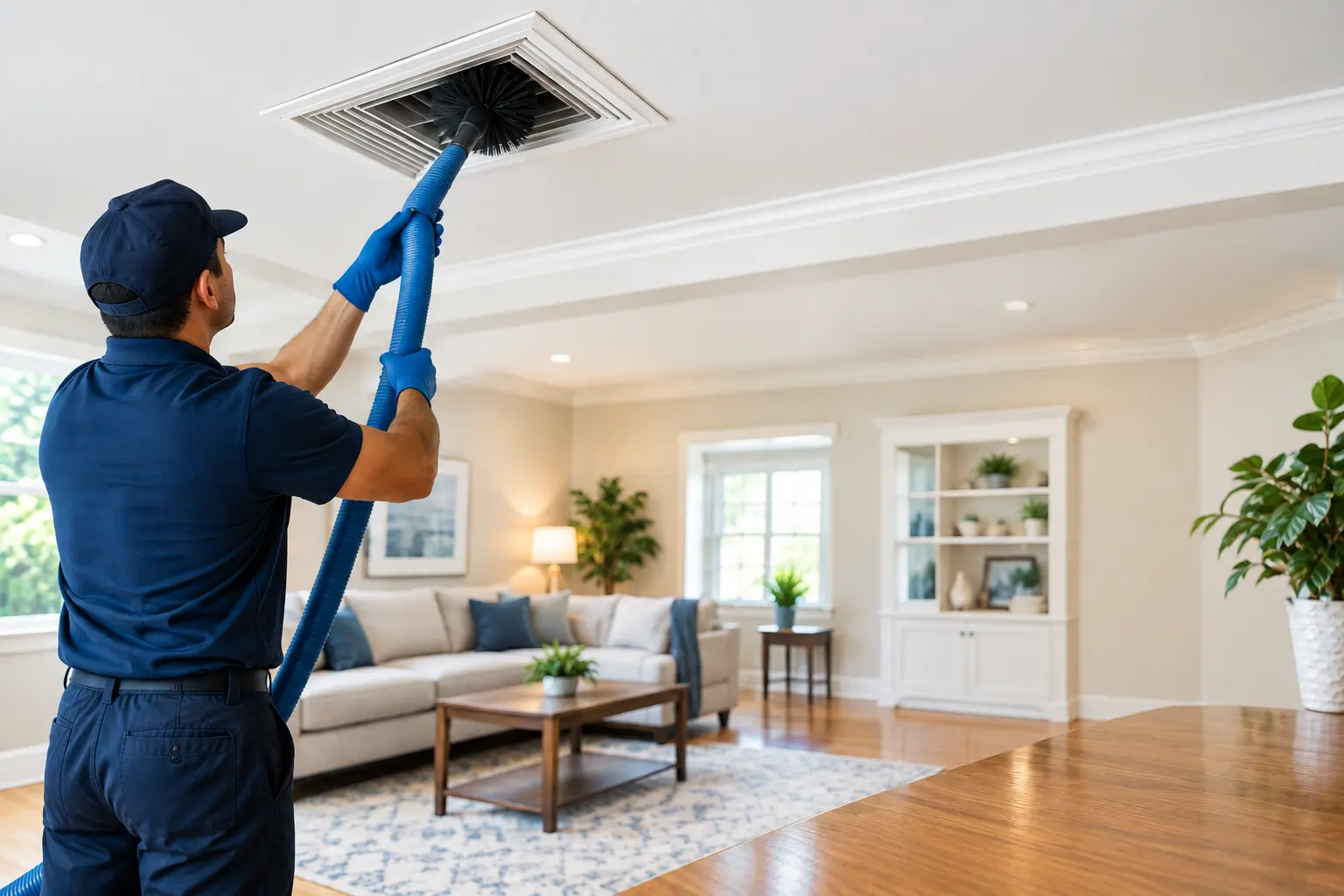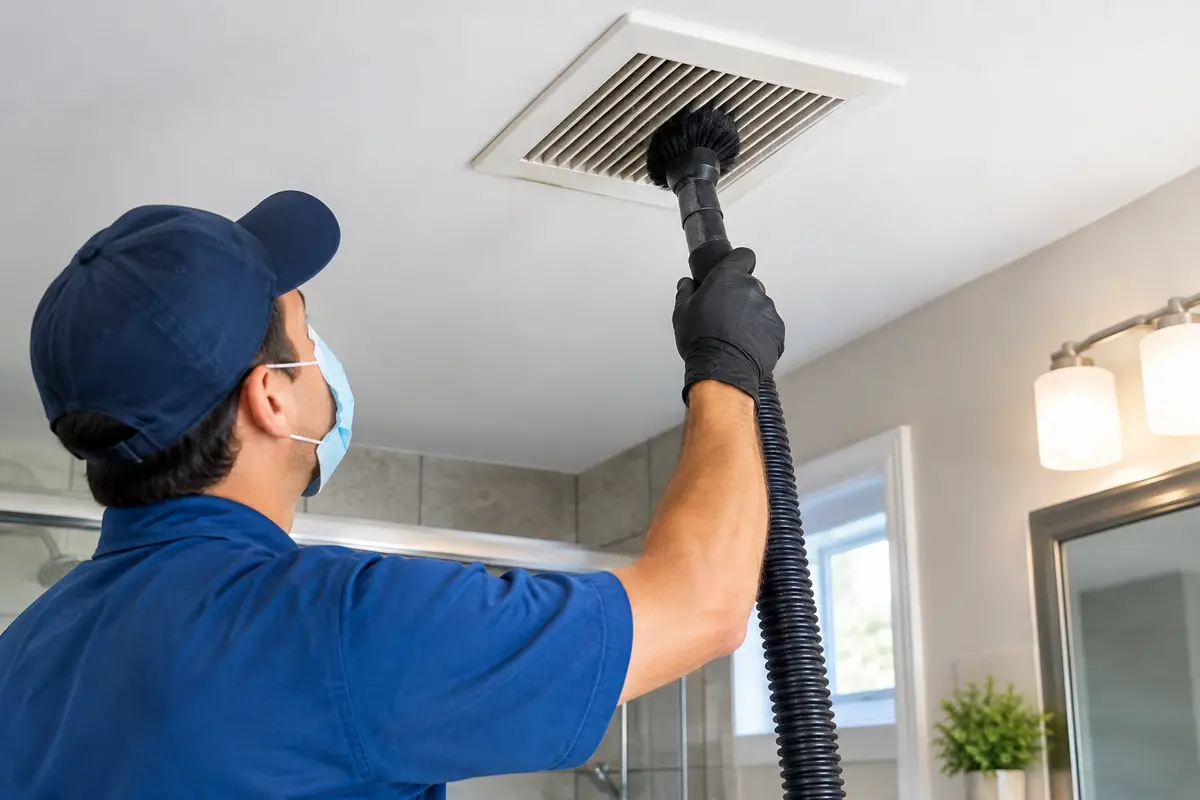
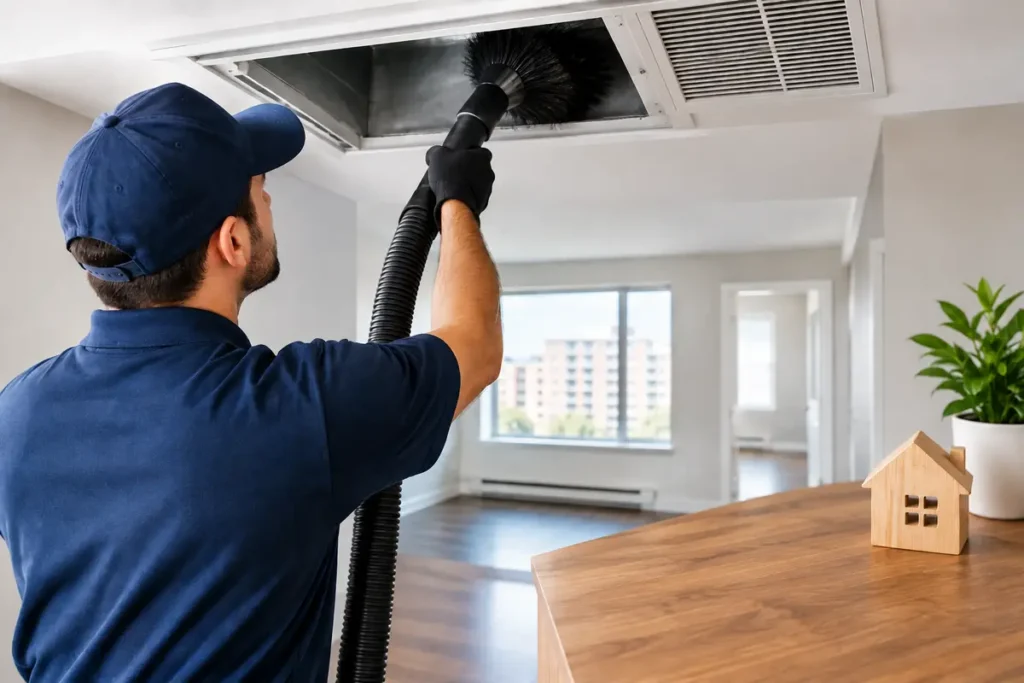
Air duct cleaning for landlords usually gets left off the turnover checklist entirely. Scuffed walls, worn carpet, and a leaky faucet all get caught during a walkthrough because they’re visible. A duct system that’s been circulating a previous tenant’s pet dander, smoke, or years of dust doesn’t announce itself the same way, and it becomes the new tenant’s problem on day one of the lease. Air Wolfe Air Duct Cleaning works with landlords and property managers across Needham and Greater Boston to build turnover routines that catch this before it becomes a complaint, a maintenance call, or worse, a liability issue.
Why Between-Tenants Duct and Vent Cleaning Matters
A vacant unit between leases is the easiest time to address the HVAC system, since there’s no tenant’s schedule to work around and no furniture blocking access to vents. Skipping it doesn’t just risk a musty smell or dusty vents greeting the new tenant; it means whatever built up during the previous tenancy, whether that’s pet dander, smoking residue, or years without a filter change, becomes something the incoming tenant is now breathing without ever knowing about it.
There’s also a practical business case. A unit that shows well, including clean vents and a fresh-smelling HVAC system, tends to lease faster and generates fewer early maintenance calls than one where the ductwork was simply overlooked during turnover prep.
Air Duct Checklist for Rental Turnovers
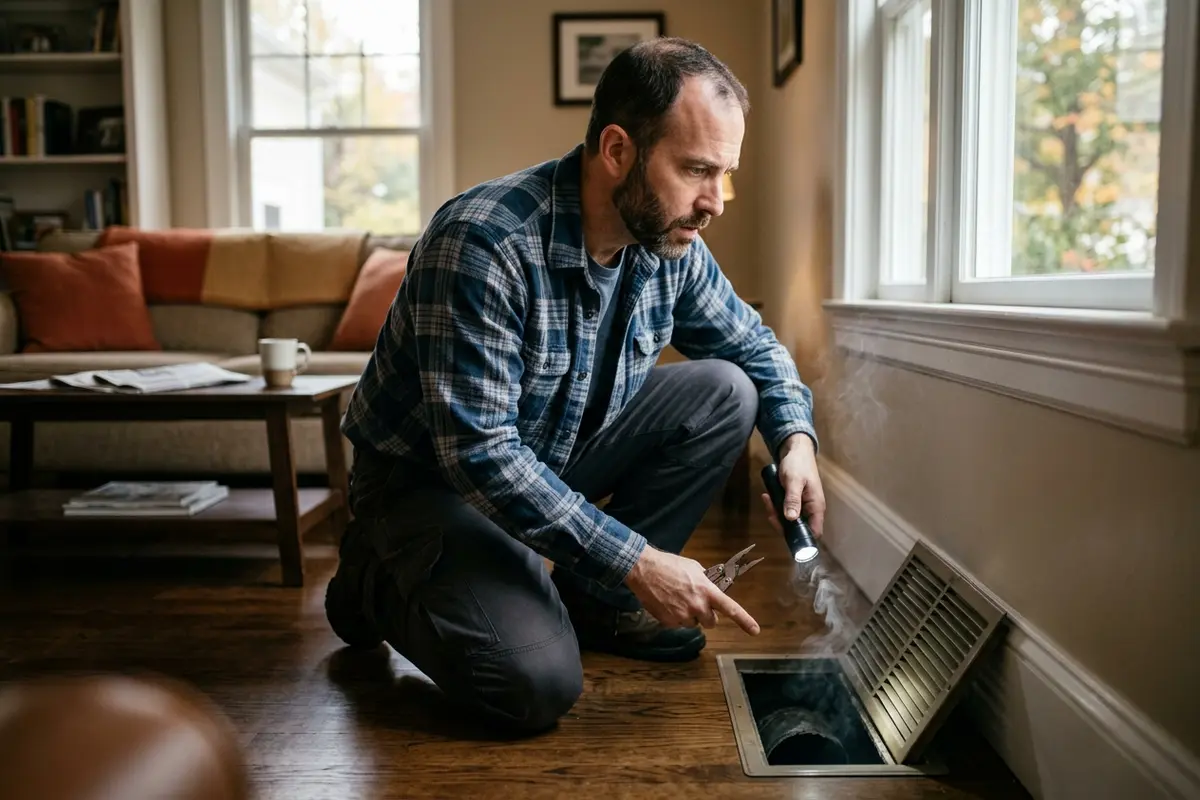
At minimum, a turnover inspection should cover:
- Visible dust or debris at vent covers and registers
- Signs of mould or moisture staining inside accessible ductwork
- Evidence of pest activity, particularly in units that sat vacant for any length of time
- Filter condition and replacement, especially if the previous tenant is unlikely to have kept up with it
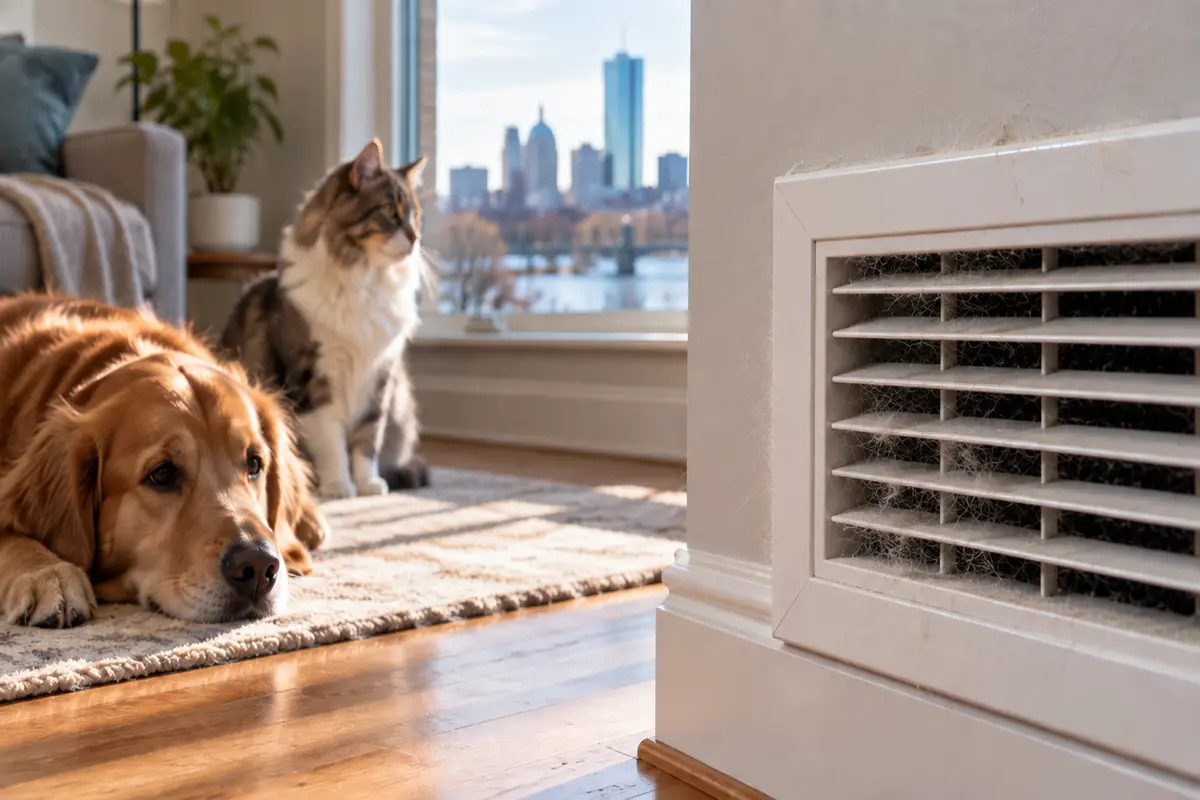
- Known history of pets or smoking in the unit, both of which accelerate buildup beyond normal residential use
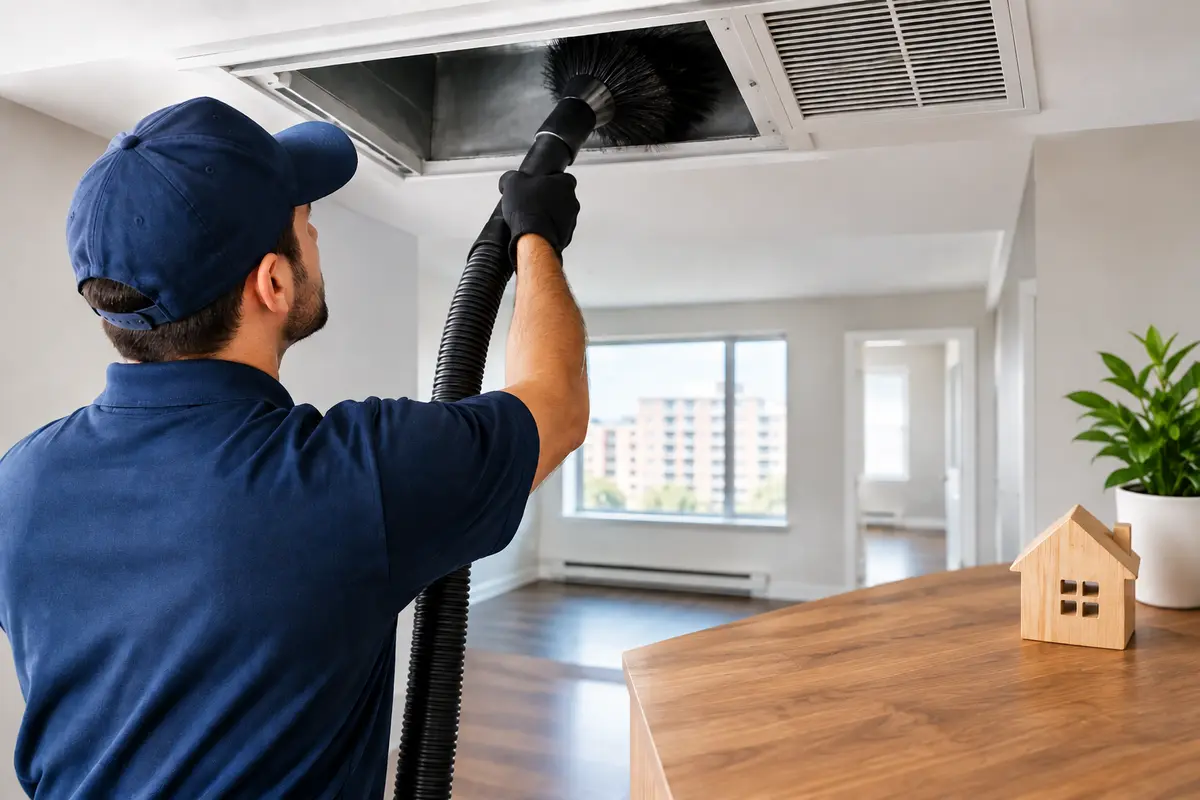
If more than one of these applies, professional air duct cleaning between leases is a more reliable option than a quick visual check that only catches what’s obviously wrong.
Dryer Vent Checklist for Rental Turnovers
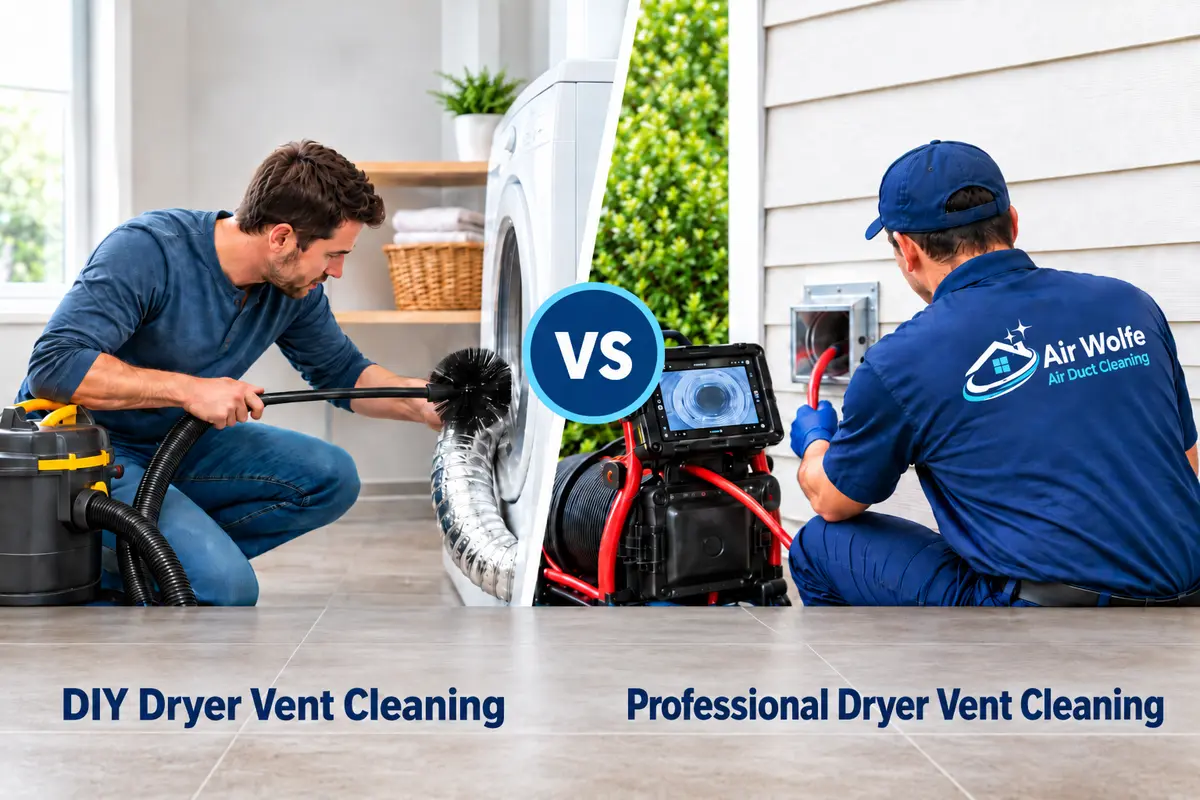
For units with an in-unit dryer, the vent deserves the same attention as the ductwork, and it’s frequently skipped entirely during turnover prep:
- How long the dryer took to dry a normal load during the previous tenancy, if that information is available from maintenance requests
- Lint visible at the exterior vent termination
- How long it’s been since the vent was last professionally cleaned, if that’s documented at all
- Whether the unit is part of a shared laundry system rather than an individual in-unit dryer, which changes both the risk and the maintenance approach
Lint buildup is a documented fire risk regardless of whether a unit is owner-occupied or a rental, and dryer vent cleaning at turnover is a reasonable standard practice rather than something to defer until a tenant complains about slow drying.
How Often Rental Properties Actually Need Professional Cleaning
Industry guidance from the National Air Duct Cleaners Association sets a general baseline of professional cleaning every three to five years for typical residential systems, with more frequent service warranted for households with pets, smokers, or recent renovation activity. Rental properties complicate that baseline because turnover itself is a variable — a unit with tenants every one to two years accumulates a mix of different households’ habits far faster than an owner-occupied home with the same system age. Treating each turnover as a checkpoint, rather than relying on a fixed calendar interval, gives a more accurate picture of whether cleaning is actually due.
Documenting Service for Liability Protection
Keeping a simple record of when duct and dryer vent service happened, what was found, and what was done protects a landlord in more ways than one. If a tenant later raises a health or air-quality concern, a documented service history shows reasonable maintenance rather than leaving the property owner with no record to point to. It also simplifies scheduling across a portfolio, since a landlord managing multiple units can see at a glance which properties need attention rather than relying on memory or guesswork.
Who’s Responsible: Landlord or Tenant?
Most leases don’t specifically mention duct cleaning, and legal responsibility varies by state and by the terms of the individual lease. What’s more consistent is that HVAC systems generally fall under a landlord’s broader habitability obligations, even when the exact wording doesn’t mention air ducts by name. Because requirements differ by municipality and lease language, review your specific lease and, if anything is unclear, confirm with a local attorney familiar with landlord-tenant law rather than relying on a general rule.
Turnover Maintenance for Needham and Greater Boston Rental Properties
Massachusetts fire code, adopted through 527 CMR 1.00 and based on NFPA 1, places maintenance responsibility for dryer exhaust systems on the property owner, which makes dryer vent cleaning at turnover a compliance matter as much as a tenant-experience one for landlords in Needham and the surrounding towns. Older multi-family properties throughout Greater Boston, including converted triple-deckers with shared or centralised laundry, tend to need more frequent attention than a single-family rental with one dryer serving one household.
The NADCA guidance on residential cleaning frequency is a useful reference point for landlords setting a baseline schedule across a portfolio with varying tenant histories.
Set Up a Turnover Duct and Vent Cleaning Plan
Coordinating inspections around move-out dates gets easier with a set schedule rather than deciding unit by unit each time a lease ends. Air Wolfe works with landlords managing everything from a single rental to a full portfolio to build a maintenance plan suited to multi-unit properties, with service timed around your actual turnover calendar. Reach out to discuss what a recurring plan would look like for your properties.
Frequently Asked Questions
- Is air duct cleaning required by law between tenants?
It depends on your state and lease terms, and most jurisdictions rarely spell it out by name. HVAC maintenance generally falls under broader habitability requirements, so review your specific lease and local landlord-tenant law rather than assuming either way. - How much does turnover duct cleaning typically cost per unit?
Cost depends on unit size, ductwork condition, and how long it’s been since the last cleaning. A landlord managing multiple units can usually get a more predictable per-unit rate by setting up a recurring turnover schedule rather than booking each cleaning as a one-off request. - Should I clean the ducts even if the previous tenant didn’t have any complaints?
Yes, especially if there’s no record of when the system was last cleaned. A lack of complaints doesn’t mean the ductwork is clean, and a fresh start between leases is the easiest time to address it before a new tenant’s belongings and schedule are in the way. - Do I need to clean air ducts and dryer vents separately?
Yes. They’re different systems with different buildup and fire-risk profiles, and duct cleaning doesn’t cover the dryer vent, and vice versa. Rental units with an in-unit dryer need both addressed at turnover. - How do I set up a recurring cleaning schedule across multiple rental properties?
Start by mapping out unit count, tenant turnover frequency, and which units have pets, smokers, or heavy dryer use, then build a schedule around your actual lease-turnover calendar rather than a single fixed date for the whole portfolio. A provider familiar with multi-unit scheduling can help structure this so it doesn’t become an administrative burden.