Dust around air vents is a common problem in many homes. You may notice dark marks around ceiling registers, dust collecting on floor vents, or dirty buildup along the edges of return air grilles. These areas can make an otherwise clean room look neglected. Fortunately, learning how to clean dust around air vents can help you maintain a cleaner indoor environment and keep your HVAC system looking its best.
Regular vent cleaning does not require expensive equipment or complicated procedures. With a microfiber cloth, a vacuum cleaner, and a few basic supplies, you can remove loose dust and surface buildup from most accessible air vents. However, persistent dust accumulation may indicate that your air ducts need additional attention.
Why Does Dust Collect Around Air Vents?
Dust naturally accumulates around air vents because your heating and cooling system continuously moves air throughout your home. As air travels through the ductwork, it carries small particles that may settle on nearby surfaces. Several factors can contribute to visible dust around HVAC registers.
1. Dirty Air Filters
Your HVAC air filter captures airborne particles before they circulate through the system. When the filter becomes clogged or is not replaced regularly, it may allow more dust to circulate or restrict proper airflow. Check your filter according to the manufacturer’s recommended replacement schedule. Homes with pets, frequent occupancy, or higher dust levels may require more frequent filter changes.
2. Dust Inside Air Ducts
Dust, pet hair, and other debris can accumulate inside ductwork over time. When the HVAC system operates, airflow may contribute to dust collecting around vent openings. If you repeatedly notice heavy dust around multiple registers, consider having your ductwork inspected. Professional air duct cleaning services can help address accumulated debris inside accessible duct systems.
3. Poor Ventilation and Air Circulation
Furniture, curtains, and household items can block supply or return vents. Restricted airflow may contribute to uneven dust accumulation and make some areas harder to clean. Keep furniture and other obstructions away from air registers to support proper circulation.
4. Household Dust and Pet Hair
Everyday activities produce dust, including walking across carpets, cooking, cleaning, and moving furniture. Pet hair and dander can also contribute to buildup around frequently used vents. Regular housekeeping helps reduce the amount of debris that settles near your HVAC openings.
How to Clean Dust Around Air Vents Step by Step
Cleaning dusty air vents is relatively simple when you follow the correct process. Before starting, gather a few basic supplies and make sure the area is safe to access.
Step 1: Turn Off Your HVAC System
Switch off your heating or cooling system before cleaning. This prevents the system from circulating loose dust while you work. It also makes it easier to remove debris without having airflow push particles back into the room.
Step 2: Remove Loose Dust With a Vacuum
Use a vacuum cleaner with a soft brush attachment to remove visible dust around the vent cover.
Pay attention to:
- The edges of the vent frame
- The surrounding ceiling or wall
- Floor areas around the register
- Accessible grille openings
Avoid pushing the vacuum attachment deep into the ductwork. Homeowners should clean accessible surfaces rather than attempt to reach internal components.
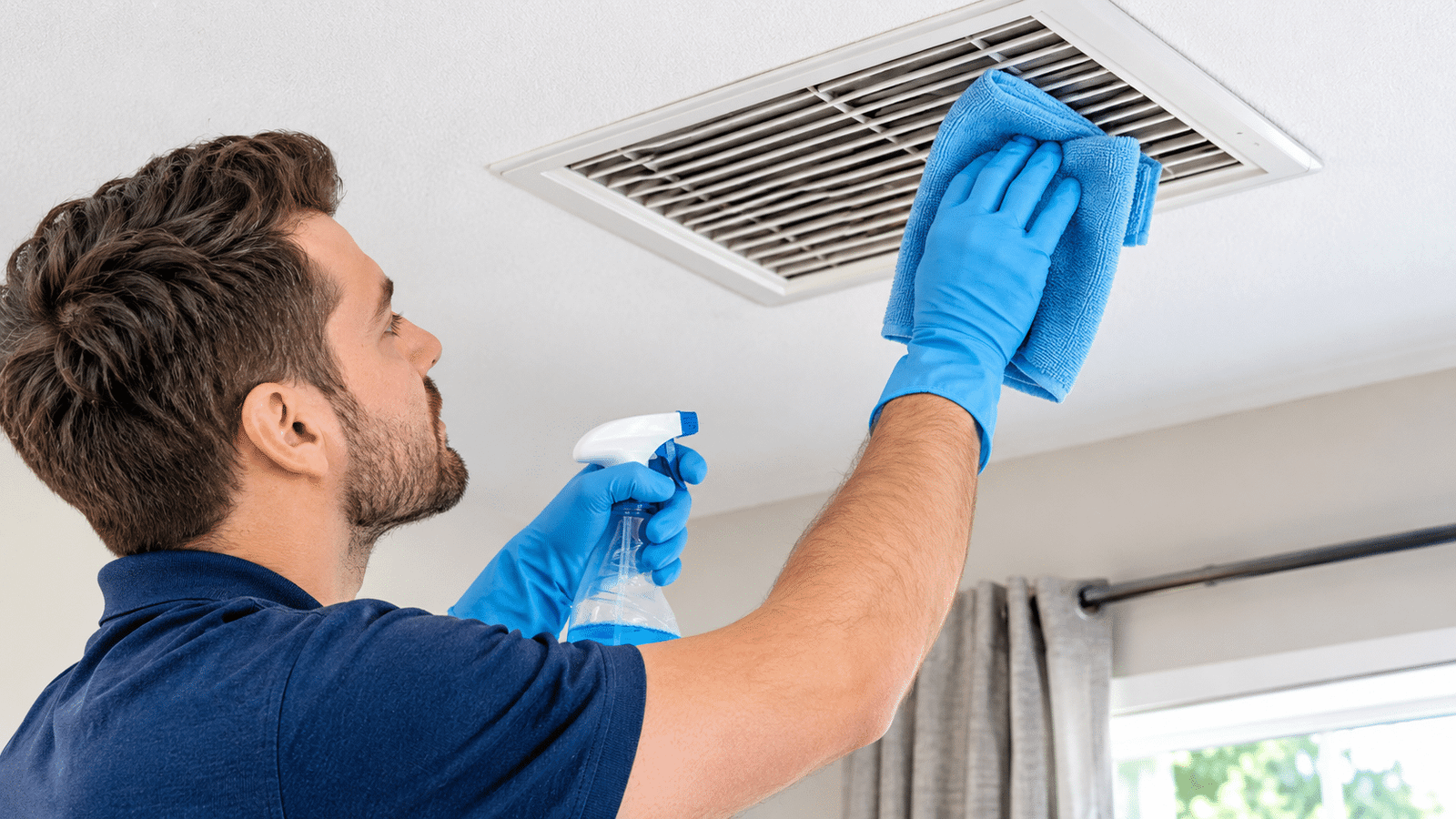
Step 3: Wipe the Vent Cover With a Microfiber Cloth
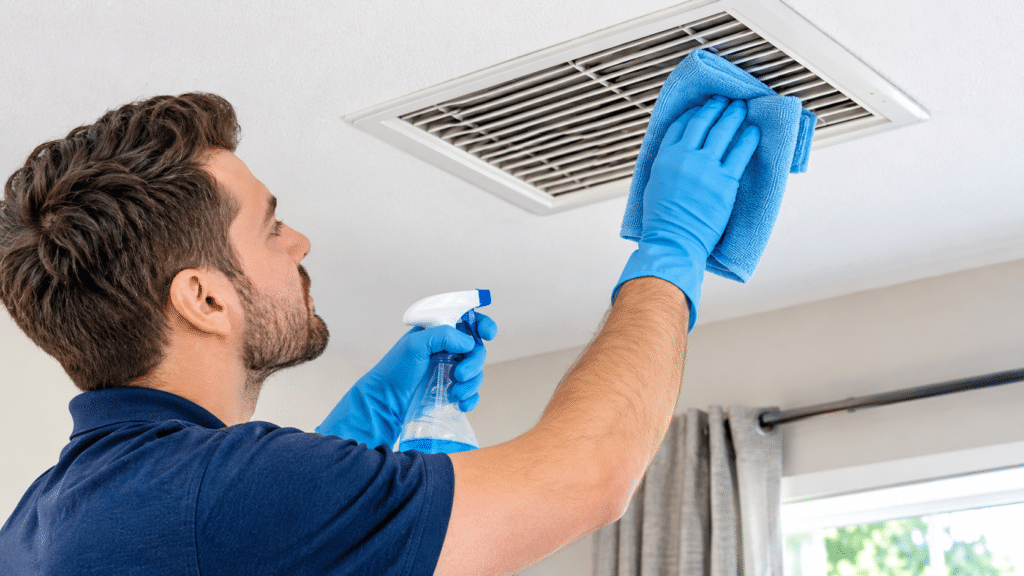
A dry microfiber cloth works well for removing loose dust from most vent covers. Gently wipe the grille, frame, and surrounding surfaces. Microfiber material helps capture dust rather than simply moving it from one place to another. For stubborn buildup, lightly dampen the cloth with water. Avoid soaking the vent or allowing moisture to enter the duct opening.
Step 4: Remove and Clean Detachable Vent Covers
If the vent cover is designed to be removable, carefully unscrew it and set the hardware aside.
For washable metal or plastic grilles:
- Vacuum both sides to remove loose debris.
- Wash with warm water and mild dish soap.
- Use a soft brush to remove stubborn dirt.
- Rinse thoroughly.
- Allow the grille to dry completely before reinstalling it.
Do not wash electrical components, motorized registers, or specialized electronic vent covers. Follow the manufacturer’s cleaning instructions.
Step 5: Clean Dust Around the Vent Opening
After removing a detachable grille, inspect the accessible opening. Use a vacuum hose or soft brush to remove loose dust from the immediate opening. Do not push tools deep into the duct or disturb internal insulation, wiring, or other components. If you see extensive debris, damaged duct lining, or signs of moisture, consider arranging a professional inspection.
Step 6: Reinstall the Vent Cover
Once everything is completely dry, reinstall the grille and tighten its screws securely. Make sure the vent sits evenly against the ceiling, wall, or floor. A properly fitted cover helps maintain the intended airflow and prevents unnecessary gaps. Finally, turn your HVAC system back on and check that air can move freely through the register.
How to Remove Stubborn Dust and Black Marks Around Air Vents
Sometimes, ordinary dusting does not remove dark discoloration around ceiling or wall vents. These marks may develop from several sources, including airborne particles, moisture, or differences in temperature around the register. Here are a few ways to address visible buildup.
Use a Mild Cleaning Solution
For washable vent covers, use warm water with a small amount of mild dish soap. Apply the solution with a microfiber cloth and gently clean the affected area. Test cleaning solutions on an inconspicuous area first, especially when working with painted surfaces.
Avoid Harsh Chemicals
Strong chemical cleaners, abrasive pads, and excessive scrubbing can damage painted walls, decorative finishes, and vent coatings. Choose gentle cleaning methods and avoid spraying liquid directly into the duct opening.
Investigate Recurring Black Marks
If dark marks repeatedly return around the same vent, ordinary cleaning may not solve the underlying problem.
Possible causes include:
- Airborne dust collecting around the register
- Air leakage around the vent frame
- Moisture or condensation
- Soot or other airborne particles
- Mold or suspected microbial growth
Do not automatically assume that black marks are mold. If you notice a musty smell, visible growth, or recurring moisture, investigate the source before cleaning further. Significant suspected mold growth may require a qualified professional.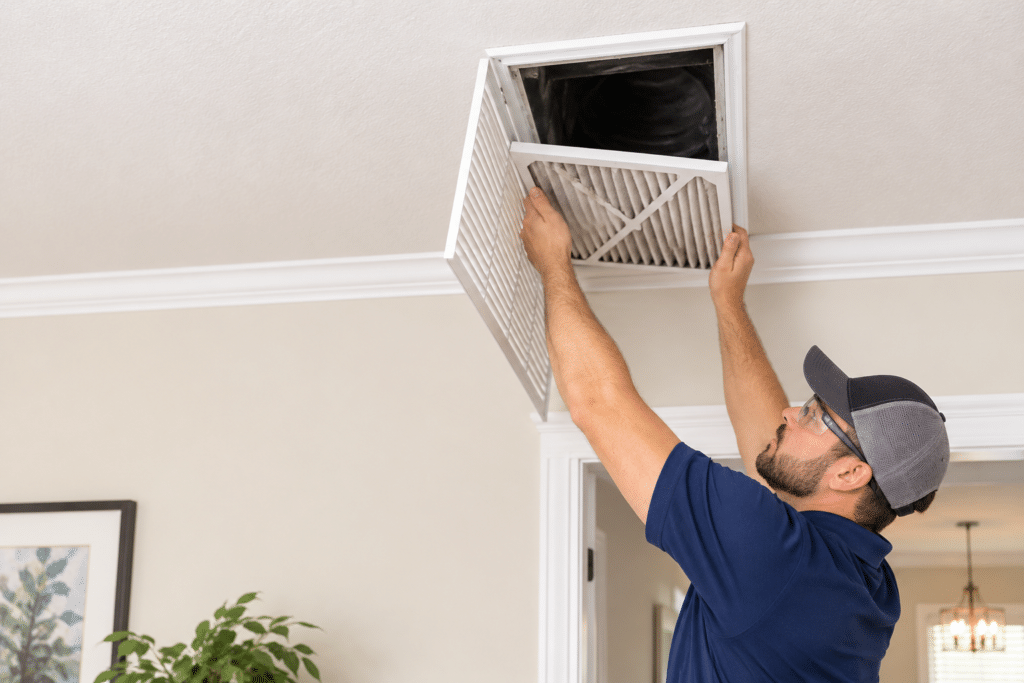
How to Prevent Dust From Building Up Around Air Vent
Cleaning your air vents is only part of maintaining a cleaner HVAC system. A few simple habits can help reduce future dust accumulation.
Replace HVAC Air Filters Regularly
Check your HVAC filter every month and replace it as recommended by the manufacturer. The correct replacement frequency depends on the filter type, household conditions, and system requirements. Avoid installing a filter with a higher MERV rating than your HVAC system supports.
Vacuum and Dust Your Home Frequently
Dust from carpets, furniture, curtains, and other household surfaces can settle around air vents over time. Use a vacuum cleaner with a suitable filtration system and regularly wipe nearby surfaces with a microfiber cloth.
Keep Air Vents Unobstructed
Do not place furniture, rugs, or storage containers directly over supply and return registers. Keeping vents clear supports airflow and makes routine cleaning easier.
Schedule HVAC System Maintenance
Regular HVAC maintenance helps identify dirty filters, airflow restrictions, and other issues that may affect system performance. If you haven’t had your ductwork inspected in several years or notice recurring dust problems, consider discussing an inspection with an experienced air duct cleaning professional.
Maintain Dryer Vent Cleanliness
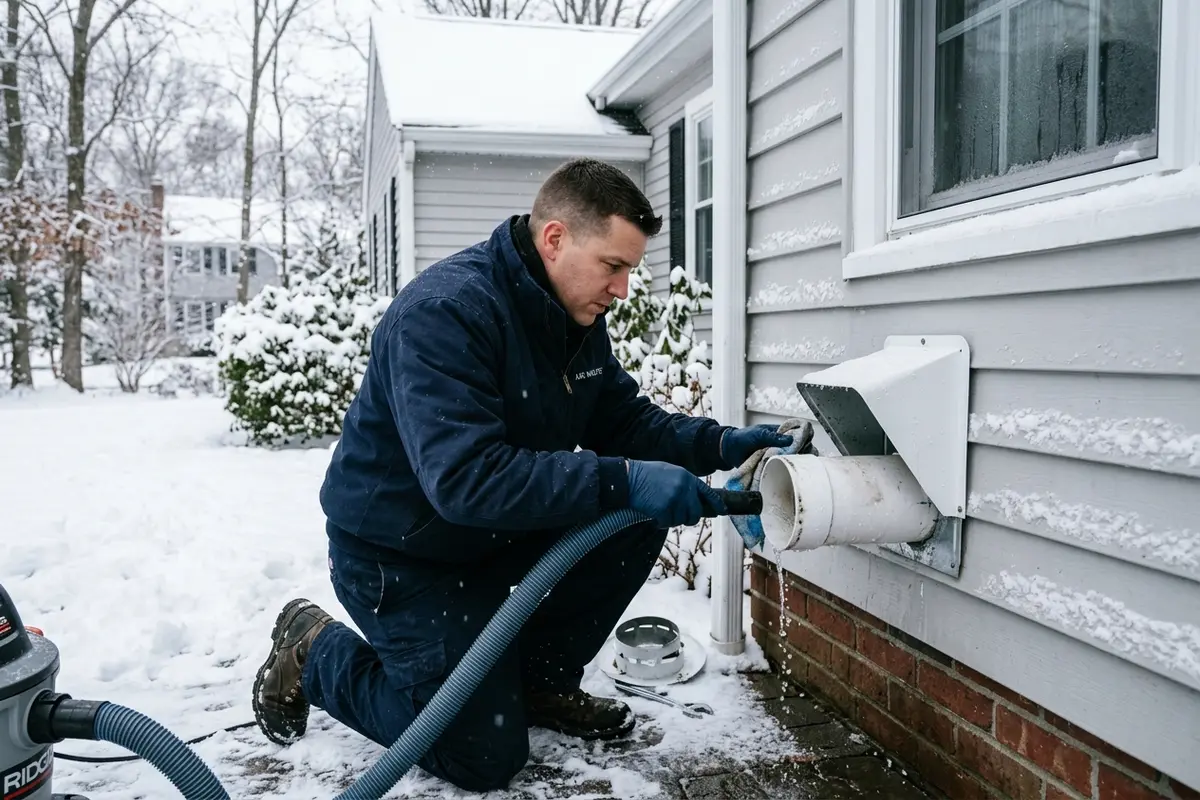
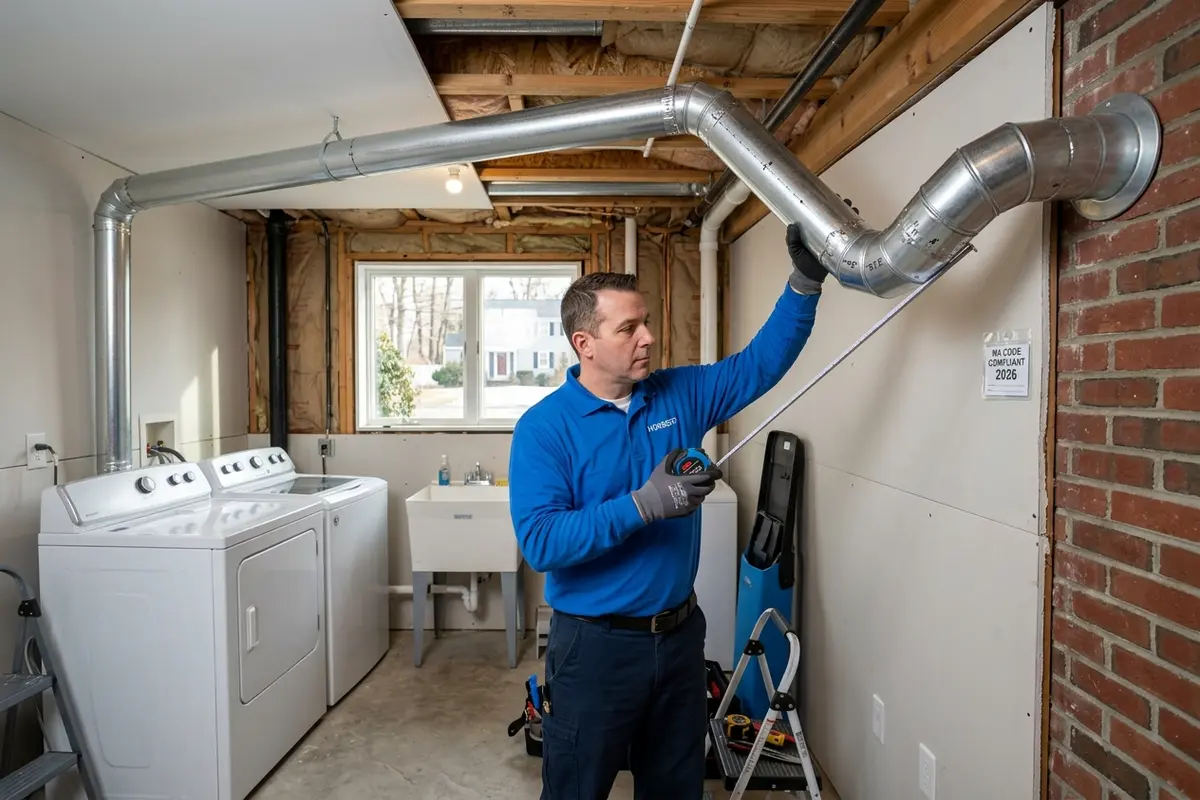
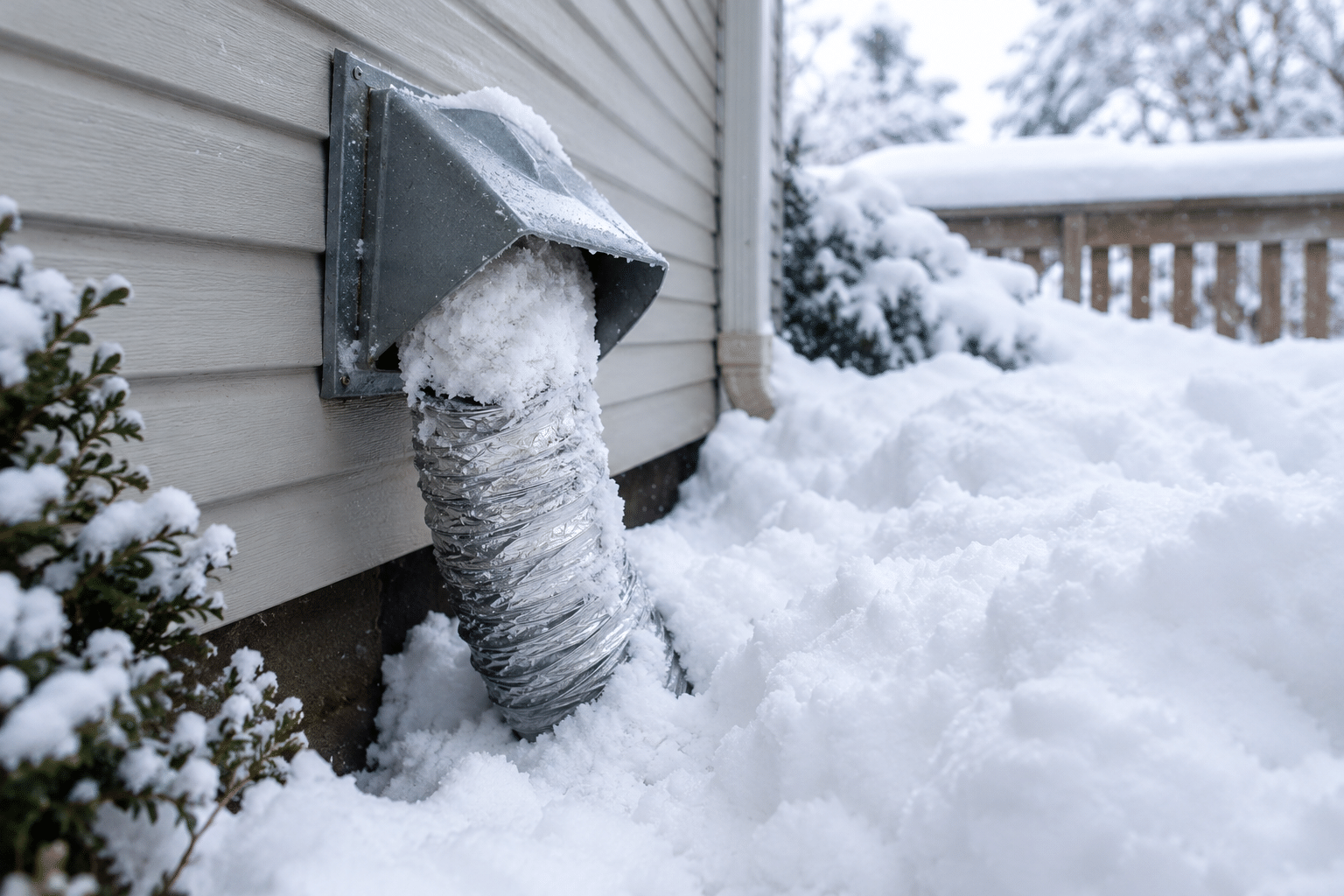
Your home’s dryer vent is separate from its heating and cooling ductwork, but it also requires regular maintenance. Lint accumulation can restrict airflow and increase fire risks. Professional dryer vent cleaning helps remove accumulated lint and supports safer dryer operation.
When Should You Consider Professional Air Duct Cleaning?
Cleaning visible dust around air vents is something most homeowners can handle themselves. However, surface cleaning does not remove debris throughout the entire duct system.
Professional air duct cleaning may be worth considering when you notice:
- Visible dust or debris accumulating inside accessible ductwork.
- Persistent dust buildup around several registers despite regular cleaning.
- Evidence of rodents or insects inside the duct system.
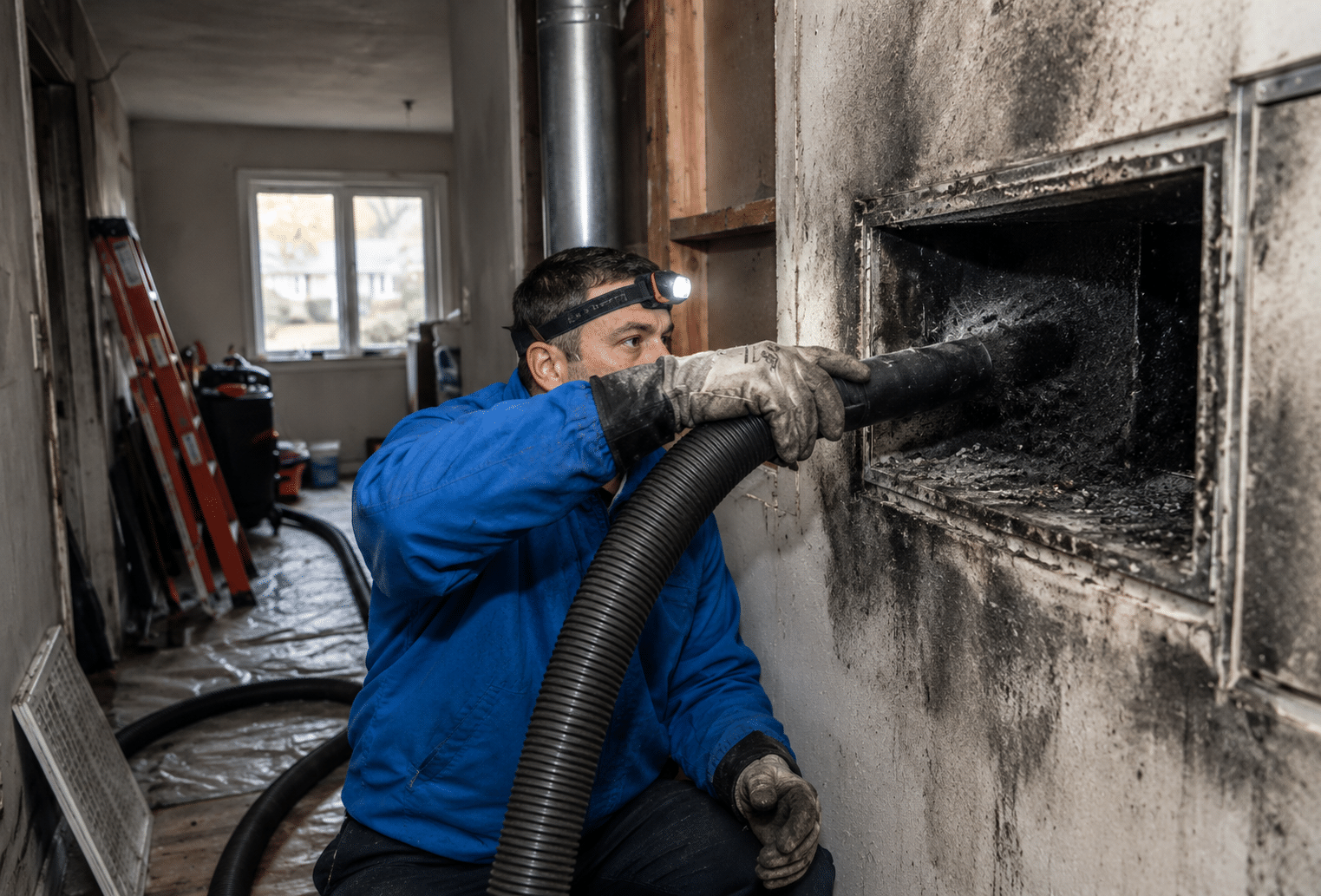
- Significant debris released from supply registers.
- Dust or construction debris remaining after a renovation.
- Suspected mold growth or moisture problems requiring further investigation.
Professional cleaning involves inspecting the HVAC system and using appropriate equipment to remove accumulated debris from accessible duct components.
If you are preparing for a professional service appointment, read this helpful guide on how to prepare for air duct cleaning in Boston, MA.
Should You Clean Air Ducts Before Installing a New Furnace?
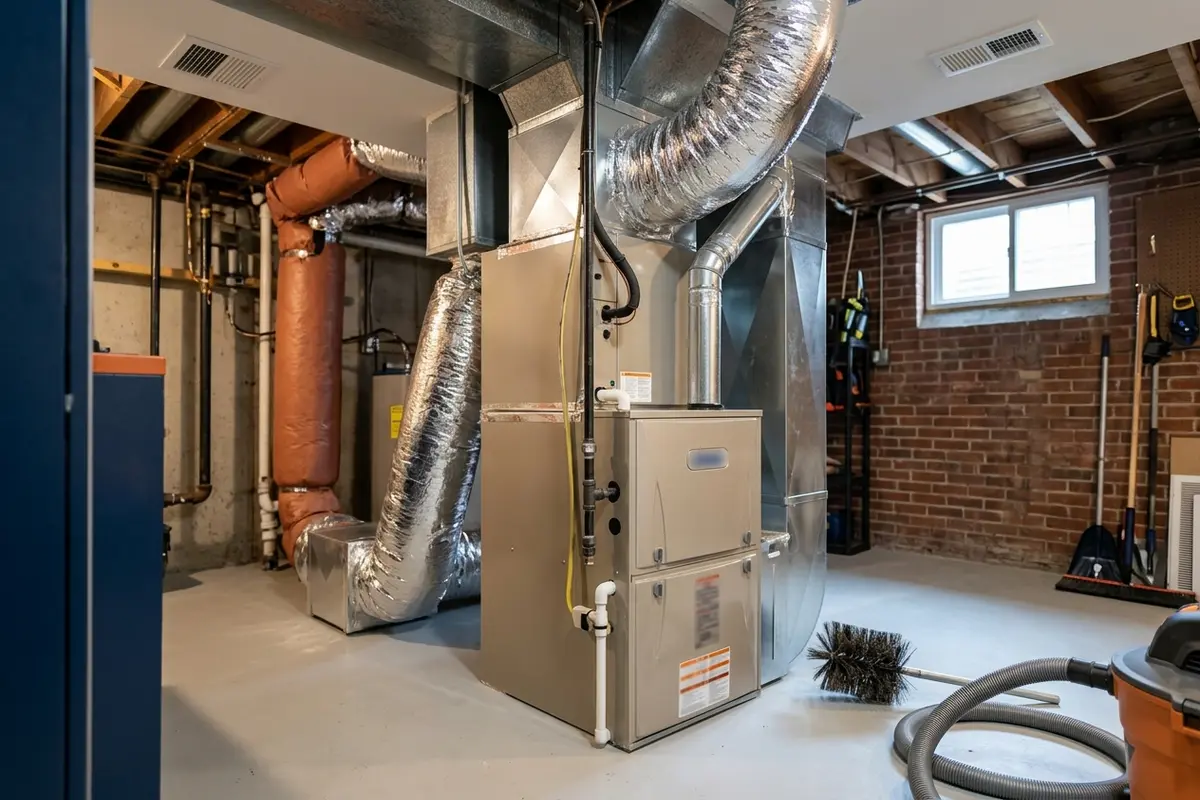
Installing a new furnace is an important opportunity to evaluate the condition of your existing ductwork. Over time, ducts may collect dust, construction debris, and other contaminants. If the old system experienced a significant buildup or the ductwork contains visible debris, an inspection may help determine whether cleaning is appropriate before connecting the new equipment.
However, duct cleaning is not automatically necessary with every furnace replacement. The decision should depend on the actual condition of the ductwork. Read more about duct cleaning before installing a new furnace to understand when this additional service may be beneficial.
How Often Should You Clean Dust Around Air Vents?
For most households, wiping visible dust from vent covers every few weeks is a practical starting point. Homes with pets, children, or higher dust levels may benefit from more frequent cleaning. Here is a simple maintenance schedule:
| Cleaning task | Suggested frequency |
|---|---|
| Dust vent covers | Every 2–4 weeks |
| Vacuum around registers | Weekly or as needed |
| Inspect HVAC filters | Monthly |
| Replace HVAC filters | According to manufacturer guidance |
| Clean washable vent covers | Every 1–3 months or as needed |
| Schedule HVAC maintenance | According to system recommendations |
These are general household guidelines rather than strict requirements. Adjust your cleaning routine based on indoor conditions and the manufacturer’s instructions.
Common Mistakes to Avoid When Cleaning Air Vents
Even simple cleaning tasks can cause problems when performed incorrectly. Avoid these common mistakes:
1. Cleaning vents while the HVAC system is running: Moving air can spread loose dust throughout the room. Turn the system off before cleaning.
2. Spraying water directly into the vent: Excess moisture inside ductwork can contribute to material damage and moisture problems. Use a lightly dampened cloth on accessible surfaces instead.
3. Pushing cleaning tools deep inside ducts: Long brushes and other objects may damage duct insulation or dislodge debris into inaccessible areas.
4. Ignoring dirty air filters: Cleaning vent covers without checking the HVAC filter may allow the same dust problem to continue.
5. Assuming all black marks are mold: Discoloration can have several causes. Investigate recurring marks and moisture rather than making assumptions.
6. Blocking air registers after cleaning: Keep vents unobstructed to maintain proper airflow throughout your home.
Conclusion
Learning how to clean dust around air vents can help you maintain a cleaner-looking home and reduce visible dust accumulation around your HVAC registers. Regular vacuuming, microfiber dusting, gentle cleaning of removable vent covers, and timely air filter replacement are simple ways to keep these areas in good condition.
However, recurring dust buildup, visible debris inside ductwork, and persistent moisture problems may require more than routine household cleaning. In these situations, a professional inspection can help identify the underlying issue and determine whether air duct cleaning is necessary.
Air Wolfe Air Duct Cleaning helps homeowners maintain cleaner HVAC systems with professional air duct and dryer vent cleaning services. If you are noticing persistent dust around your vents or want to learn more about available services, contact Air Wolfe Air Duct Cleaning to discuss your needs.
Frequently Asked Questions
1. What is the easiest way to clean dust around air vents?
Turn off your HVAC system, use a vacuum with a soft brush attachment to remove loose dust, and wipe the vent cover with a microfiber cloth. If the grille is removable and washable, clean it with mild soap and water before reinstalling it completely dry.
2. Why does dust keep collecting around my air vents?
Dust may continue collecting because of dirty air filters, household dust, pet hair, restricted airflow, or debris inside the ductwork. If the problem repeatedly occurs around several vents, consider having your HVAC system inspected.
3. Can I use a vacuum cleaner to clean inside air vents?
Yes, you can use a vacuum hose or soft brush attachment to remove loose debris from the immediate accessible opening. Avoid pushing the attachment deep into the ductwork, where it could damage internal materials.
4. How do I remove black dust around ceiling air vents?
Start by gently vacuuming the affected area and wiping washable surfaces with a microfiber cloth. If black marks repeatedly return or appear alongside moisture or a musty odor, investigate the underlying cause. Do not assume the discoloration is mold without proper assessment.
5. Does cleaning air vents improve indoor air quality?
Cleaning visible dust from vent covers helps remove surface debris, but it does not necessarily improve overall indoor air quality. Proper filtration, source control, adequate ventilation, and addressing moisture problems are also important.