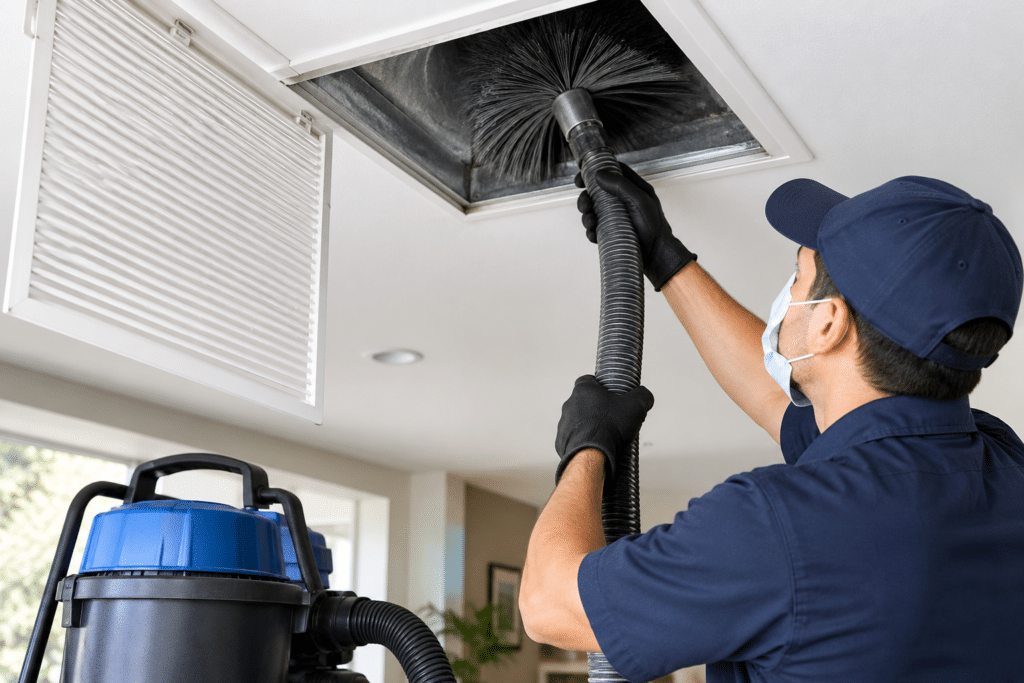
Preparing for air duct cleaning in Boston, MA involves clearing access to vents, making your heating and cooling equipment accessible, and planning for pets and equipment noise. Before your air duct cleaning appointment, confirm the service scope and discuss any building-access requirements with your contractor. A little preparation helps technicians reach the agreed work areas and protects belongings along the equipment route. You do not need to remove vent covers, open equipment panels, or clean inside the ducts yourself. Whether you live in an apartment, condominium, brownstone, or single-family home, use this checklist to get ready.
What to Confirm Before Your Air Duct Cleaning Appointment
Review your estimate before cleaning day. It should explain which systems and components are included, along with any services priced separately.
Ask the contractor:
- Which supply and return ducts will be cleaned?
- Are registers, grilles, and equipment components included?
- Does the quote cover every system in the property?
- How will inaccessible areas be handled?
- Is filter replacement included?
- How will additional findings and charges be approved?
Mention recent renovations, persistent odors, moisture staining, or suspected pest activity. These conditions may require an air duct inspection or specialist attention before routine cleaning begins.
Step 1: Arrange Property Access and Parking
Technicians need a practical route from their vehicle to your home and equipment. Explain your entrance location, floor level, stairs, and elevator availability when confirming the appointment.
Check Boston Apartment and Condo Requirements
If you live in a managed building, contact your landlord, property manager, or condominium association before scheduling work. Ask whether you need to arrange access to shared mechanical rooms, reserve an elevator, provide contractor documentation, or follow specific working hours. Also confirm whether your ductwork serves only your unit or connects to shared equipment. This helps establish who can authorize the work.
Discuss Equipment Loading and Parking
Tell the contractor whether your property has a driveway, private parking, or street-only access. Ask what space the service vehicle and equipment require. Portable and truck-mounted equipment have different setup needs. Agree on a lawful parking and loading arrangement rather than assuming the team can stop directly outside your entrance.
Step 2: Clear Supply Registers and Return Grilles
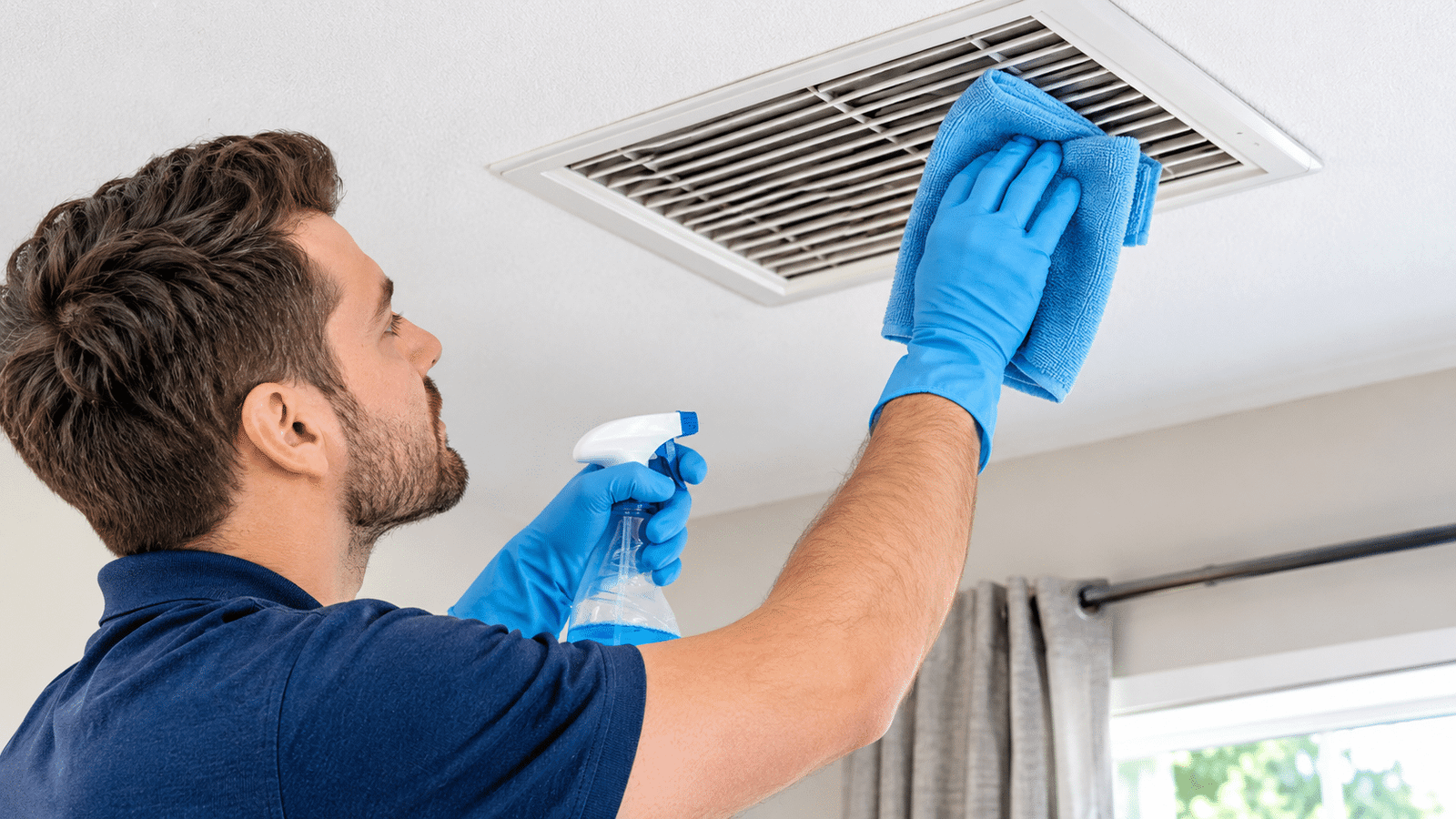
Walk through each room and identify accessible floor, wall, and ceiling vents. Move lightweight objects that block them.Look for rugs over floor registers, furniture against wall returns, and curtains covering grilles. Clear nearby baskets, toys, shoes, and decorations. Ask the contractor how much working space is needed. The appropriate clearance depends on the vent location and cleaning method.
Plan Around Heavy Furniture
Avoid moving large beds, cabinets, or sofas without suitable help. Tell the company about obstructed vents beforehand and agree on how access will be handled. An obstructed grille may affect airflow, but it does not prove that the internal ductwork needs cleaning. Our guide to signs your air ducts may need professional cleaning explains concerns worth discussing.
Leave Vent Covers Installed
Unless instructed otherwise, leave registers and grilles attached. Point out damaged trim, loose covers, painted fasteners, and difficult-to-reach ceiling vents during the walkthrough.
Step 3: Make Heating and Cooling Equipment Accessible
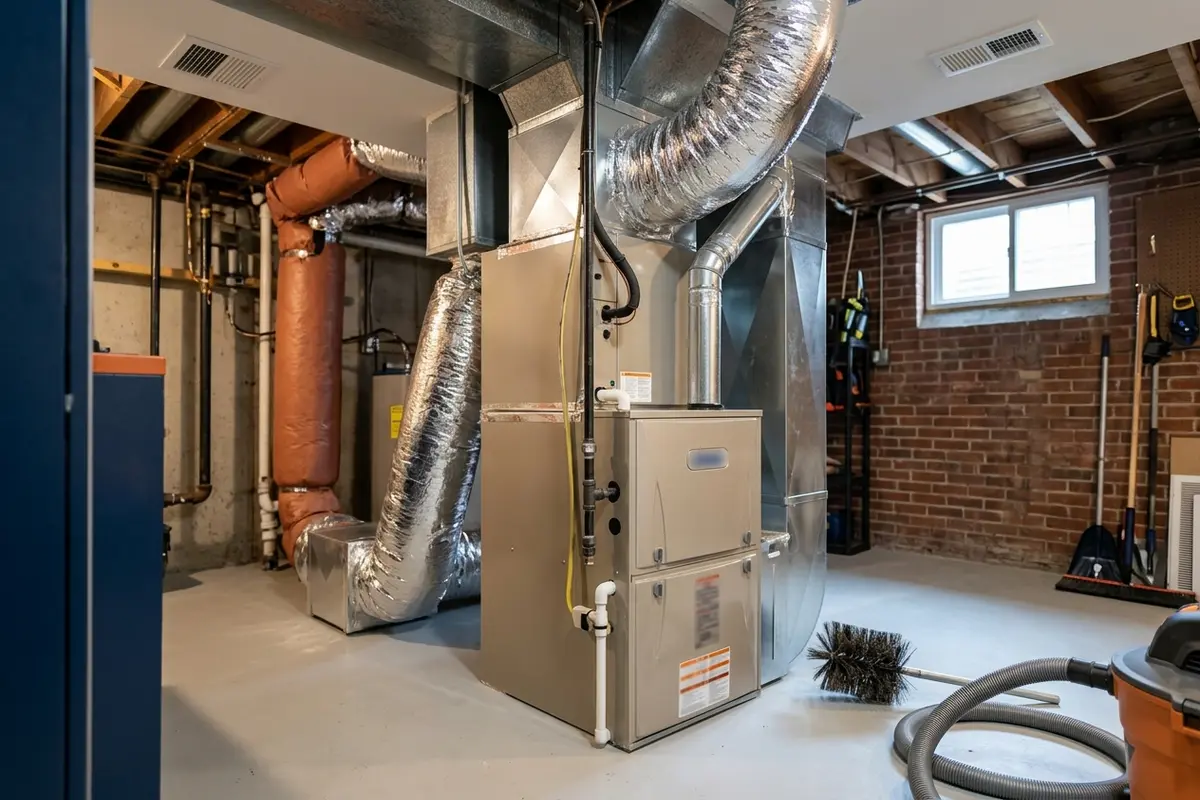
Clear the route to your furnace or air handler. Equipment may be located in a basement, utility closet, attic, or shared mechanical room. Move stored boxes, laundry, cleaning supplies, and other loose items away from the immediate work area. Keep stairs and doorways clear, and make sure available lighting works. Leave equipment panels, wiring, gas connections, and duct sections untouched. Your preparation should improve access without altering the system. If your property has multiple systems, identify each one and explain which rooms or floors it serves, if you know. Arrange access to locked spaces before the appointment.
Step 4: Protect Belongings and Clear Walkways
Move fragile decorations, framed photographs, lamps, and portable electronics away from the work areas and equipment route. Clear cables, shoes, and loose clutter from hallways and stairs. Discuss protection for flooring, corners, and furnishings before equipment is brought inside. Mention delicate finishes or recently painted surfaces during the walkthrough. You do not need to deep-clean the property beforehand; focus on the spaces technicians must use.
Step 5: Secure Pets and Keep Children Away From Work Areas
Unfamiliar visitors, equipment noise, and movement between rooms can unsettle pets. Arrange a secure location away from active work areas. If that room contains a vent included in the service, agree on when the pet will be moved so technicians can reach it. Discuss door management before setup begins. Keep children away from hoses, cables, tools, and open registers. Depending on your household, spending part of the appointment elsewhere may be more comfortable.
Step 6: Plan Your Day Around the Appointment
Request a timing estimate based on your property’s systems, access, and cleaning scope. A larger or more complicated layout may require additional time. Our guide to how long air duct cleaning takes explains factors that affect the schedule. Equipment can be noisy, so avoid arranging important calls, recordings, or meetings beside the work areas. Clear access may reduce interruptions, but it does not guarantee a particular completion time or lower price.
Confirm Whether You Need to Stay Home
Ask about the company’s attendance policy. Someone may need to be available for the initial walkthrough, questions during the work, and the final review. If you plan to leave, confirm communication, approval of additional work, and property-security arrangements in advance.
What to Discuss During the Initial Walkthrough
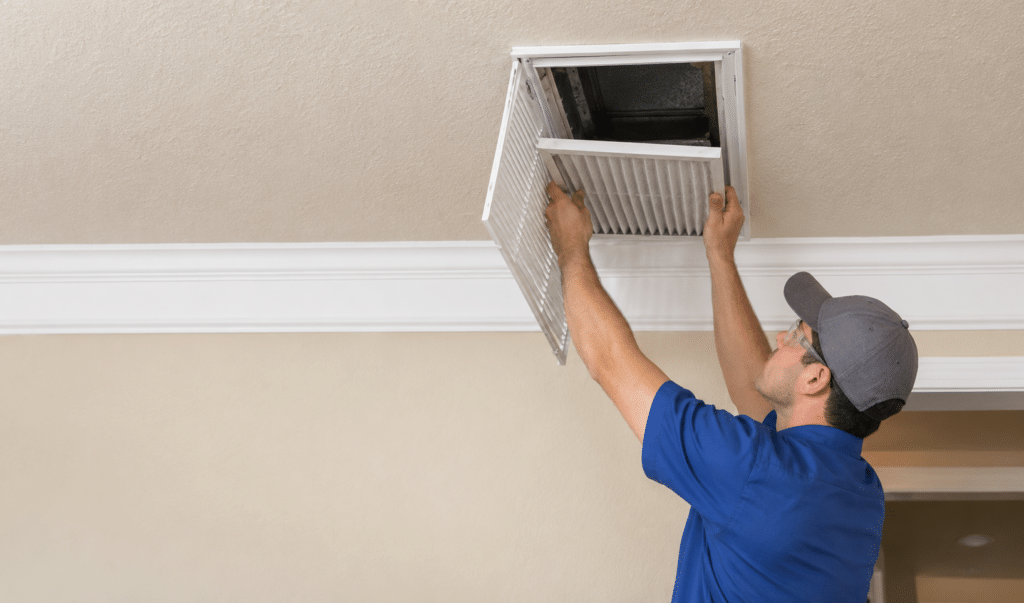
Before cleaning starts, show the technician any areas that concern you.
Useful observations include:
- Rooms with noticeably weak airflow.
- Unusual odors when heating or cooling operates.
- Recent construction or renovation dust.
- Moisture stains around vents.
- Damaged or disconnected duct sections.
- Suspected pest activity.
Ask the technician to explain any access limitations and document existing damage. Cleaning can address accumulated debris, while leaks, damaged ducts, and airflow-design problems may require different work.
What to Check After Air Duct Cleaning
Review the completed work against the agreed scope. Ask which components were cleaned, whether any sections remained inaccessible, and what follow-up work is recommended. Check that removed grilles are securely reinstalled. Review available before-and-after photographs and ask how any service openings were closed. EPA identifies visual inspection as the main way to verify cleaning results. Discuss the filter’s condition and follow the equipment manufacturer’s replacement guidance. Confirm the system’s operating status before the appointment ends.
Understand the Limits of Duct Cleaning
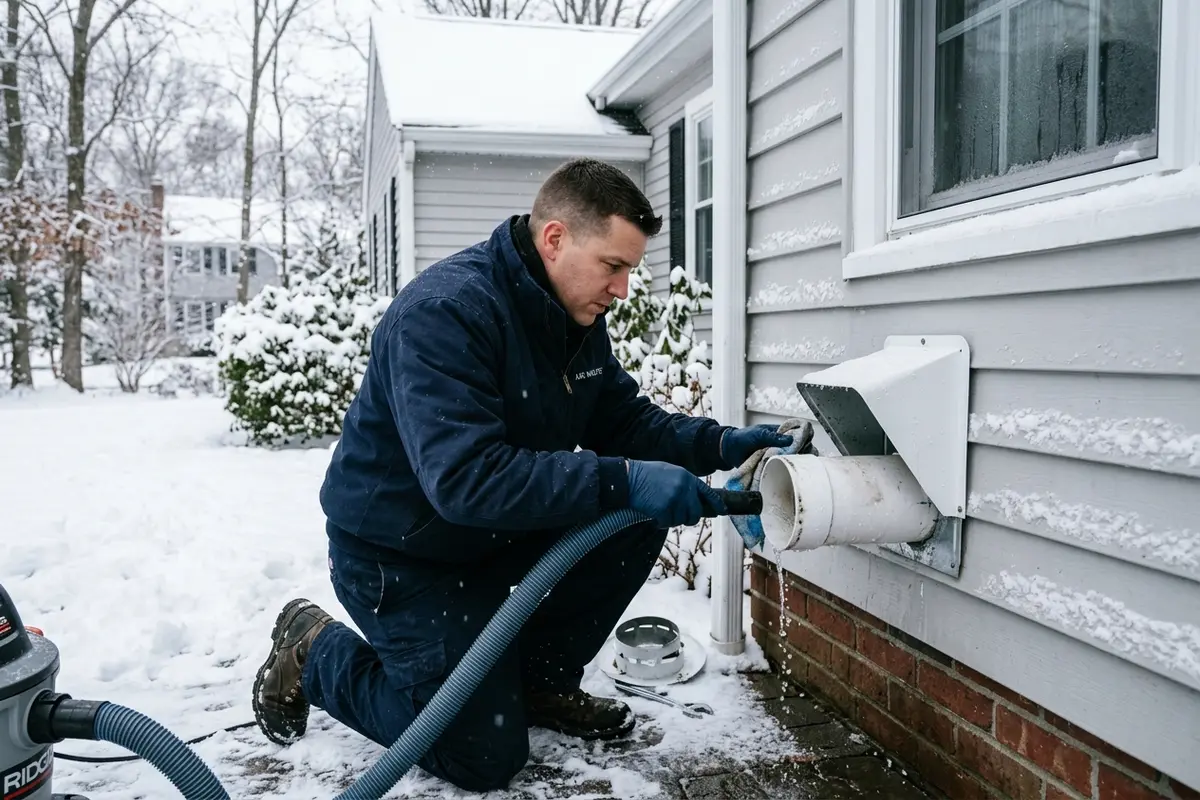
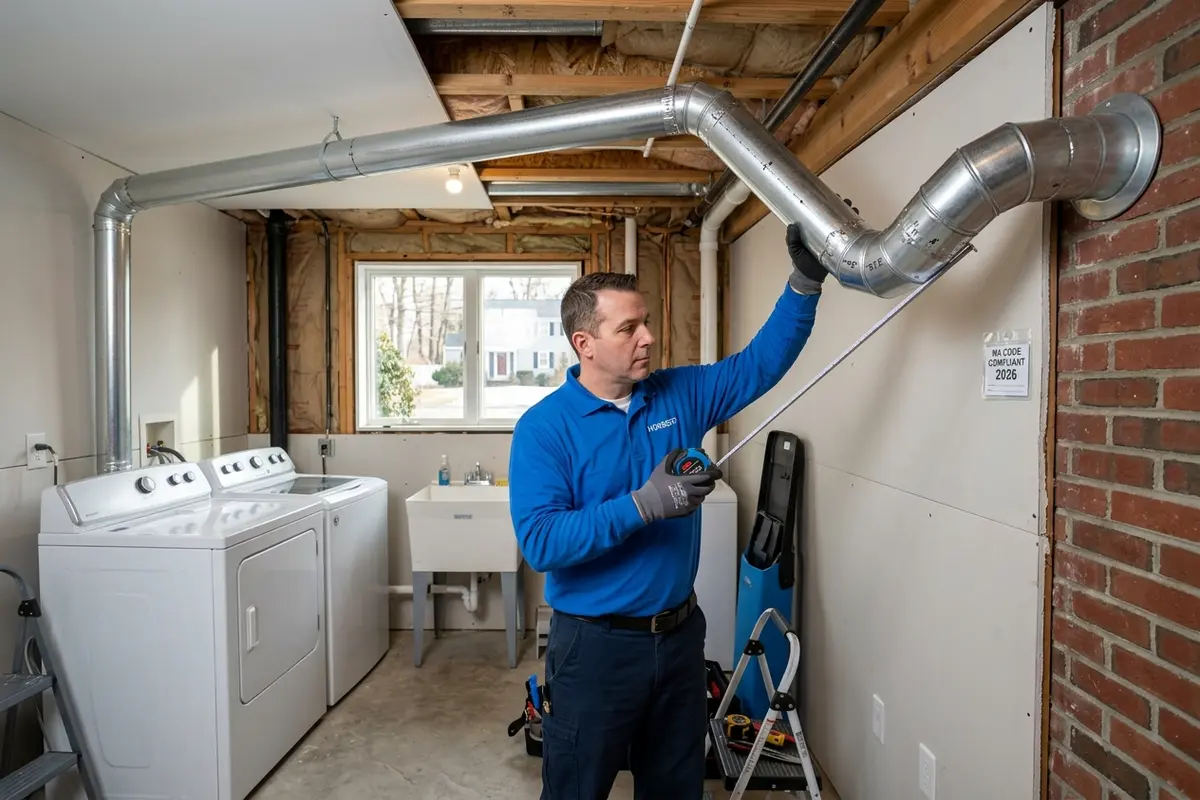
Cleaning can remove accumulated debris from the components included in the service. It does not repair leaks, enlarge undersized ducts, or eliminate every source of household dust. Avoid expecting guaranteed allergy relief, odor elimination, or lower utility bills. EPA reports limited evidence that cleaning ducts alone improves efficiency and states that duct cleaning has not been shown to prevent health problems. If you also need dryer vent cleaning, confirm it separately. Dryer exhaust and heating-and-cooling ducts are different systems.
Schedule Your Air Duct Cleaning in Boston, MA
Clear access, agreed building arrangements, and a defined service scope make the appointment easier to manage. Prepare the relevant rooms, secure pets, and allow time for a final walkthrough.
Frequently Asked Questions
How do I prepare a Boston condo for air duct cleaning?
Confirm responsibility for the system, check building-access requirements, and arrange entry to restricted equipment spaces. Clear vents inside your unit and discuss stairs, elevators, and parking with the contractor.
Do I need to move furniture before air duct cleaning in Boston?
Move lightweight items blocking vents and walkways. Discuss heavy furniture beforehand so access can be planned without risking injury or property damage.
Should I turn off my system before the Boston cleaning appointment?
Follow the contractor’s instructions. Report operating problems in advance and allow the technician to manage any shutdown required for cleaning.
Can I stay home during air duct cleaning in Boston, MA?
Confirm the company’s policy. You may be able to remain in an unaffected area, but plan around noise and keep children and pets away from work zones.
Should I replace my filter after air duct cleaning in Boston?
Not automatically. Ask about its condition and follow the equipment manufacturer’s instructions. Confirm whether a suitable replacement is included in your estimate.
What happens if a vent is inaccessible in my Boston home?
Tell the company before work begins. Ask whether another access method is suitable and how the limitation affects the scope, price, and expected result.