Sometimes, yes. Sometimes, not really. Dirty air ducts can make you sick, but it depends heavily on what’s actually built up in there. Air Wolfe Air Duct Cleaning gets this question constantly from families across Greater Boston. It deserves a real answer, not a scare tactic dressed up as a blog post. Household dust sitting in your ductwork isn’t the same health concern as active mold growth or years of uncleaned contamination. Those are two very different problems. Air duct cleaning matters most once contamination has actually built up, and knowing the difference beats guessing every time.
You’ve probably seen the headlines. Dirty ducts are causing allergies. Asthma. Even chronic illness, according to some sites. Some of that holds up under real research. A lot of it is marketing dressed up as science. What follows sticks to what the EPA, the CDC, and peer-reviewed research actually say, not whatever sells the most duct cleaning appointments.
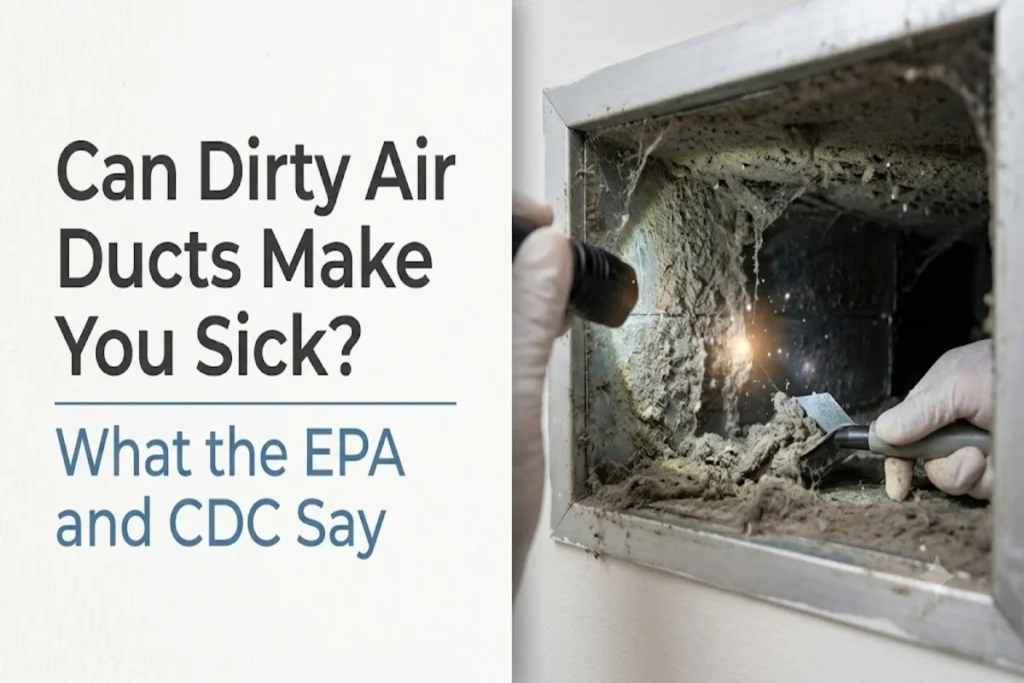
Here’s the short version before we go deeper. Contamination type matters more than most articles admit. Mold, pest debris, heavy biological buildup- these carry documented health risks. A light layer of everyday dust? The EPA itself says that it doesn’t carry the same evidence. Big difference, and it changes how seriously you should treat what’s going on in your own ductwork.
We’ll walk through the actual symptoms linked to poor indoor air quality, whether allergies and asthma are really connected, who in your household faces the highest risk, the warning signs worth watching for, and when an inspection is worth scheduling versus when it probably isn’t.
What Health Problems Can Dirty Air Ducts Cause?
The EPA lists a range of health effects tied to indoor air pollutants broadly, including eye, nose, and throat irritation, headaches, dizziness, fatigue, and, with long-term exposure to certain pollutants, more serious respiratory and cardiovascular effects. Not every symptom on that list shows up in every home. Severity comes down to what’s actually present and how much of it you’re breathing day after day.
Short-Term Symptoms You Might Notice
Sneezing, congestion, a scratchy throat, and itchy eyes that ease up the moment you leave the house. Common reactions to airborne allergens like dust mites, pet dander, and pollen. Headaches and unexplained fatigue show up sometimes, too, more often in homes with poor ventilation.
Longer-Term Health Risks With Ongoing Exposure
Continued exposure to biological contaminants is a different conversation. The CDC has cited research linking indoor mold exposure to upper respiratory symptoms, coughing, and wheezing in otherwise healthy people, plus worsened asthma symptoms in people who already have asthma. Immune-compromised individuals face a higher risk of more serious complications from mold or bacterial exposure. That’s a meaningful distinction from the general population, and it’s worth taking seriously if it applies to someone in your home. If you’ve never cleaned your air ducts, these contaminants can continue circulating through your HVAC system over time, potentially affecting your indoor air quality.
Can Dirty Air Ducts Cause Allergies or Worsen Asthma?
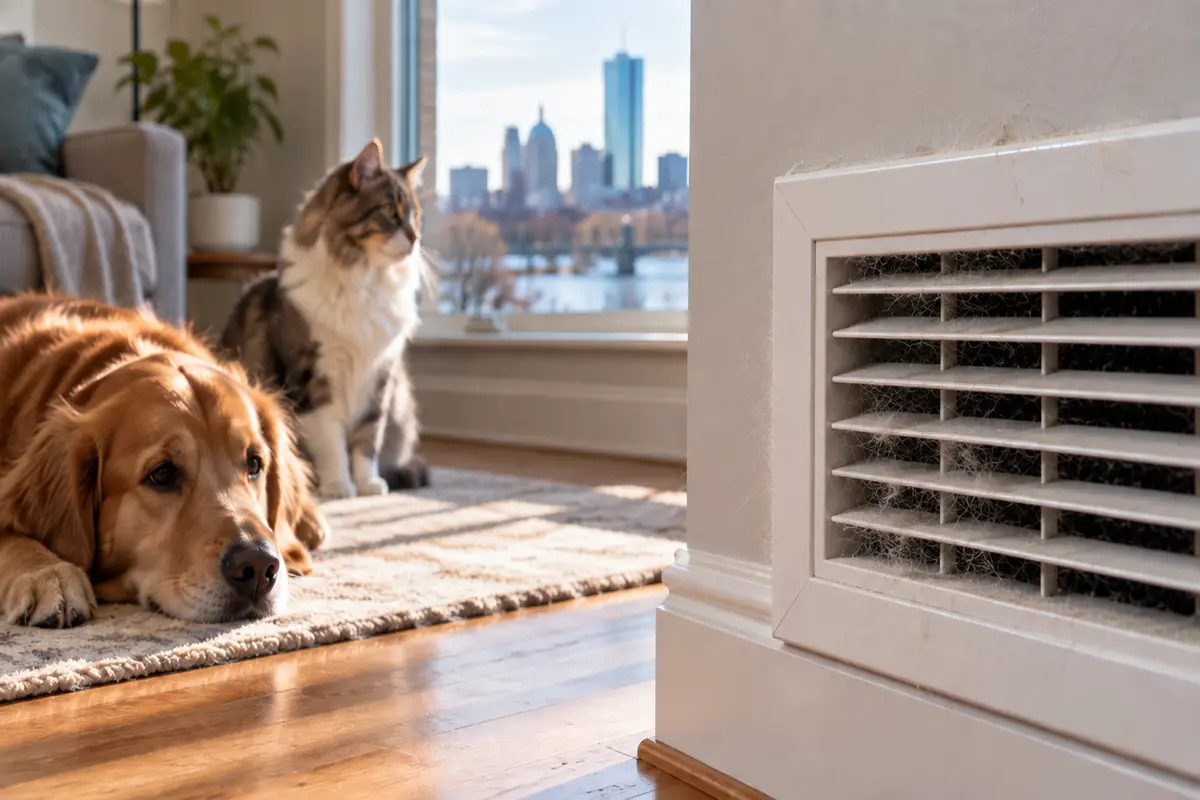
Allergies, yes, fairly often. If dust mites, pet dander, or pollen have built up inside your ductwork, that debris circulates every time your system runs. Anyone already sensitive to those allergens tends to notice it, especially during peak heating or cooling season when the system runs almost constantly.
Asthma is a more serious version of the same story. The CDC has cited research connecting mold exposure specifically to worsened asthma symptoms in people who already have the condition. Dust and pet dander can act as everyday triggers, too. A contaminated duct system isn’t just an air quality nuisance for someone managing asthma closely. It’s a legitimate trigger worth ruling out.
Can Mold or Bacteria in Air Ducts Make You Sick?
Mold is where this whole conversation gets serious, and for good reason. The CDC has pointed to research establishing real links between indoor mold exposure and actual health outcomes, not just discomfort. That research connects mold exposure to upper respiratory symptoms, asthma flare-ups, and hypersensitivity reactions in people who are especially sensitive to mold.
Bacteria in the air ducts are related but not quite the same issue. It tends to show up alongside moisture problems, much like mold does, and it can contribute to musty odors. Sometimes it plays into what researchers call sick building syndrome, a cluster of nonspecific symptoms where occupants feel noticeably better the moment they leave a particular building. Sounds almost too simple to be real, but it’s a documented phenomenon. Yes, air ducts can spread bacteria house-wide once they’re airborne, since a central HVAC system pushes air to every connected room.
Who Is Most at Risk From Dirty Air Ducts?
Poor indoor air quality doesn’t hit everyone in a household the same way
• Children, whose developing lungs are more sensitive to airborne irritants
• Seniors, particularly those with existing respiratory or cardiovascular conditions
• People with asthma or chronic allergies
• Anyone who is immunocompromised or recovering from illness
• Pregnant individuals, out of general caution around air quality
If someone in your home fits one of those categories, symptoms tend to show up faster and hit harder than they would for a generally healthy adult. Worth keeping in mind before writing off a persistent cough or ongoing congestion as just a cold that won’t quit.
Signs Your Air Ducts Might Be Making You Sick
A few patterns tend to point toward your home environment, not a seasonal illness or an unrelated allergy
• Symptoms that improve noticeably when you’re away from home
• A musty or stale odor near vents, especially after the AC or heat kicks on
• Visible mold or moisture stains around registers or ductwork
• Multiple household members developing similar symptoms around the same time
• A recent water leak, flood, or humidity issue near your HVAC system
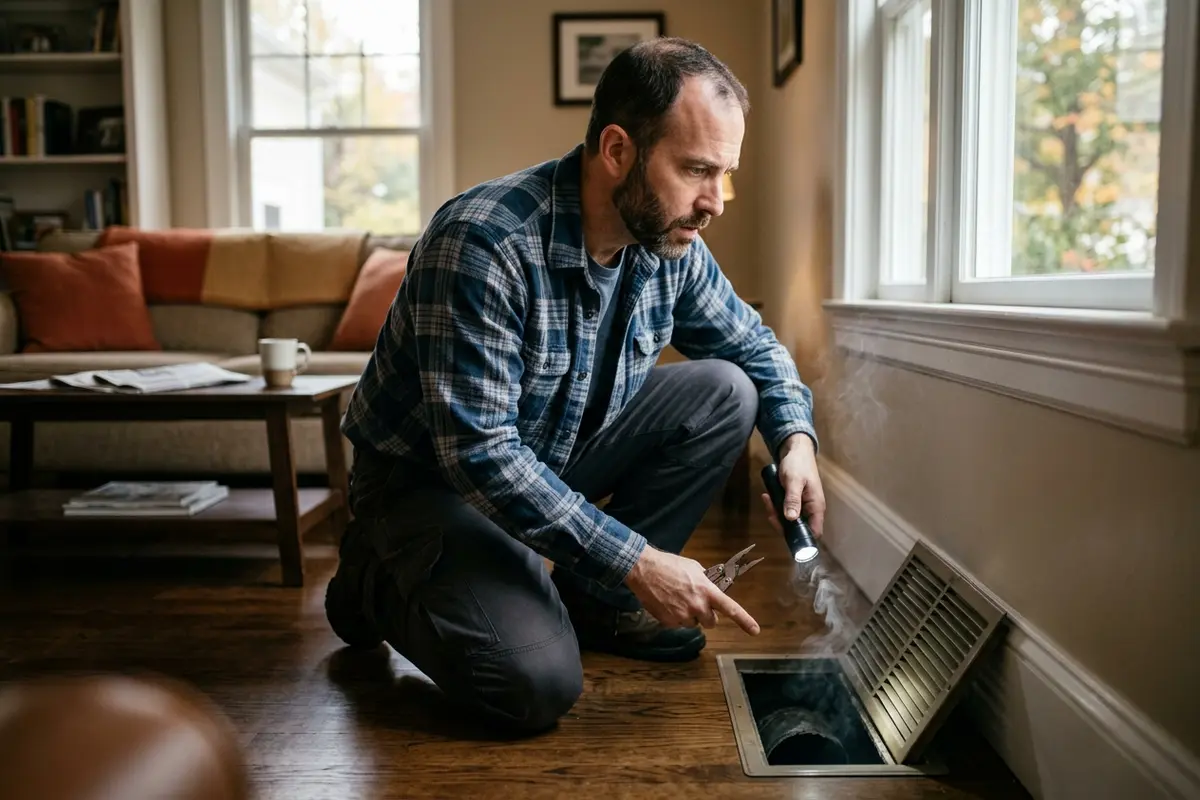
None of these guarantees that your ductwork is the cause, but they shouldn’t be ignored. If you’re noticing several of these issues, they may also be among the signs your air ducts need professional cleaning. Mention your symptoms to your doctor, and consider scheduling a professional HVAC inspection to identify or rule out problems within your duct system.
When Are Dirty Air Ducts Unlikely to Affect Your Health?
Most duct cleaning companies leave this part out, and it’s worth saying plainly. The EPA states there’s no evidence that a light amount of household dust or particulate matter in air ducts poses a health risk on its own. Dirty air ducts are also just one of many possible sources of indoor particles, and often not the biggest one. Everyday activities like cooking, using cleaning products, tracking in outdoor pollen, and even normal foot traffic contribute more to what you’re breathing than most people assume.
A little visible dust around a vent cover isn’t necessarily cause for alarm. The situations actually worth taking seriously involve visible mold growth, a musty smell that won’t quit, evidence of pests, or unexplained symptoms that ease up whenever someone spends time away from home.
How Do Contaminants Build Up Inside Ductwork in the First Place?
Your HVAC system pulls air through your home constantly. That air carries whatever’s floating around your living space with it. Dust, pet dander, pollen tracked in from outside, fabric fibers, dead skin cells- all of it. Most eventually settles somewhere, and ductwork is one of the places it collects. Give it months or years, and that buildup thickens, especially wherever there’s a bend, a seam, or slower airflow.
Moisture changes everything, though. A humid basement, a leaky condensate line, a poorly sealed duct running through a damp crawl space- any of those create conditions where mold and bacteria can actually grow, not just pile up like ordinary dust. That’s the real turning point, where household dust circulation stops being a nuisance and starts being an active contamination source.
How Can Professional Inspection and Cleaning Help?
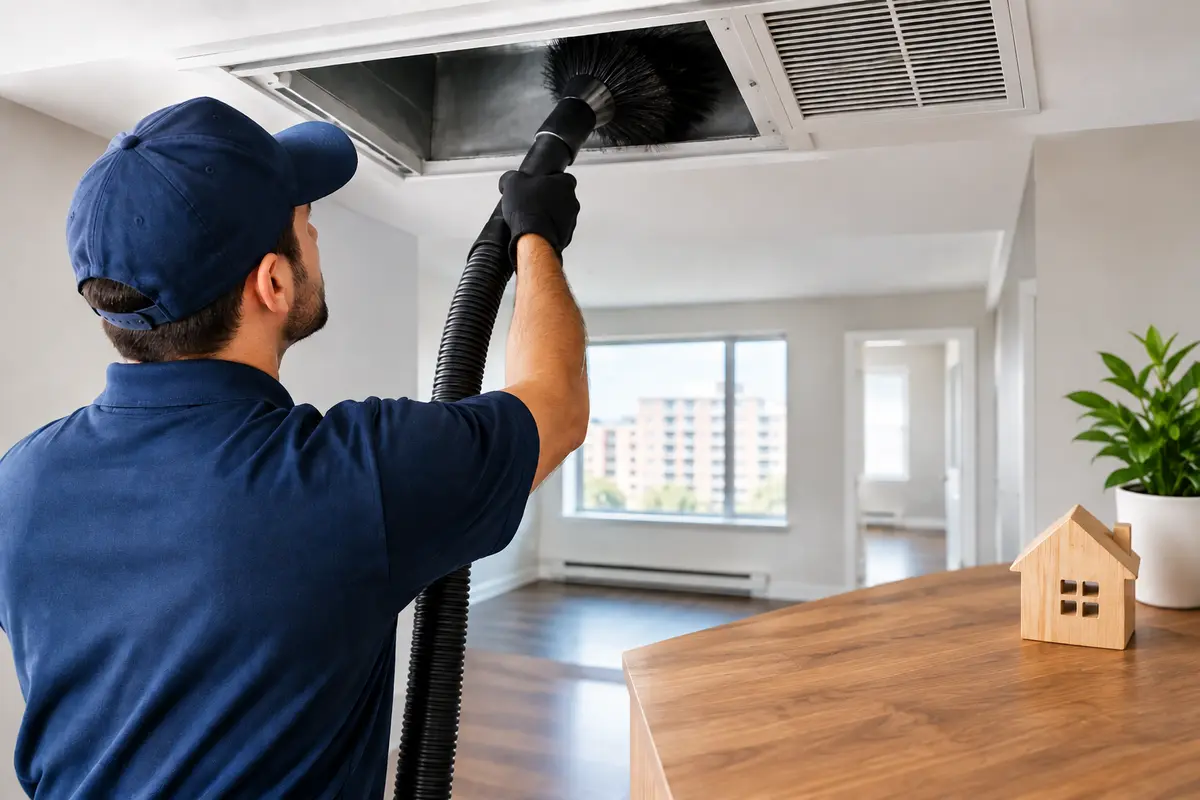
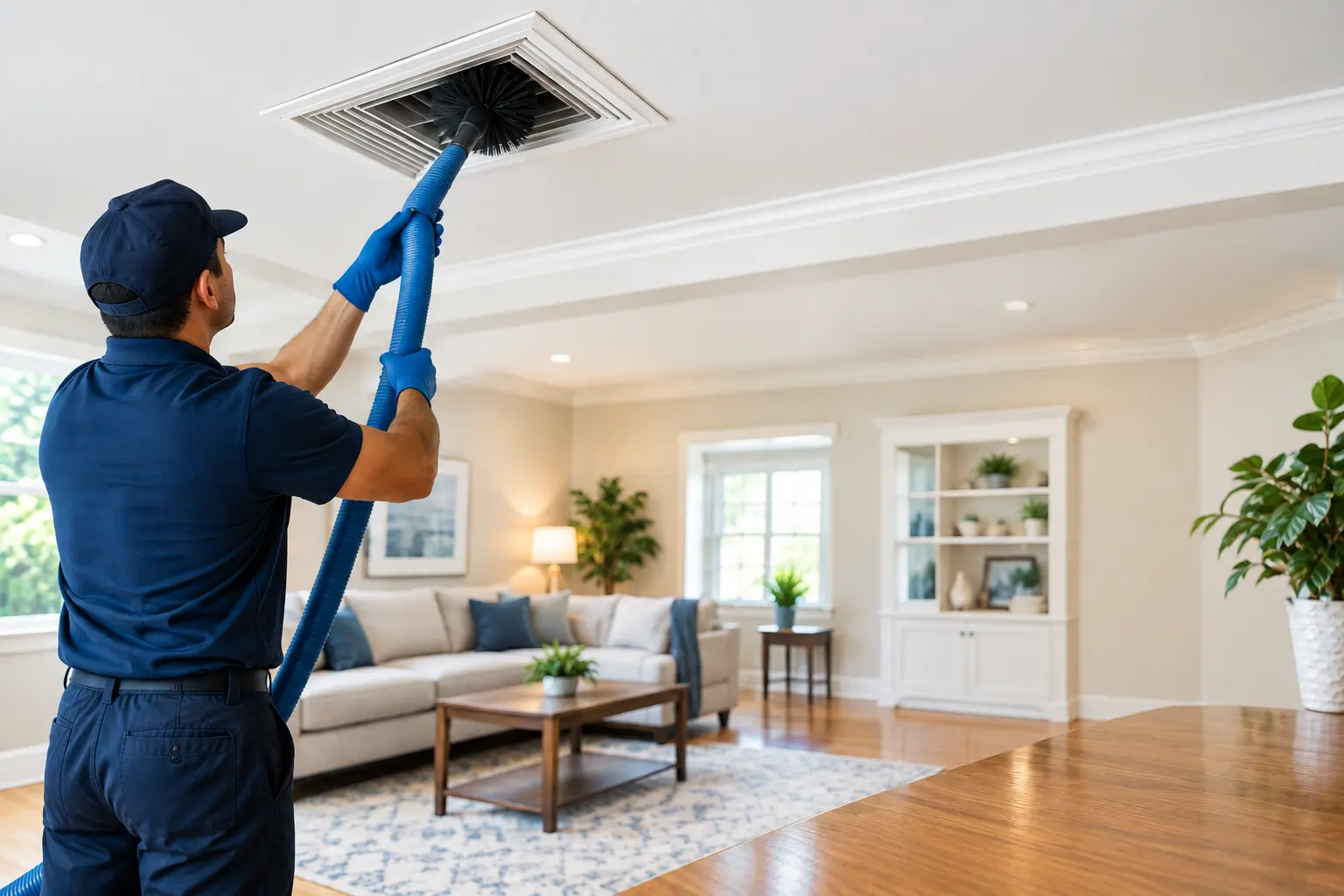
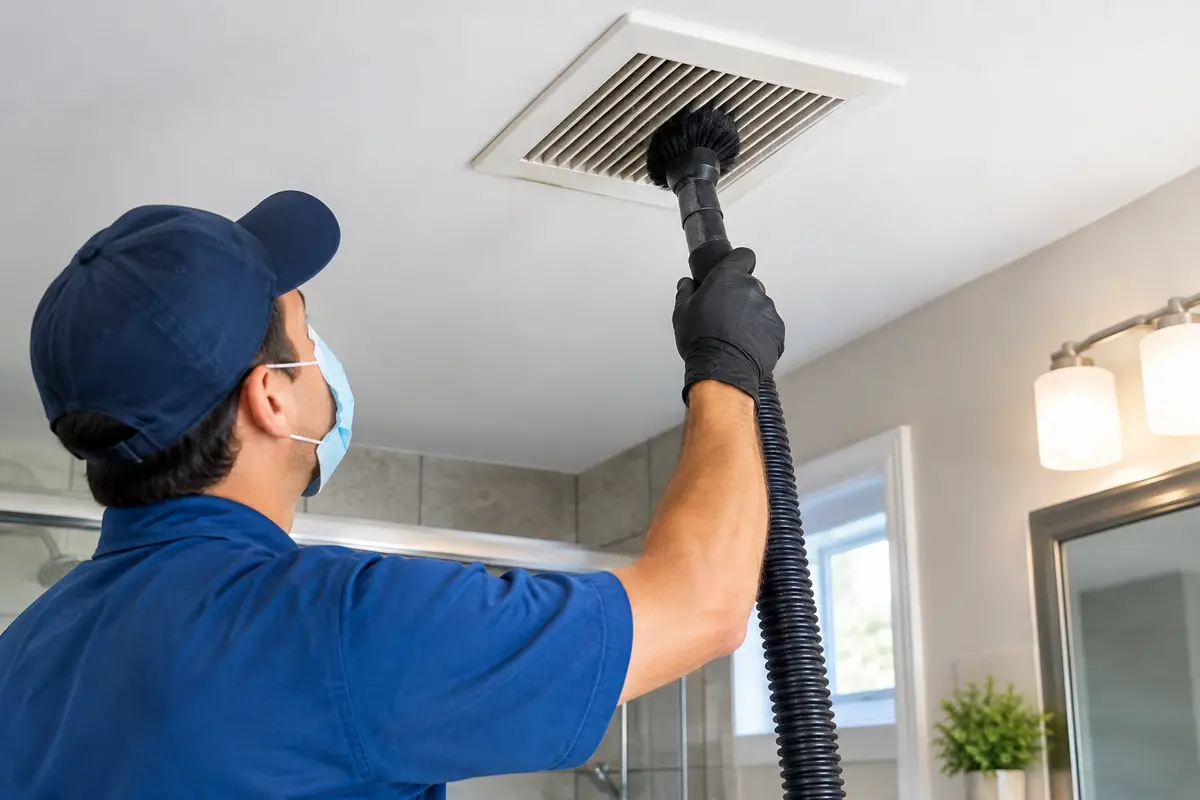
When contamination is actually present, a professional inspection identifies exactly what you’re dealing with instead of leaving you to guess. Air Wolfe Air Duct Cleaning uses HEPA-filtered vacuum equipment and a professional rotary brush system to remove built-up debris. Our technicians are trained to recognize signs of mold or bacterial contamination that go beyond a routine dust job. If something looks like it needs more than a standard cleaning, we’ll say so honestly instead of running the same service on every single job. Beyond addressing contamination, homeowners often notice additional benefits of cleaning air ducts, including improved airflow, reduced dust buildup, and fresher indoor air when cleaning is recommended for their specific situation.
Every estimate is free. Every technician is background-checked, licensed, and insured. You’ll get a straight answer about whether your symptoms are likely connected to your ductwork, or whether the real cause probably lies somewhere else entirely.
Frequently Asked Questions
Can dirty air ducts make you sick?
Sometimes. Mold, bacteria, and heavy biological buildup carry documented health risks, especially for children, seniors, and people with asthma or allergies. Ordinary household dust is a different story. The EPA says there’s far less evidence connecting a light layer of it to actual illness.
Do air ducts carry germs that make people sick?
Not on their own. Ductwork doesn’t generate germs, but it can harbor mold, bacteria, and allergens that circulate through your home’s air. Everything depends on what’s actually in there, not on the ductwork itself.
Can HVAC systems spread dust throughout an entire home?
Yes. Central heating and cooling pull air from every connected room and push it right back out. That means contaminants in the ductwork get distributed house-wide instead of staying contained to one spot.
How do I know if my air ducts are making me sick?
Watch for symptoms that ease up when you’re away from home, musty odors near vents, visible mold, or several household members developing similar symptoms around the same time. A professional inspection can confirm it, or rule it out, pretty quickly.
How long does it take to notice symptoms from dirty air ducts?
It varies widely. Allergy-type reactions to dust or pet dander can show up within minutes of the system running. Mold-related symptoms often build more gradually, sometimes over weeks, which is part of why they’re easy to mistake for a lingering cold or seasonal allergies.
Can babies or young children be affected by dirty air ducts?
Yes, more than most adults realize. Children’s lungs are still developing, and they breathe more air relative to their body size than adults do. Homes with infants or young kids are a reasonable place to be a little more cautious about ductwork condition.
Is it normal to feel sick every winter because of dirty air ducts?
It’s common enough to be worth investigating. Your system runs constantly through the winter months, pulling more air through the ductwork than at any other time of year. If symptoms reliably show up once the heat kicks on and fade in warmer months, ductwork is a reasonable thing to check.
Should I clean my air ducts for better health?
Suppose there’s visible mold, a persistent odor, or symptoms that don’t add up. Yes, an inspection’s worth it. If your home shows none of those signs, routine light dust probably isn’t a health concern on its own. Either way, you can contact Air Wolfe Air Duct Cleaning for a free, honest assessment.
Something about your indoor air bothering you? A family member’s symptoms just are not adding up? Worth getting a real answer instead of guessing. You can schedule service with Air Wolfe Air Duct Cleaning, or call (617) 991-6651 to talk to an actual technician about what you’re noticing at home.