Your HVAC system works harder than it should, and dirty ducts are usually why. Yes, HVAC air duct cleaning improves energy efficiency, often more than homeowners expect. Air Wolfe’s air duct cleaning service clears blockages that strain your furnace and AC. Here’s the thing nobody tells you. A ten-year-old system with clean ducts can outperform a brand-new one buried in dust.
Why does the connection exist at all? Airflow sits at the heart of it. When your ducts fill with dust, pet hair, and debris, air has to fight to get through. Your blower motor works overtime to push the same volume of air through a narrower path. That extra effort shows up as extra electricity on your bill, plain as that.
Not every homeowner buys this right away. Fair enough, it does sound a little too simple. But the physics checks out, and the math backs it up too. Any HVAC technician who’s pulled a camera through a decade-old duct system will tell you the same thing.
The guide below breaks down exactly how dirty ductwork drains energy, what a cleaning actually fixes, and how much difference you might realistically see on your bill. Stick around, because a few of these numbers might surprise you.
How Does HVAC Air Duct Cleaning Support System Maintenance?
HVAC system maintenance covers more ground than most people assume: filters, coils, refrigerant levels, and yes, the ductwork running through your walls. If you skip duct cleaning long enough, even a well-maintained furnace starts underperforming. The system isn’t broken. It’s just choking on years of buildup.
The Blower Motor Connection
Your blower motor pushes conditioned air through the entire duct network, every single cycle. A clean path means less resistance. A clogged one means the motor spins harder and wears out faster than it should. Manufacturers rate motors for a certain lifespan assuming reasonably clean conditions, not decades of dust.
Filters Alone Won’t Fix It
A lot of homeowners assume a fresh filter solves everything. It helps, sure, but it only catches what passes through the intake. Dust already sitting inside the ducts stays right where it is.
Air Wolfe Air Duct Cleaning looks at the whole system, not just the parts you can see. HVAC air duct cleaning reaches the parts a filter change never touches.
Coils and Refrigerant Lines Feel It Too
Your evaporator coil depends on steady airflow to transfer heat properly. A coil starved of air can freeze over, even on a hot day. That sounds backward until you understand what’s happening. Ice on a coil is almost always an airflow problem, not a refrigerant problem, though plenty of homeowners assume otherwise and pay for a refrigerant recharge they didn’t need.
Can Airflow Restriction and Energy Loss Really Cost You This Much?
Airflow restriction and energy loss go hand in hand, and the relationship is closer than you’d think. A restricted duct forces your system to run longer cycles to hit the same thermostat setting. Longer cycles mean more runtime. More runtime means a bigger bill at the end of the month.
A homeowner in Braintree ran her AC nearly nonstop through a hot July, convinced the unit itself was failing. A technician found ductwork packed with construction dust from a renovation two years earlier. One cleaning later, her AC started cycling normally, and her August bill came in noticeably lower than July’s despite similar weather.
The math behind this isn’t complicated, even if it feels counterintuitive at first. A system fighting restricted airflow can use anywhere from 5 to 15 percent more energy to move the same amount of air, depending on the severity of the blockage. Those extra percentage points, spread across an entire cooling season, stop being a rounding error fast.
Does Furnace and AC Efficiency Really Depend on Clean Ducts?
Furnace and AC efficiency gets measured in ratings like SEER and AFUE, numbers manufacturers slap on the box. Those ratings assume clean, unobstructed airflow. Dirty ducts quietly undercut that rating from day one. You could own a top-tier, high-efficiency system and still pay like you own a mediocre one.
A few specific things take the hit when ductwork goes unchecked.
• Manufacturer efficiency ratings
• Even temperature distribution
• Equipment lifespan
• Indoor comfort during extreme weather
Could HVAC Air Duct Cleaning Lead to Lower Monthly Utility Bills?
Lower monthly utility bills sound great in theory, but what does it look like in real numbers? Savings vary by home size and how long the buildup’s been sitting there. Some homeowners see a modest dip. Others, especially in older homes with years of neglect, notice a real difference.
A family in New Bedford tracked their electric bill for three months after a full duct cleaning. Their average bill dropped by roughly 12 percent compared to the same months the prior year. Not a fortune, but enough to notice, and enough to pay for the service within a season or two.
What Does a Professional HVAC Air Duct Cleaning Visit Involve?
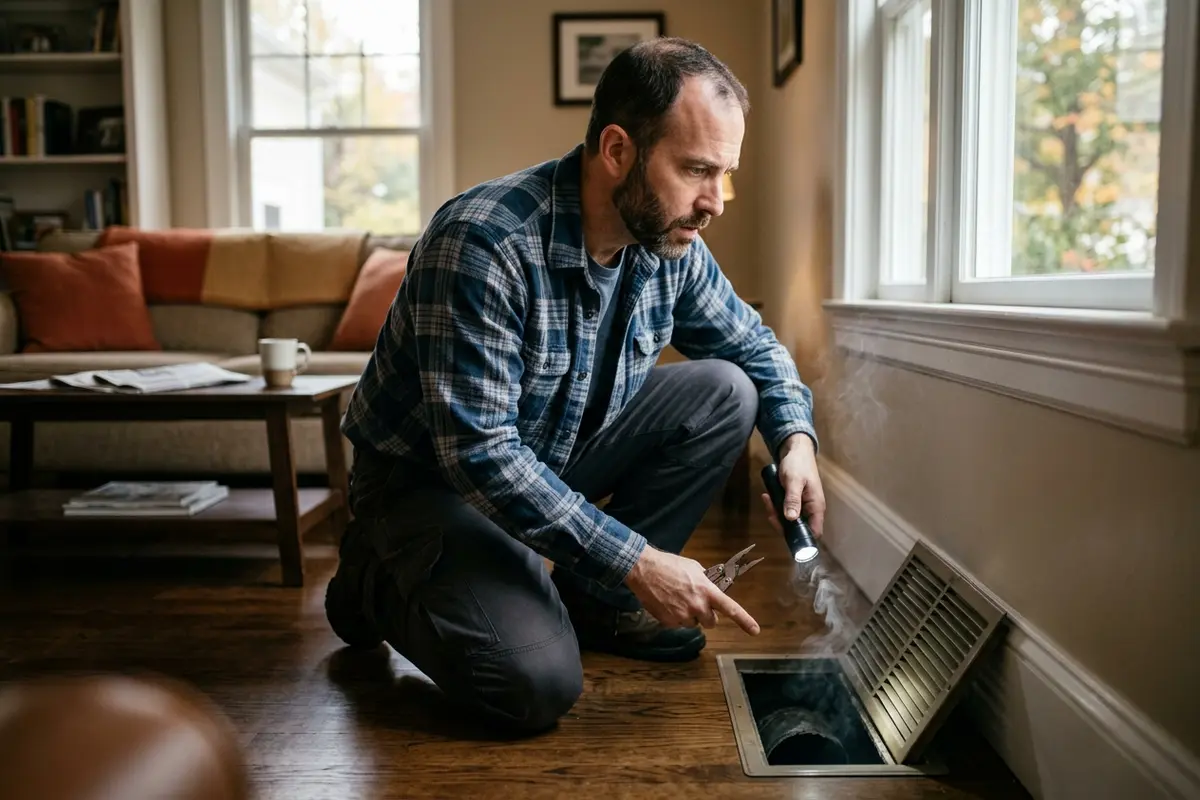
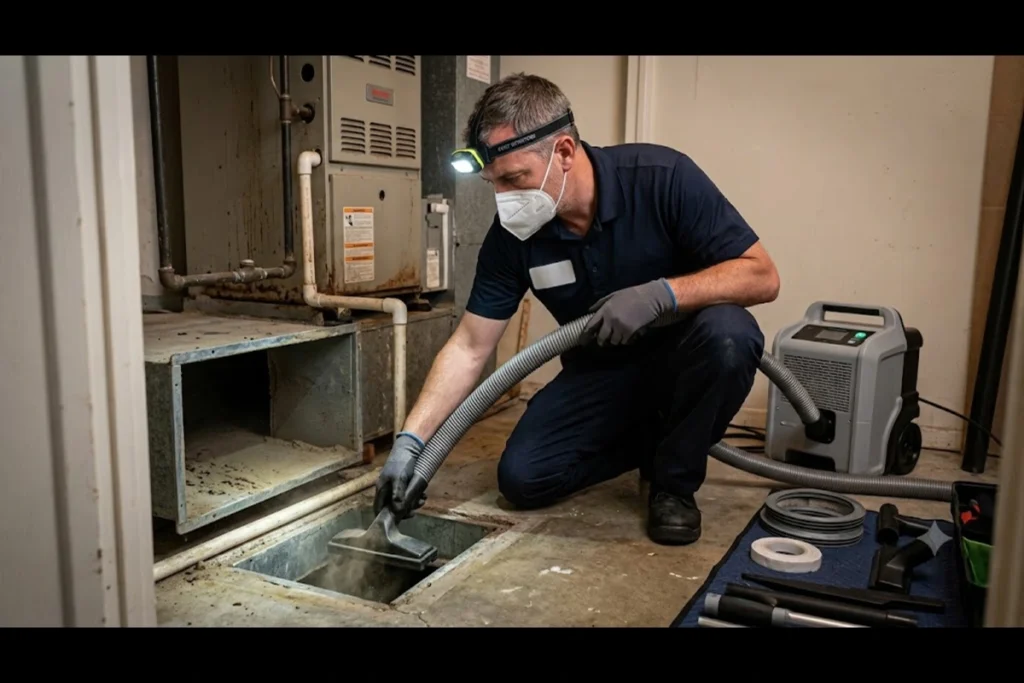
Most visits start with an inspection, not a vacuum hose. A technician checks accessible sections of ductwork, notes problem areas, and explains what they’re seeing before touching anything. That walkthrough alone catches a lot of homeowners off guard, honestly, since most have never actually looked inside their own vents.
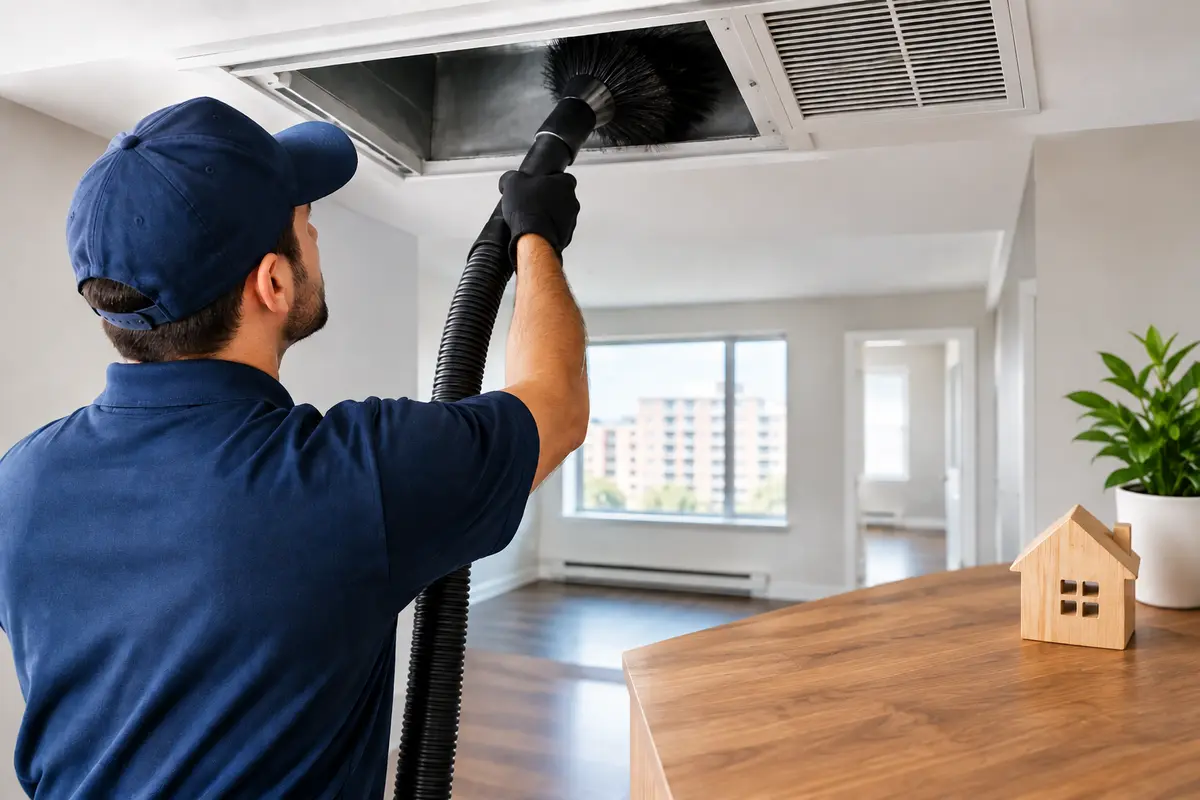
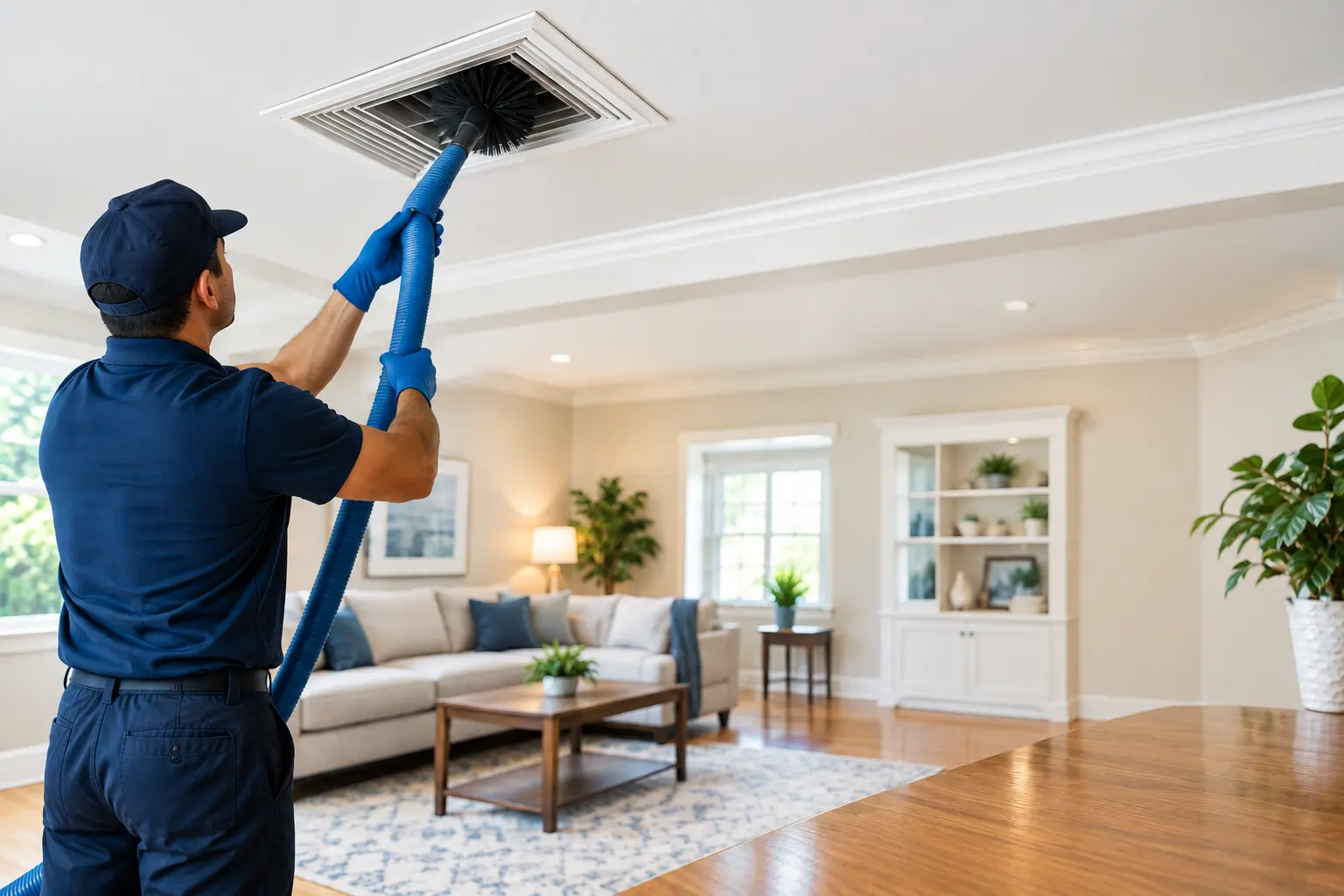
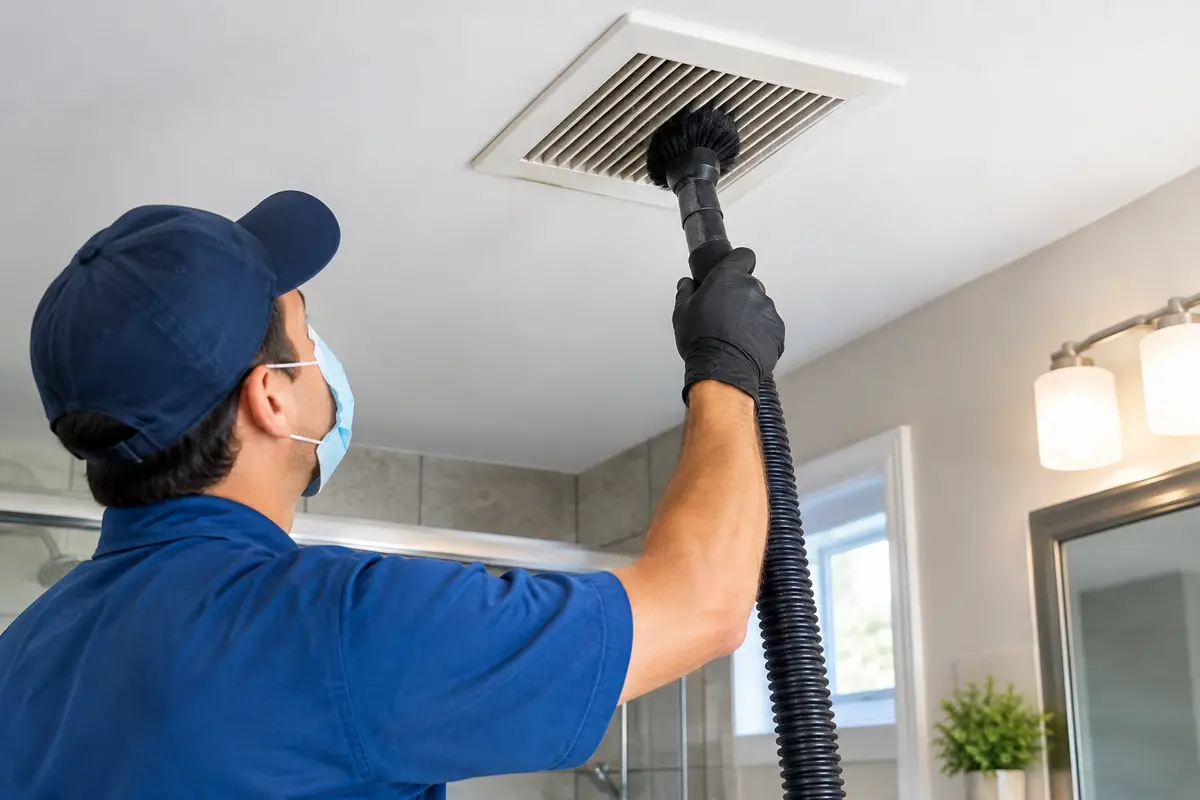
From there, equipment varies by company, but the goal stays the same. The best air duct cleaning company uses specialized equipment to dislodge debris and pull it out through a sealed vacuum system, so nothing ends up back in your living room. A thorough job usually takes a few hours for an average home, longer for larger properties or homes with extensive ductwork.
How Often Does Your HVAC System Need This Kind of Attention?
Most homes benefit from a duct inspection every few years, sooner if you’ve had renovation work or a recent pest issue. You don’t need to overthink the schedule. Just watch for the signs instead.
• Uneven heating or cooling between rooms
• Musty smell when the system kicks on
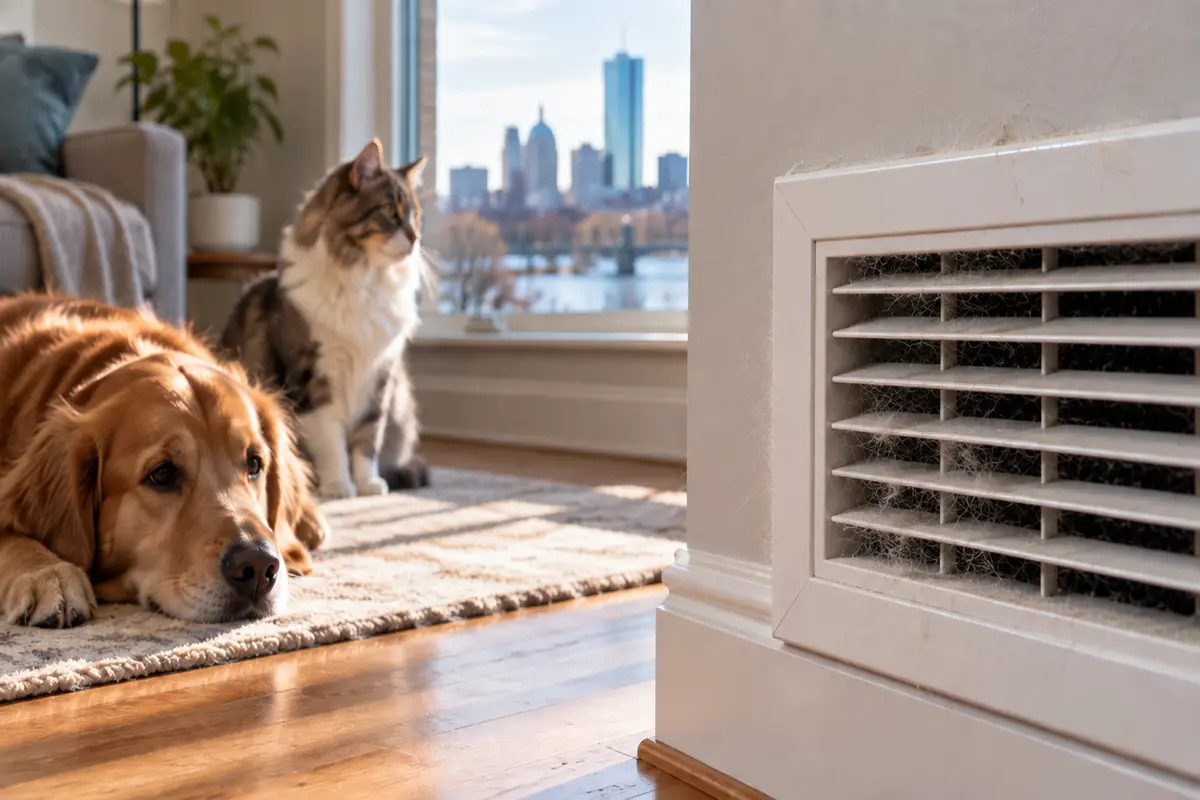
• Visible dust around vent covers
• Rising energy bills without a clear cause
• A system that runs longer than it used to
Energy efficiency in homes matters beyond the monthly bill too. The U.S. Department of Energy notes that heating and cooling account for a huge share of a typical home’s energy use. A clean duct system is one of the simpler ways to keep that number in check.
So does HVAC air duct cleaning improve energy efficiency? All signs point to yes, and the savings tend to add up faster than people expect. You can contact Air Wolfe Air Duct Cleaning today to find out what a cleaning could do for your system.