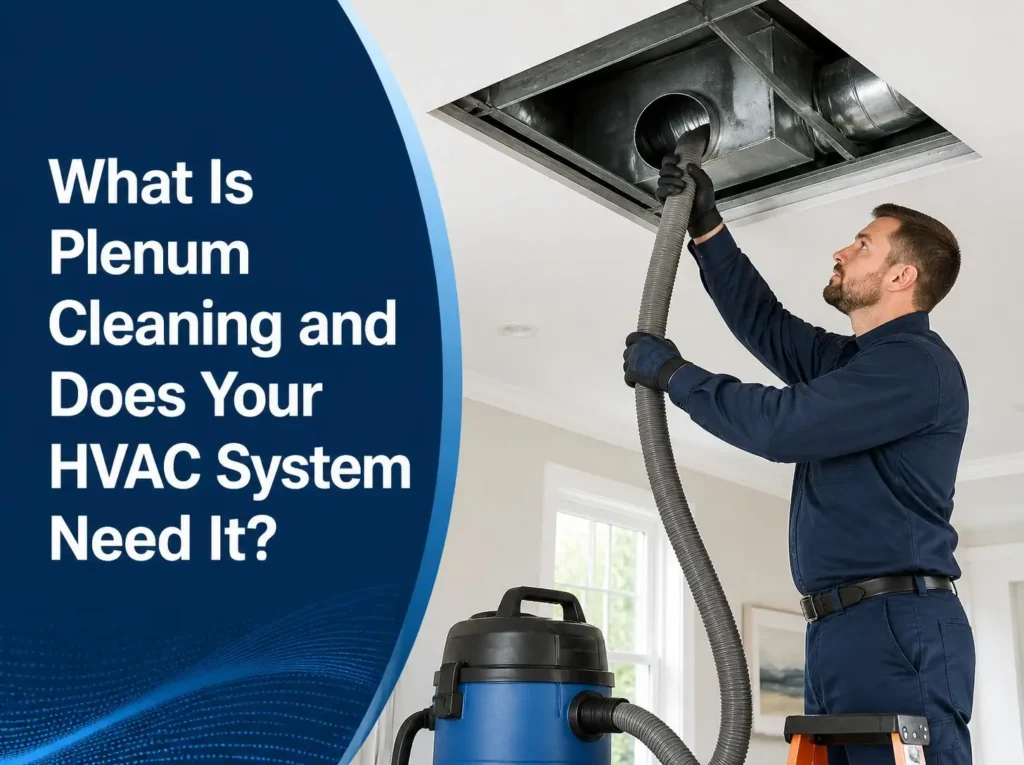
Most residential HVAC systems have two plenums, and each serves a different purpose. The supply plenum sits on the output side of the air handler and distributes freshly heated or cooled air into the ductwork before it reaches every room in your home. This is the “clean air out” side of the system. The return plenum is located on the input side, pulling air back through your home’s return vents before it passes through the air filter and across the evaporator coil or heat exchanger. This is the “used air in” side, and it typically collects more dust, pet hair, pollen, and other airborne debris because it is the first stop before filtration. Plenum cleaning removes the built-up contaminants from both the supply and return plenums, helping restore proper airflow, reduce dust circulation, and improve overall HVAC performance. At Air Wolfe Air Duct Cleaning, we clean both plenums as part of a thorough HVAC cleaning process to improve indoor air quality, increase system efficiency, and extend the life of your heating and cooling equipment.
| Feature | Supply Plenum | Return Plenum |
|---|---|---|
| Location | Output side of air handler | Input side of air handler |
| Function | Distributes conditioned air to ducts | Collects household air before filtration |
| Typical contamination | Lighter dust, occasional condensation | Heavy dust, pet hair, allergens, debris |
| Proximity to moisture | Near evaporator coil (some systems) | Near return grilles and filter slot |
Some systems also have an air handler plenum or “built-in” plenum where the supply and return sections are integrated into the cabinet itself. In commercial buildings, you’ll also encounter open-air plenums, spaces above a drop ceiling used as a return-air pathway instead of dedicated ductwork.
Why the Plenum Gets Dirty
The plenum accumulates buildup faster than almost any other part of the duct system for a few specific reasons.
Proximity to the evaporator coil. In many air handlers, the plenum sits directly next to the evaporator coil, which produces condensation every time the AC runs. That moisture can migrate into the plenum, creating a damp surface where dust and organic debris stick and cake on rather than simply blowing through.
Filter location. Because the filter often sits at or near the return plenum, this is where airborne particles concentrate before they’re captured, or slip past a poorly sealed filter slot.
Construction and renovation debris. Drywall dust, sawdust, and insulation fibers from new construction or remodeling projects settle heavily in the plenum, since it’s usually the first large, flat surface air encounters.
Pest activity. Rodents and insects are drawn to the dark, sheltered space around plenums and air handlers, leaving behind droppings, nesting material, and shed skin.
Water damage. A roof leak, condensate line backup, or plumbing issue near the air handler can soak insulation inside the plenum, creating conditions for mold growth that a visual glance from outside won’t reveal.
Age and lack of maintenance. A plenum that’s never been cleaned or inspected can accumulate years, sometimes decades, of layered debris, especially in homes with pets, older insulation liners, or a history of DIY-only duct maintenance.
Signs Your HVAC System Needs Plenum Cleaning
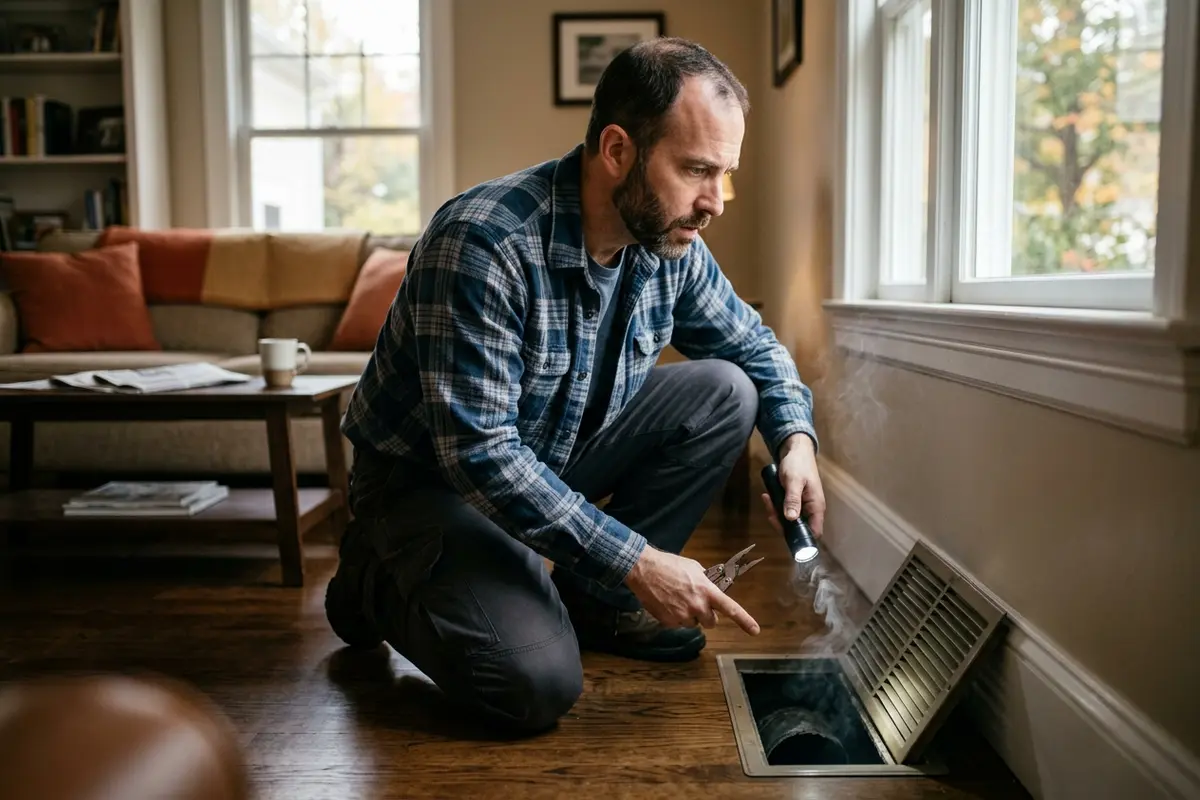
Common warning signs include visible dust blowing from vents, a musty smell when the system runs, worsening allergy symptoms indoors, weak airflow, and visible mold or debris when the plenum access panel is opened.
Watch for these specific indicators:
- Dust or debris blowing from supply vents shortly after the system starts, especially after long periods of inactivity
- A musty, stale, or “dirty sock” odor that appears when the heat or AC kicks on
- Worsening allergy or asthma symptoms indoors, particularly when they improve away from home
- Visible mold, discoloration, or water staining around the plenum or air handler access panel
- Reduced airflow at vents that used to blow strongly, which can point to a clogged or restricted plenum
- Recent renovation, insulation work, or pest activity near the air handler
- A known water leak or condensate overflow near the equipment closet or attic unit
- Visible rodent droppings or nesting material inside the equipment closet or attic space
If you notice more than one of these, it’s worth having a technician physically inspect the plenum rather than guessing based on symptoms alone.
What Happens During Professional Plenum Cleaning?
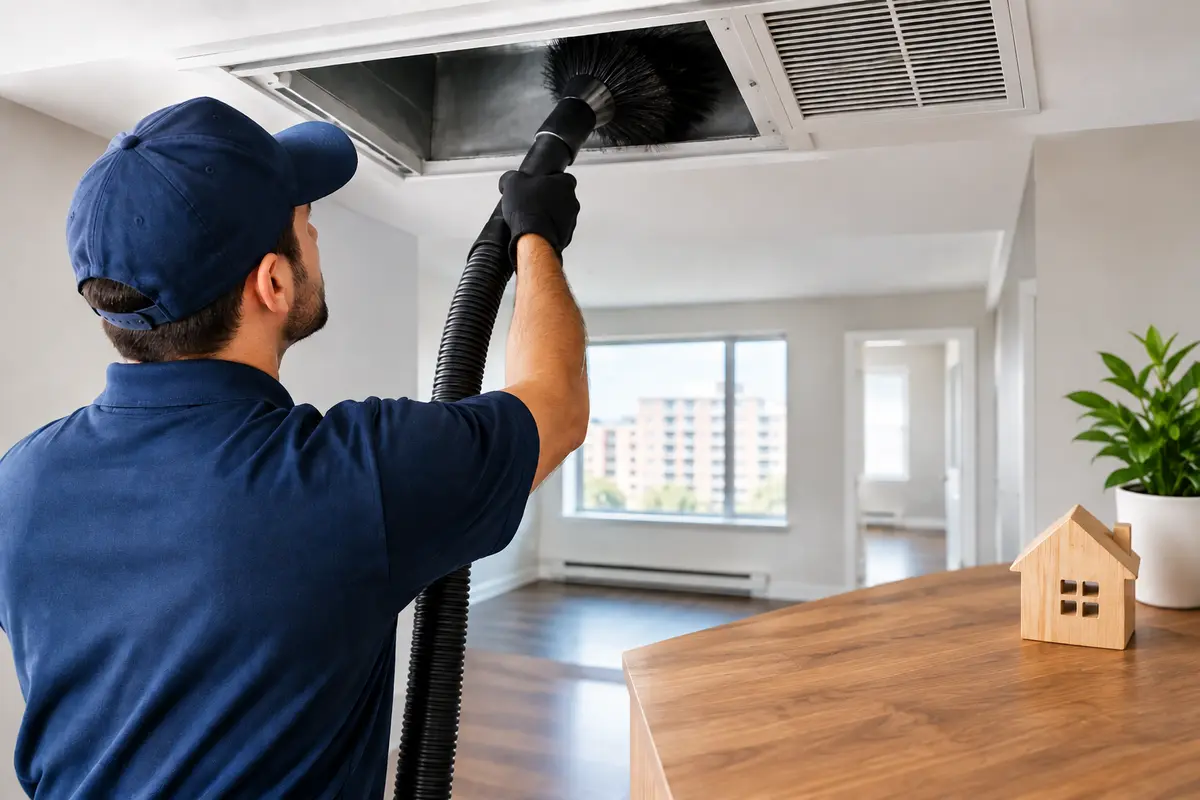
A professional plenum cleaning involves inspecting the chamber, sealing the work area, using HEPA-filtered negative-air equipment to dislodge and capture debris, hand-cleaning stubborn buildup, and verifying the surfaces meet a visible-cleanliness standard before closing the system back up.
Here’s what that looks like step by step, following the process framework used by NADCA-trained technicians:
- Visual inspection. The technician opens the plenum access panel (or the seams, if no panel exists) and inspects for dust load, moisture, mold-like growth, pest debris, and insulation condition.
- System containment. The HVAC system is sealed off from the rest of the home so dislodged debris doesn’t escape into living spaces during the cleaning.
- Negative air pressure setup. A HEPA-filtered vacuum collection unit is connected to create negative pressure inside the ductwork, so debris is pulled toward the collection device rather than pushed further into the home.
- Agitation and extraction. Brushes, air whips, or hand tools loosen caked-on debris from the plenum’s interior surfaces, which is immediately pulled into the vacuum system.
- Hand cleaning of stubborn areas. Corners, seams, and insulation liners often need manual wiping or scrubbing, especially where moisture has caused buildup to adhere.
- Sanitizing (when warranted). If mold-like growth or odor is present, an EPA-registered antimicrobial treatment may be applied to hard, non-porous surfaces, never as a substitute for removing the moisture source.
- Final inspection. The technician verifies the plenum meets a visibly clean standard before resealing access panels and restoring the system to normal operation.
This is a meaningfully different process than dragging a shop vac hose through a supply register, which reaches only a few feet of ductwork and never touches the plenum at all.
Is Plenum Cleaning Included with Air Duct Cleaning?
Not always, and this is where homeowners get surprised by a quote. A thorough, NADCA-aligned air duct cleaning should include the plenum as a standard component, along with the trunk lines, branch ducts, registers, and the air handler itself, but plenty of budget “whole house duct cleaning” deals skip it, either because the crew isn’t equipped to access it or because it’s simply not part of a stripped-down service. Before booking any duct cleaning, ask the provider directly: “Does this include cleaning the supply and return plenums, or just the ductwork and vents?” If the answer is vague, that’s a red flag. At Air Wolfe Air Duct Cleaning, plenum cleaning is a standard part of our residential and commercial air duct cleaning service, not an upsell.
Benefits of Cleaning Your HVAC Plenum
- Improved airflow. Removing buildup from the plenum reduces restriction at the system’s most critical junction, helping air move more freely to every room.
- Better energy efficiency. A restricted plenum makes your blower work harder to push the same volume of air, which translates directly into higher energy use.
- Reduced allergen and dust circulation. Since everything that passes through your ducts flows through the plenum first, cleaning it reduces the source material available to recirculate.
- Lower mold risk. Removing organic debris and moisture-affected material reduces the food source and surface area mold needs to establish itself.
- Fewer musty odors. Odor-causing buildup is often concentrated in the plenum rather than spread evenly through the duct run.
- Longer equipment life. Less strain on the blower motor and coil from restricted airflow can reduce long-term wear on the system.
When Plenum Cleaning May Not Be Necessary
Good HVAC advice tells you when not to spend money, too. The U.S. Environmental Protection Agency has stated plainly that duct cleaning has never been shown to conclusively prevent health problems, and that dust levels in a home aren’t necessarily driven by dirty ducts alone; much of the debris inside ductwork adheres to surfaces rather than entering the living space.
Plenum cleaning is probably not urgent if:
- Your system is newer, your filters have been changed on schedule, and there’s no visible dust, mold, or odor issue.
- You’ve had no water intrusion, pest activity, or major renovation near the equipment.
- Airflow at your vents is strong and consistent throughout the house.
- A visual inspection shows only light, even dust rather than caked debris or staining.
In these cases, routine filter changes and a periodic HVAC maintenance visit are usually enough. A trustworthy technician will tell you when your plenum looks fine rather than upselling a cleaning you don’t need, and at Air Wolfe, we’d rather earn a repeat customer than push an unnecessary service.
Mold, Dust, and Indoor Air Quality
The plenum’s role in indoor air quality comes down to one fact: it’s the narrowest, most contamination-prone point in the entire duct system. The EPA specifically recommends duct cleaning, which should include the plenum, when there is substantial visible mold growth inside hard-surface ducts or other HVAC components, when ducts are infested with vermin, or when they’re clogged with excessive dust and debris that’s actually being released into the home through the vents.
A few important distinctions worth understanding:
- Surface mold vs. structural mold. Mold-like growth on the metal surface of a plenum can often be cleaned and treated. Growth on porous insulation liners inside the plenum may require replacing that material rather than just cleaning it.
- Condensation is the real driver. Cleaning a plenum without addressing an underlying moisture source, a leaking coil pan, poor attic ventilation, or a cracked condensate line, only delays the problem from coming back.
- Not all “black stuff” is mold. Soot, carbon buildup near gas furnaces, and ordinary dust discoloration can look alarming but aren’t biological growth. A qualified technician (or lab test, when warranted) can tell the difference; don’t assume the worst without confirmation.
How Often Should Plenum Cleaning Be Done?
There’s no single universal interval, because it depends heavily on the home. As a general guideline for Greater Boston homes:
- Every 3–5 years for an average home with no pets, no recent renovations, and no known moisture issues, consistent with general duct cleaning intervals recommended by HVAC industry sources
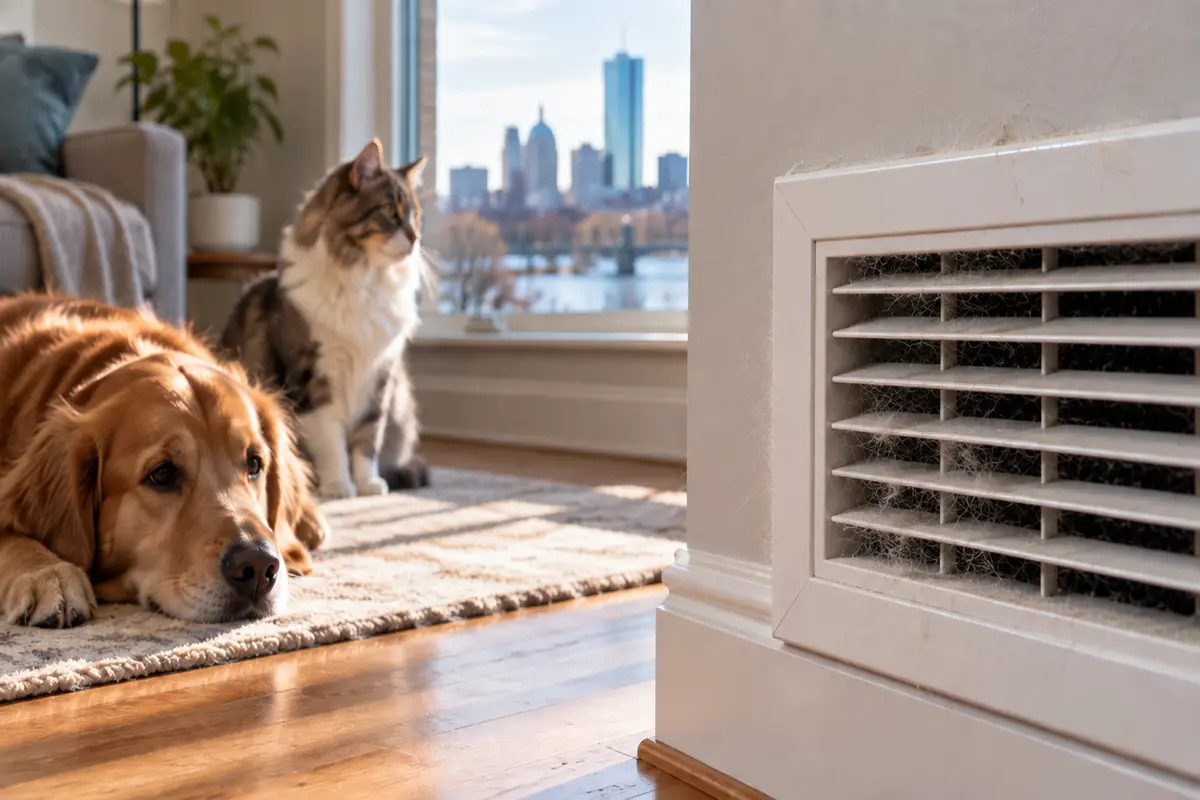
- Every 2–3 years for homes with pets, allergy-sensitive residents, or nearby construction
- Immediately after any water damage, mold discovery, pest infestation, or major renovation near the air handler
- At the time of a new HVAC installation, if the old system’s plenum wasn’t already cleaned or replaced
DIY vs. Professional Cleaning
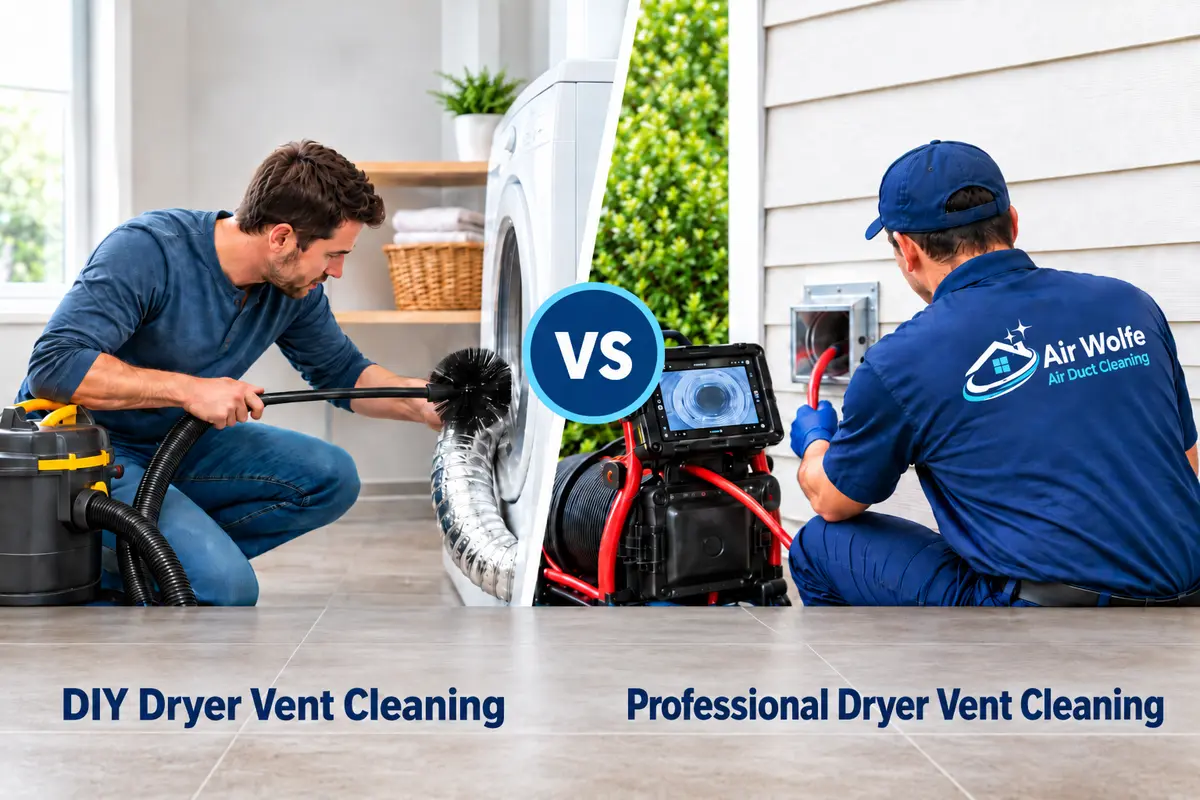
Homeowners can absolutely handle basic maintenance, swapping filters on schedule, vacuuming visible dust from accessible register covers, and keeping the area around the air handler clear. What DIY cannot do is safely and effectively clean the plenum itself.
Here’s why: the plenum requires negative-air containment to prevent dislodged debris from blowing further into the ductwork or back into the living space. Without HEPA-filtered vacuum equipment creating that pressure differential, a shop vac or brush can actually push more contamination into the system than it removes. Reaching the plenum also often means removing or accessing panels near live electrical connections and refrigerant lines, not a place for improvised tools.
When DIY is fine: routine filter changes, keeping equipment areas clear, basic visible register cleaning. When to call a professional: any plenum-level work, mold-like growth, persistent odor, or airflow problems that don’t resolve with a filter change.
Cost Factors
Plenum cleaning is typically priced as part of a full duct cleaning service rather than as a standalone line item, but several factors affect the total cost:
- System size and number of plenums (some homes have multiple air handlers, each with its own supply and return plenum)
- Access difficulty (a plenum buried behind finished walls or in a cramped crawlspace takes longer than one with a clear access panel)
- Contamination severity (light dust vs. caked debris, mold-like growth, or pest damage)
- Whether sanitizing or antimicrobial treatment is needed
- Whether insulation liner replacement is required inside the plenum
- Bundling with dryer vent cleaning, which is often more cost-effective than booking services separately
Because pricing varies by home and system condition, we recommend a flat-rate quote after a brief inspection rather than guessing over the phone. Air Wolfe provides transparent, flat-rate pricing before any work begins, with no surprise add-ons once the crew is on-site.
Common Myths About Plenum Cleaning
Myth: “Duct cleaning automatically includes the plenum.” Not always; always confirm this in writing before booking.
Myth: “If I can’t see dust in my vents, the plenum is clean.” The plenum is typically not visible without opening an access panel, so a clean-looking vent tells you very little about plenum condition.
Myth: “Cleaning the plenum will cure my allergies.” It can reduce one contributing source, but allergies have many indoor and outdoor causes; a clean plenum is one part of a broader air quality picture, not a guaranteed cure.
Myth: “Any duct cleaning company can safely clean a plenum.” Reaching and cleaning a plenum properly requires the right containment equipment and training; ask about NADCA-aligned practices and HEPA-filtered equipment before hiring.
Myth: “A musty smell always means mold in the plenum.” It’s a strong signal worth investigating, but confirmed identification of mold sometimes requires a closer inspection or lab analysis rather than assumption.
Frequently Asked Questions
- What is plenum cleaning?
Plenum cleaning is the professional removal of dust, debris, mold-like growth, and buildup from the supply and/or return plenum, the central metal chamber connecting your furnace or air handler to your home’s ductwork. - Is plenum cleaning the same as air duct cleaning?
No. Air duct cleaning covers the branch ducts and registers throughout the home; plenum cleaning specifically targets the central distribution chamber. A complete service should include both. - How do I know if I have a supply or return plenum problem?
Dust blowing from vents usually points to a dirty return plenum (before filtration), while airflow or temperature imbalance issues can point to a restricted supply plenum. A technician inspection can confirm which. - Can a dirty plenum make my energy bills higher?
Yes. A restricted plenum forces your blower to work harder to move the same volume of air, which increases runtime and energy consumption. - Is mold in the plenum dangerous?
Visible mold-like growth should be addressed, since the plenum sits at the center of your air distribution system. The moisture source causing it should also be identified and fixed, not just the surface growth. - Will cleaning the plenum fix a musty smell in my house?
It often helps significantly if the plenum is the odor source, but persistent odors can also come from ductwork, the evaporator coil, or a moisture issue elsewhere in the system. - Does a new HVAC system need plenum cleaning?
Not immediately, but if the old plenum wasn’t replaced or cleaned during installation, contamination from the old system can carry over. Ask your installer directly. - How long does plenum cleaning take?
As part of a full duct cleaning appointment, most residential jobs take a few hours depending on system size, access, and contamination level. - Can I clean the plenum myself?
Basic filter changes and keeping the equipment area clear are fine for homeowners, but actual plenum cleaning requires HEPA-filtered negative-air equipment and training to do safely and effectively. - Does plenum cleaning help with pet dander and allergies?
It removes one significant source of trapped dander and dust that recirculates through the system, which can meaningfully reduce, though not eliminate, allergen exposure indoors. - Is plenum cleaning included in dryer vent cleaning?
No, these are separate systems entirely. Dryer vent cleaning addresses your dryer’s exhaust line; plenum cleaning addresses your HVAC system. Air Wolfe offers both as a bundled service for homeowners who want both handled in one appointment. - How much does plenum cleaning cost in Massachusetts?
Cost depends on system size, access, and contamination level. Air Wolfe provides a flat-rate quote after a brief assessment, so there are no surprise charges once work begins.
Final Takeaway
The plenum is the busiest, most contamination-prone junction in your entire HVAC system, and it’s also the part most duct cleaning services skip or gloss over. If you’re seeing dust at your vents, smelling something musty when the system runs, or you simply can’t remember the last time anyone looked inside your air handler’s plenum, it’s worth a real inspection rather than a guess.
Air Wolfe Air Duct & Dryer Vent Cleaning serves homeowners throughout Needham and Greater Boston with certified, insured, background-checked technicians, flat-rate transparent pricing, and a 100% satisfaction guarantee. We inspect the plenum as a standard part of every air duct cleaning appointment, not as an upsell, and can bundle it with dryer vent cleaning in a single visit.
Call (617) 991-6651 or email Info@airwolfeairductcleaning.com to schedule a free inspection and find out whether your plenum actually needs cleaning.