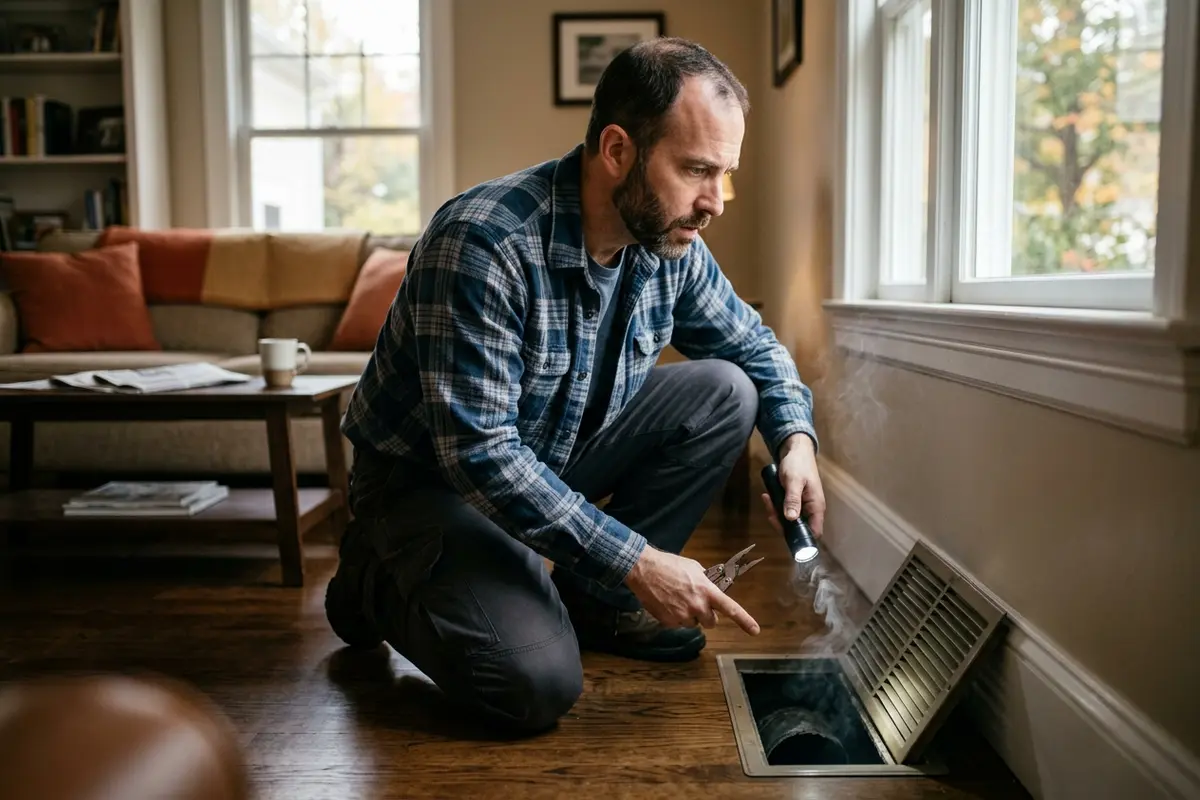
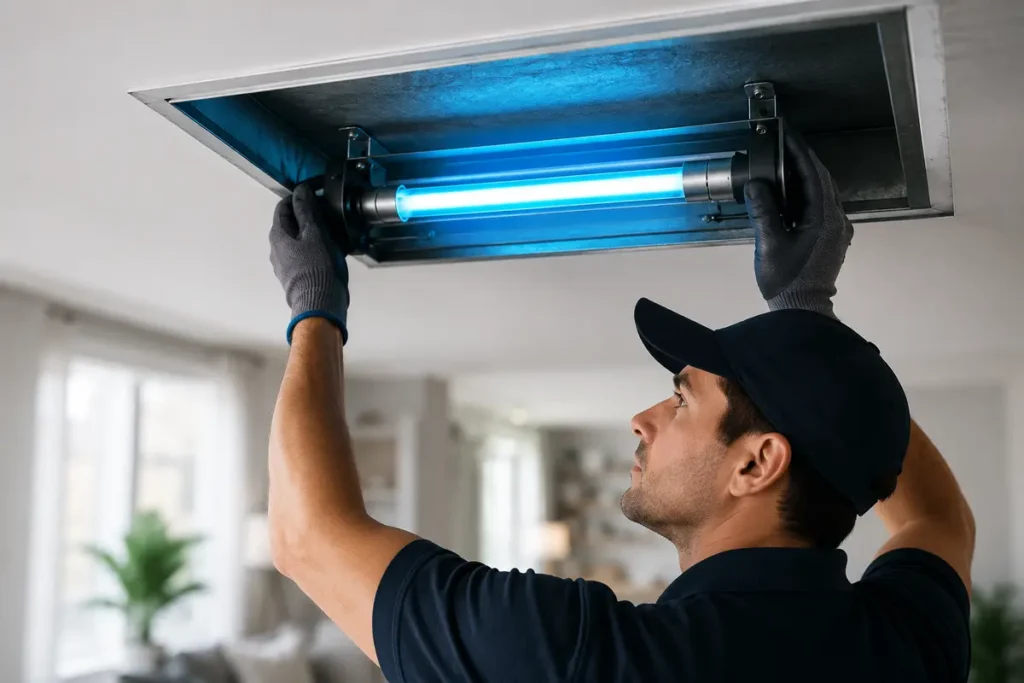
If a technician has offered to add a UV light to your ductwork, you’ve probably seen conflicting answers online; some sources call it essential, others call it a gimmick. At Air Wolfe Air Duct Cleaning, based in Needham, we get asked about this constantly by homeowners across Needham, Newton, and Boston, and the honest answer is that it depends entirely on which type of UV system you’re talking about. One version has solid evidence behind it. The other is often oversold. Here’s the real breakdown of how UV air purifiers for air ducts work, which type actually earns its cost, and what they can’t do no matter how good the marketing sounds.
How UV Air Purifiers for Air Ducts Actually Work
UV air purifiers use UV-C light, a specific wavelength of ultraviolet light between roughly 200 and 280 nanometers, to damage the DNA of bacteria, viruses, and mold spores, preventing them from reproducing. The concept is sound, and it’s the same underlying technology used in hospital sterilization. The question isn’t whether UV-C light kills microorganisms. It’s whether your specific installation gives it enough time and intensity to actually do that before the air moves past it. Regular air duct cleaning services can also help remove dust and debris that may reduce airflow or interfere with how effectively your HVAC system operates.
That last part is where a lot of marketing glosses over the real physics. Air commonly moves through ductwork at several hundred feet per minute, and bacteria and viruses generally need extended exposure time to be meaningfully inactivated. A weak bulb with air rushing past it for a fraction of a second is a very different scenario than the same light shining continuously on a stationary, damp coil surface.
The Two Types of UV Air Purifiers for Air Ducts You Need to Know
This is the distinction almost every generic article blends, and it’s the single most important thing to understand before spending money.
Coil-sterilization UV lights mount near the evaporator coil inside the air handler and run continuously, shining directly on that one surface. Because the coil is a fixed, damp, dark spot where mold and biofilm actually grow, this is where UV light has real, well-supported evidence: it keeps the coil clean, which improves airflow and system efficiency and reduces musty odors. This is the more affordable, more commonly recommended option, and it’s the one most HVAC professionals suggest first.
Air-sterilization UV lights install inside the ductwork itself, aiming to disinfect the moving air stream as it passes through. This is the version with weaker real-world evidence; air moves too quickly past most residential-grade bulbs for meaningful microbial kill rates, unless the system uses a high-output lamp and a duct design that slows or extends air exposure time. This type costs significantly more and delivers a less certain return.
If someone quotes you a “whole-duct UV sanitizing system” without explaining which type it is or how your specific ductwork achieves adequate exposure time, ask directly. The coil version is the one with the stronger track record. The same principle applies when evaluating other HVAC recommendations, especially if you’re wondering is air duct cleaning a scam or whether a suggested service is actually addressing a real problem. Look for specific evidence of contamination, airflow issues, or other measurable problems rather than paying for a service based only on vague claims.
What UV Air Purifiers for Air Ducts Can’t Do
Even a well-installed UV system has real limits worth knowing before you buy:
They don’t remove dust, pollen, or physical debris. UV light inactivates biological growth; it doesn’t capture or remove particulate matter. A UV system paired with a weak filter still leaves dust and allergens circulating.
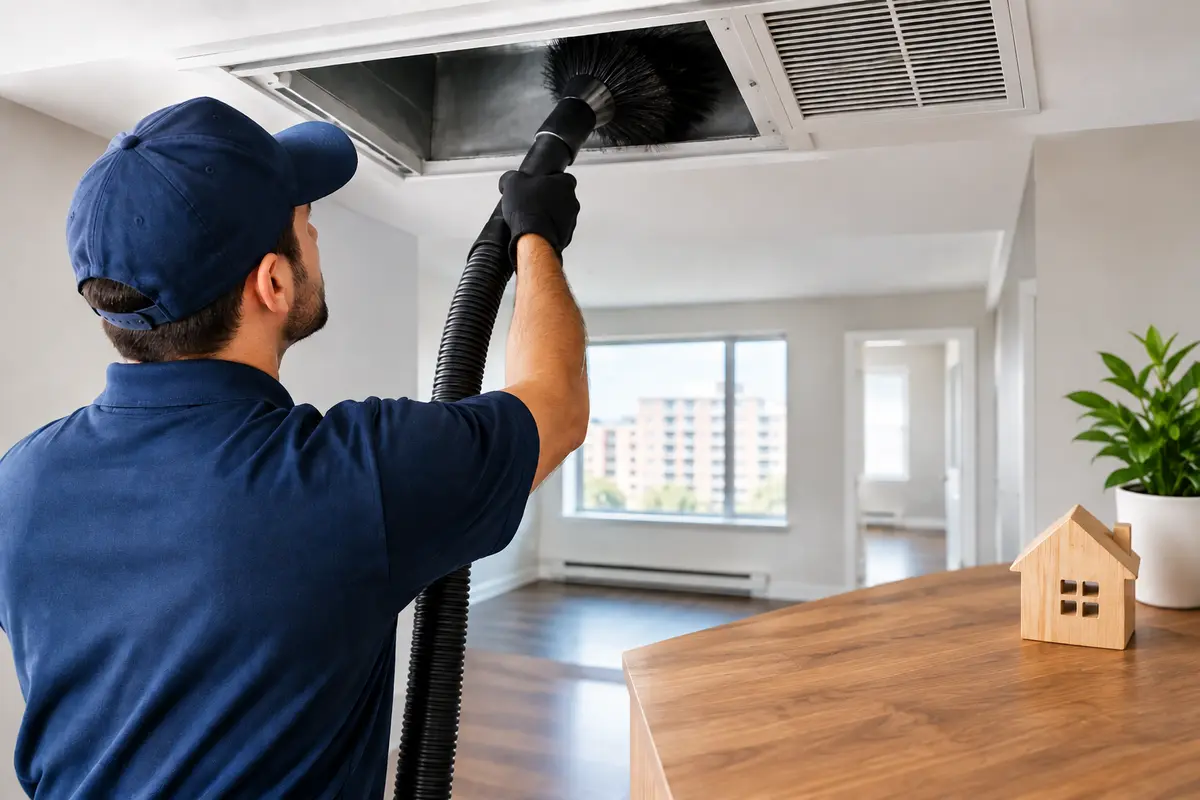
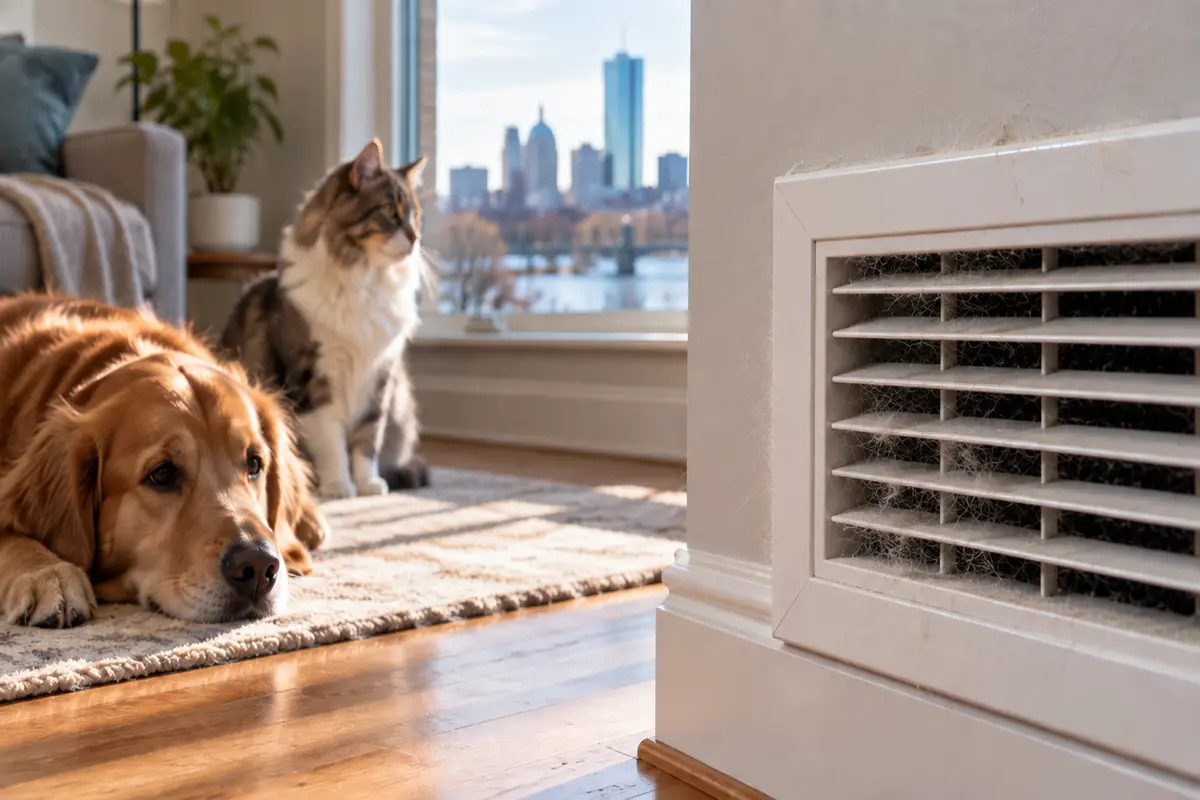
They don’t replace duct cleaning. UV light addresses microbial growth going forward; it does nothing about lint, dust, pet dander, or debris that’s already built up inside your ductwork. Installing a UV light in dirty ducts is treating future growth while ignoring the existing problem. If your ductwork has significant buildup, HVAC air duct cleaning can address the debris and airflow restrictions that a UV system cannot.
Some models generate ozone, which the EPA specifically warns against. The EPA has stated that consumers should avoid air purifiers that emit ozone, including some UV, ionizing, and electrostatic models. Confirm any UV product you’re considering is ozone-free before installation.
Bulbs lose effectiveness long before they stop glowing. UV-C bulbs typically need replacement every 9 to 14 months. A bulb can continue producing visible light well past the point where its germicidal output has dropped, meaning a homeowner can have a system that looks like it’s working while providing little actual benefit.
Cost of UV Air Purifiers for Air Ducts in Needham Homes
Coil-sterilization UV lights typically run $300 to $600 installed, including the unit and labor, making them the more common and affordable choice. Air-sterilization systems that treat the full moving air stream run considerably higher, typically $700 to $1,200 installed, given the more powerful bulbs and more involved ductwork modification required. Combination systems that do both run in a similar higher range. Beyond installation, plan on $50 to $150 per year for bulb replacement, since skipping this maintenance step means paying for a system that’s no longer doing its job.
For homes in Needham and the surrounding area with damp basements or a history of musty odors near the air handler, a common issue given New England’s humid summers, a coil-sterilization light is a reasonable, relatively low-cost addition. It’s worth far less consideration as a substitute for anything else on your HVAC maintenance list. If you’re comparing the cost of UV treatment with cleaning the existing buildup in your ductwork, you can also review air duct cleaning cost in Needham to see what factors typically affect the price of professional cleaning.
Is a UV Air Purifier for Air Ducts Worth It for Your Home?
A UV light is worth adding if:
- You’ve had recurring musty odors or visible mold near the evaporator coil.
- Your home has a damp basement or crawlspace with a history of humidity issues.
- Someone in the household has mold-sensitive allergies or asthma.
- You want the coil-sterilization type specifically, not the pricier air-stream version, unless a technician can show your system supports adequate exposure time.
It’s not the right fix if you’re expecting it to:
- Remove dust, pet dander, or general household allergens. That’s primarily a filtration job, and the EPA’s guide to air cleaners in the home explains how filtration and technologies such as UVGI serve different roles.
- Replace the need for periodic duct cleaning.
- Solve a persistent odor or air quality issue without first confirming the actual source.
FAQs
Do UV air purifiers for air ducts actually kill germs?
Coil-sterilization UV lights have solid evidence supporting their effectiveness at controlling mold and bacterial growth on the evaporator coil, where air moves slowly enough for meaningful exposure. Air-stream UV systems are less consistently effective because air often moves too quickly past the bulb for full disinfection.
Are UV air purifiers for air ducts safe?
Yes, when installed correctly and shielded from direct skin or eye exposure. Choose an ozone-free model, since the EPA specifically advises against air purifiers that generate ozone as a byproduct.
How much does a UV air purifier for air ducts cost?
Coil-sterilization systems typically run $300 to $600 installed. Air-sterilization systems that treat the full moving air stream typically run $700 to $1,200 installed, plus annual bulb replacement costs of $50 to $150.
Do UV air purifiers for air ducts replace the need for duct cleaning? No. UV light addresses future microbial growth, but it does nothing to remove existing dust, lint, or debris already inside the ductwork. The two services address different problems.
How often do UV bulbs need to be replaced?
Most UV-C bulbs need replacement every 9 to 14 months. The bulb can continue producing visible light well after its germicidal effectiveness has dropped, so replacement should follow the manufacturer’s schedule rather than waiting for the light to visibly fail.
Considering a UV System, or Just Want Your Ducts Cleaned First?
Air Wolfe Air Duct Cleaning serves Needham, Newton, Boston, and the rest of Greater Boston with honest guidance, including telling you when a UV add-on makes sense and when it doesn’t. If it’s been a while since your ducts were actually cleaned, that’s the place to start regardless of what else you add. Call (617) 991-6651 or email Info@airwolfeairductcleaning.com to schedule an inspection.