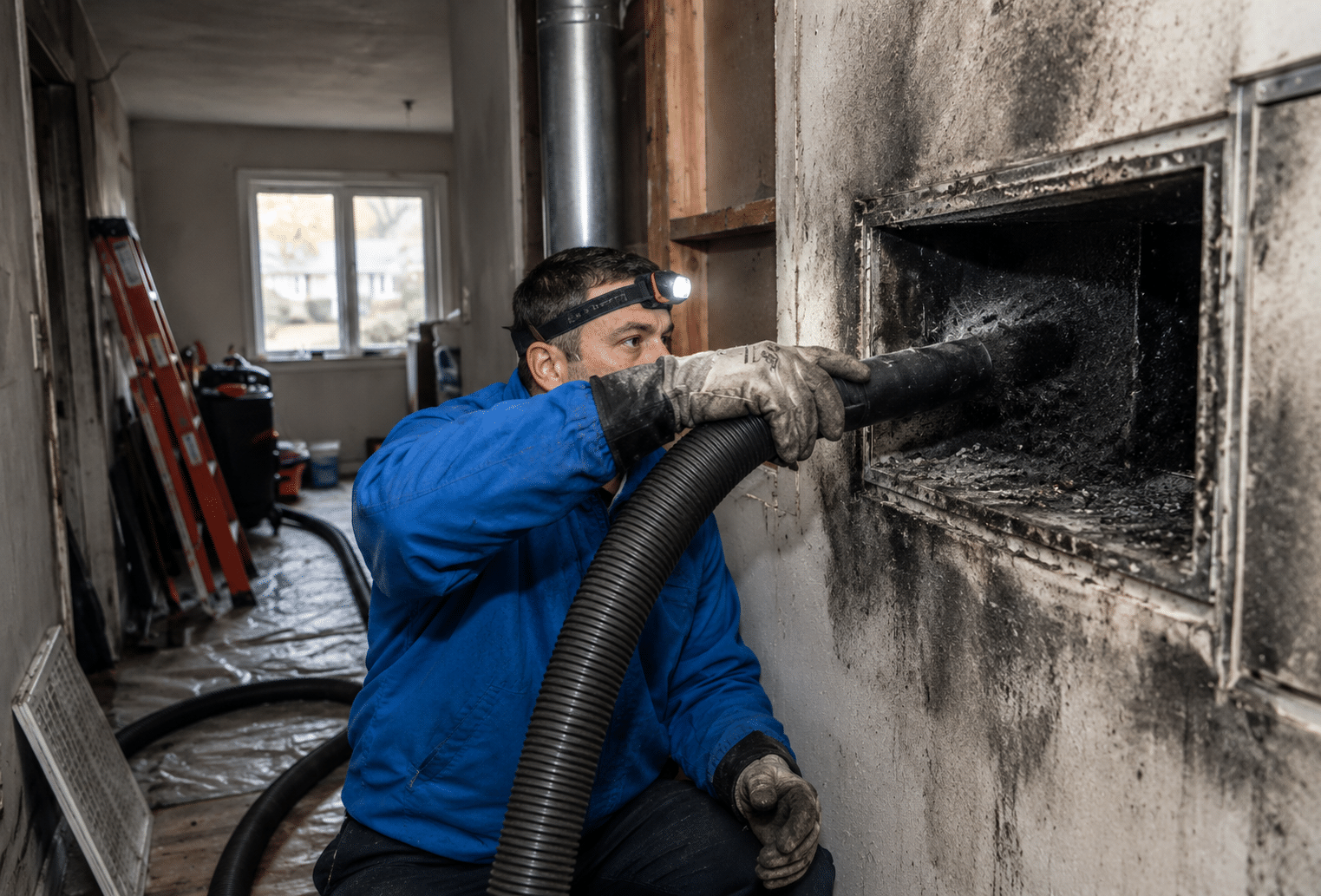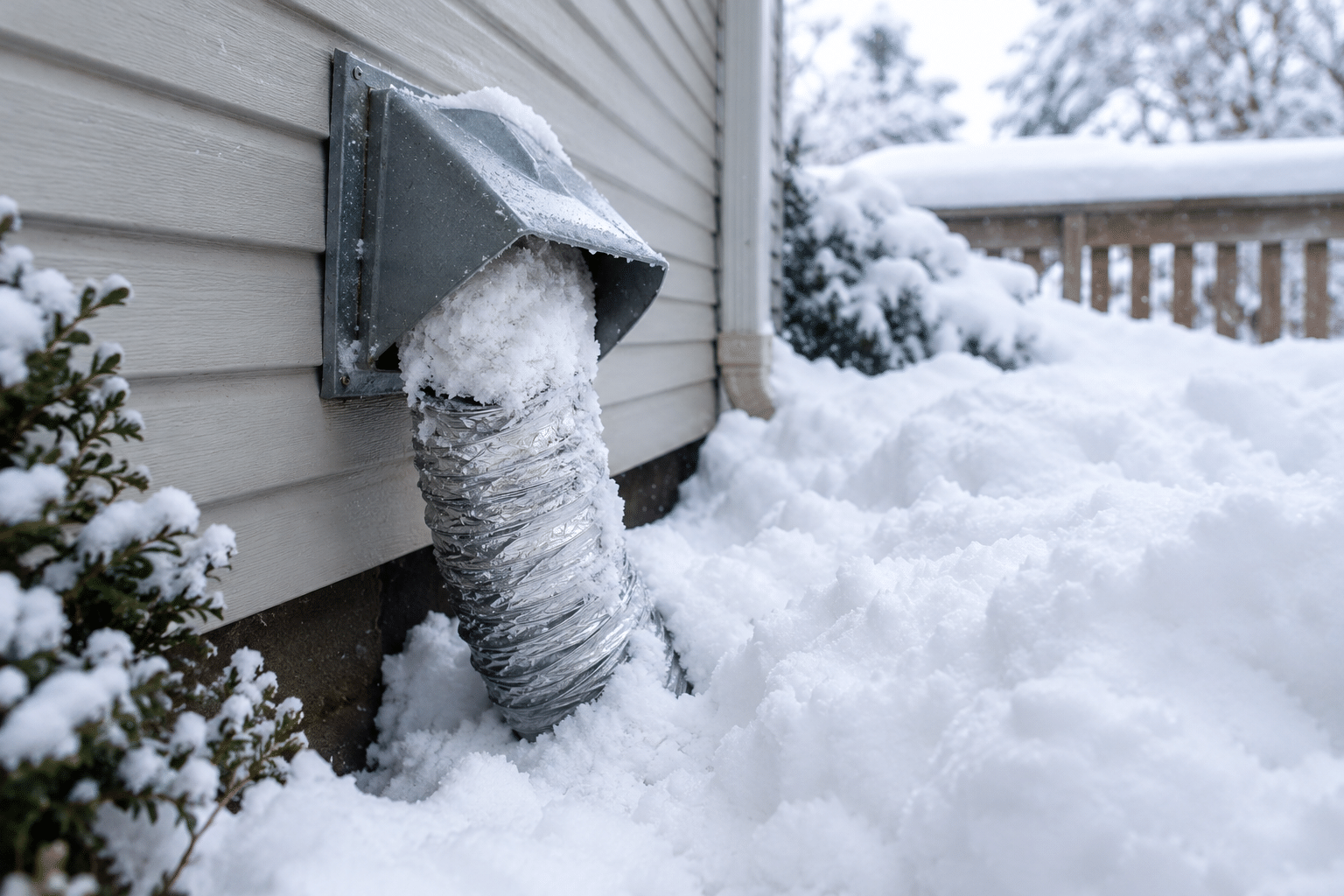
Flex duct cleaning can remove accumulated dust and debris when the ductwork is in suitable condition and the cleaning method follows manufacturer guidance. For homeowners in Needham, MA, professional air duct cleaning services should begin with an inspection. Brittle liners, damaged connections, or wet insulation may require repair or replacement before cleaning can proceed. Unlike rigid metal ductwork, flexible ducts have a thin inner liner that can be damaged by overly aggressive tools. Understanding their condition helps you choose the right service and avoid paying to clean sections that need replacing.
What Makes Flexible Air Ducts Different?
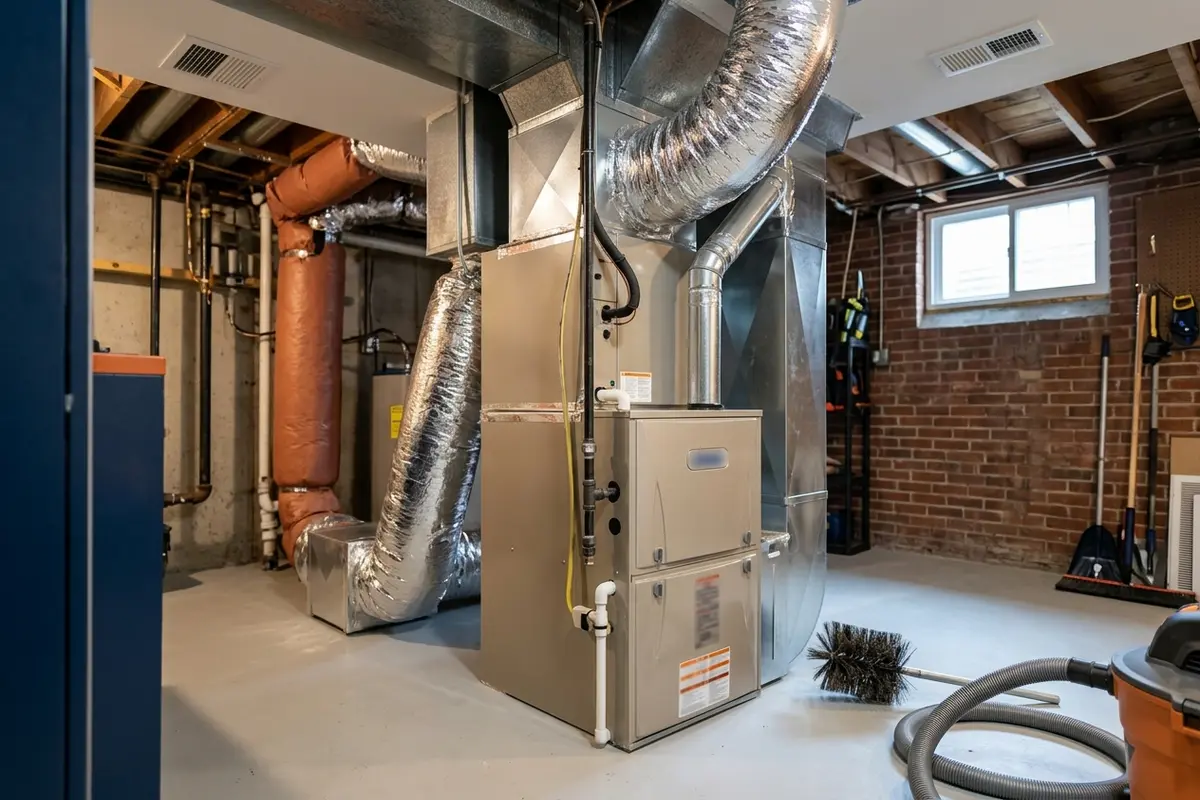
Insulated flexible ductwork typically has three main layers:
- Inner liner: A flexible material supported by a spiral wire framework. Air travels through this passage.
- Insulation: Material surrounding the liner that helps limit heat transfer.
- Outer jacket: A protective covering that helps keep moisture out of the insulation.
These layers serve different purposes. A torn inner liner affects the air passage, while damage to the outer jacket can expose the insulation to moisture. Because flexible ducts bend around obstacles, they can serve rooms where installing rigid ductwork would be difficult. However, sharp bends, compressed sections, and unsupported runs can restrict airflow. Cleaning cannot correct these installation problems.
When Can Flex Ducts Be Cleaned Safely?
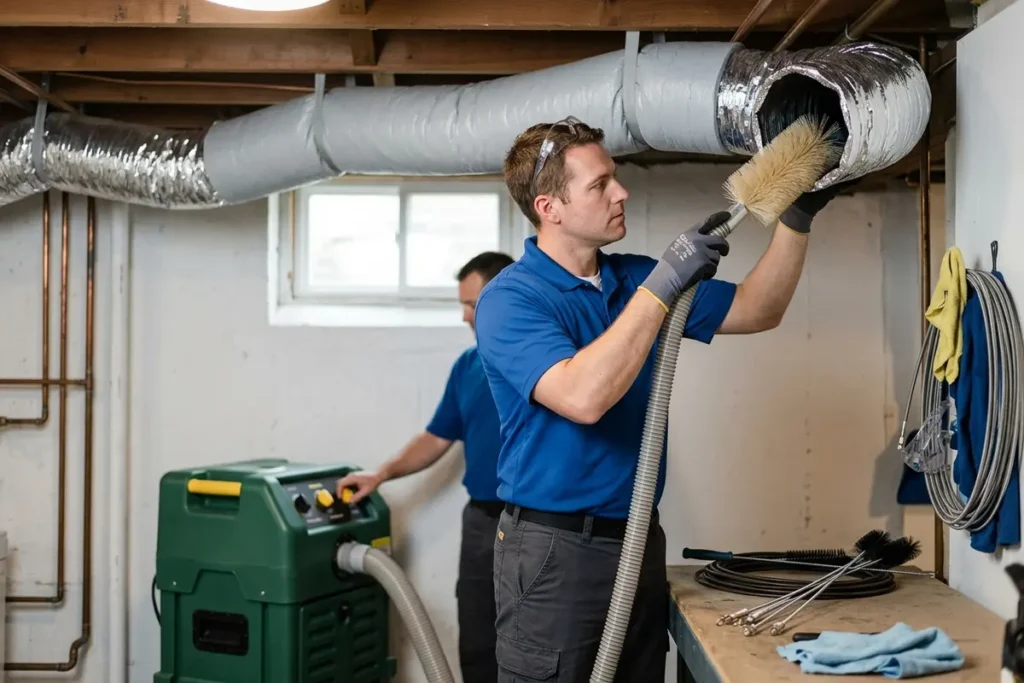
Cleaning may be appropriate when an inspection finds accumulated debris inside ductwork with an intact liner and sound connections. Both the cleaning tools and their application matter. ATCO, a flexible duct manufacturer, reports that a rotating-brush-and-vacuum process performed under NADCA procedures removed dirt without apparent liner damage during its evaluation. It also warns that aggressive techniques can damage flexible ducts. Before scheduling cleaning, arrange an air duct inspection to assess:
- The condition of accessible liners and jackets.
- Loose, damaged, or disconnected joints.
- Moisture and insulation damage.
- Crushed sections, excessive bends, or sagging.
- The type and extent of contamination.
The inspection should establish whether cleaning is needed and which sections can tolerate the proposed method.
Signs Your Ductwork Needs Attention
Dust, odors, or weak airflow can justify an inspection, but they do not automatically mean your ducts need cleaning. For example, a room with limited airflow might have a blocked register, a compressed duct, or a disconnected branch. A musty smell could come from moisture elsewhere in the HVAC system.
Consider a professional assessment if you notice:
- Debris repeatedly blows from supply registers.
- Visible damage to accessible flexible ducts.
- Evidence of rodents or insects.
- Persistent odors when the system operates.
- A noticeable change in airflow to particular rooms.
- Water staining or damp insulation around ductwork.
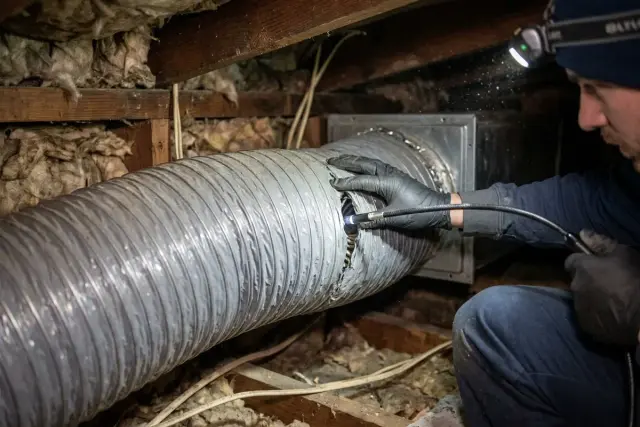
Light dust on a register alone does not establish that the entire system needs cleaning. Ask the contractor to show you the conditions supporting their recommendation.
Cleaning vs. Repair vs. Replacement
The right approach depends on the problem found during inspection.
Duct condition | Possible next step |
Intact liner with substantial accumulated debris | Cleaning using an appropriate method |
Loose or disconnected connection | Reconnection and sealing |
Crushed, kinked, or poorly supported run | Installation correction or replacement |
Brittle or extensively torn inner liner | Replacement of the affected section |
Wet or moldy insulation | Replacement and correction of the moisture source |
Light dust without other concerns | Monitoring and routine HVAC maintenance |
EPA advises replacing insulation that has become wet or moldy because it cannot be effectively cleaned. The underlying moisture problem must also be addressed to prevent recurrence. If an inspection identifies suspected contamination, discuss whether duct mold cleaning is suitable for the affected materials or whether replacement is necessary.
Does Older Flex Duct Always Need Replacing?
Age alone does not determine whether ductwork needs replacement. Installation quality, physical condition, moisture exposure, and manufacturer recommendations all matter. The Air Duct Council recommends considering replacement when evaluating cleaning, particularly for systems over 15 years old. However, it does not identify 15 years as a universal lifespan; its guidance says properly installed flexible ducts should last for the life of the dwelling. An inspection provides a stronger basis for the decision than age alone.
What a Professional Flex Duct Cleaning Process Should Include
A suitable cleaning plan begins with assessment and ends with verification.
1. Inspect and Explain the Findings
The technician should identify accessible duct materials, document damage, and explain what needs cleaning. Ask about any areas that cannot be reached or inspected.
2. Select Methods for the Duct Condition
Tools should suit the product, its condition, and manufacturer guidance. Negative-pressure collection can be appropriate for flexible duct systems when the cleaning protocol is selected after assessment. NADCA rejects the blanket claim that negative-air cleaning cannot be used on flex ducts.
3. Remove Debris With Controlled Collection
The process should loosen and collect debris while limiting its release into occupied rooms. Ask how the contractor will protect furnishings and handle the vacuum exhaust.
4. Check Connections and Document Results
Connections opened during cleaning should be properly resealed. Before-and-after photographs of accessible areas can help show what was removed and identify remaining repair needs.When comparing professional air duct cleaning services, request a written scope describing the components included, access limitations, and any separate charges.
Why DIY Cleaning Can Damage Flexible Ductwork
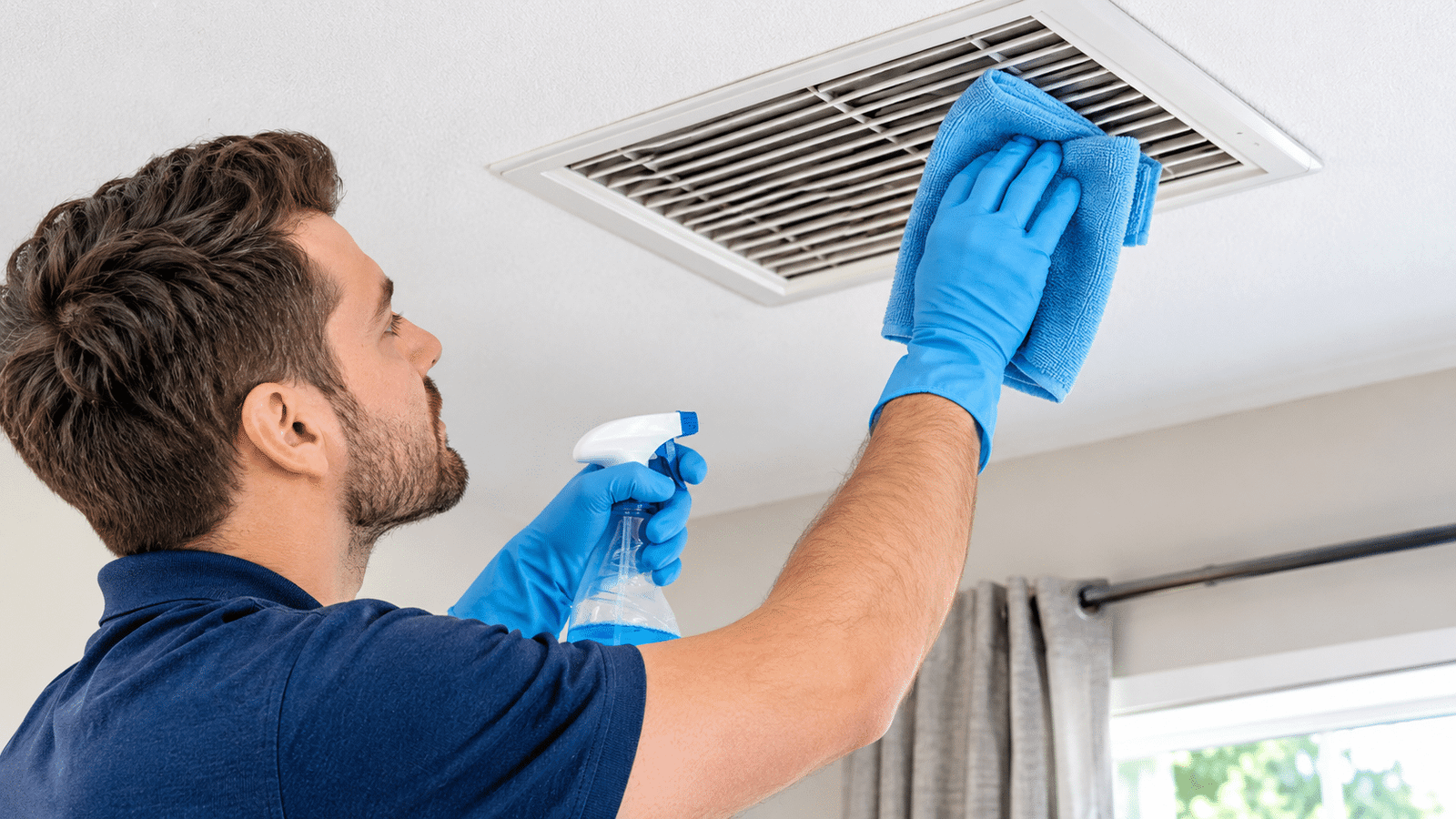
Pushing a broom, rigid vacuum attachment, or unsuitable powered brush into a flexible duct can puncture or abrade the liner. Hidden bends also make it difficult to see where a tool is making contact. Homeowners can clean accessible register covers and replace filters according to HVAC manufacturer instructions. Deeper cleaning requires an understanding of the duct material and its condition. Avoid spraying household cleaners or adding moisture inside the system without appropriate product and manufacturer guidance. If the liner is already damaged, further disturbance may make the problem worse.
What Cleaning Can and Cannot Do
Cleaning can remove accumulated debris from suitable ductwork. It does not repair leaks, straighten crushed runs, or resolve every source of indoor dust.It should not be sold as a guaranteed treatment for allergies, headaches, or other health concerns. EPA states that duct cleaning has not been shown to prevent health problems. Evidence that cleaning ducts alone improves HVAC efficiency is also limited. For Needham homeowners, a broader maintenance approach includes suitable filtration, regular filter changes, moisture control, and attention to damaged connections or restricted airflow.
What Affects Flex Duct Cleaning Costs in Needham?
The scope of the job matters more than the duct material alone. Pricing may depend on:
- The number of HVAC systems and duct branches.
- Access through attics, crawl spaces, or finished areas.
- The amount and type of debris.
- Duct condition and required precautions.
- Which HVAC components are included.
- Repairs or replacement recommended separately.
Review theseair duct cleaning cost factors in Needham, MA and request an itemized estimate before work begins.
Schedule a Flex Duct Assessment in Needham, MA
Unsure whether your flexible ducts need cleaning or replacement? Contact Air Wolfe Air Duct Cleaning to discuss an inspection for your Needham home. Understanding the condition of your ductwork is the first step toward choosing the right service.
Frequently Asked Questions
Can flexible ducts in my Needham home be cleaned without damage?
They may be suitable for cleaning if their liners and connections are sound. An inspection should determine whether the proposed tools and collection method are appropriate for the ductwork.
How often should flex ducts be cleaned in Needham, MA?
There is no universal schedule for every home. EPA recommends cleaning as needed rather than routinely. An inspection can establish whether substantial debris, pests, or other conditions justify service.
Does a musty smell mean my Needham ductwork has mold?
No. Musty odors can have several sources, including damp insulation, drainage problems, or moisture elsewhere in the system. The source should be investigated before recommending treatment.
Should I replace all the flex ducts in my Needham home if one section is damaged?
Not necessarily. An isolated damaged section may be replaceable while sound sections remain in use. The recommendation should reflect the condition of the wider system.
Will cleaning fix weak airflow in my Needham home?
It may help if accumulated debris is causing a restriction. Weak airflow can also result from damaged ducts, poor installation, filter problems, or equipment issues that cleaning will not resolve.
What should I ask a flex duct cleaning contractor in Needham, MA?
Ask what the inspection found, which tools will enter the flexible runs, what the quoted scope includes, and how results will be documented. Also ask how damaged sections will be handled