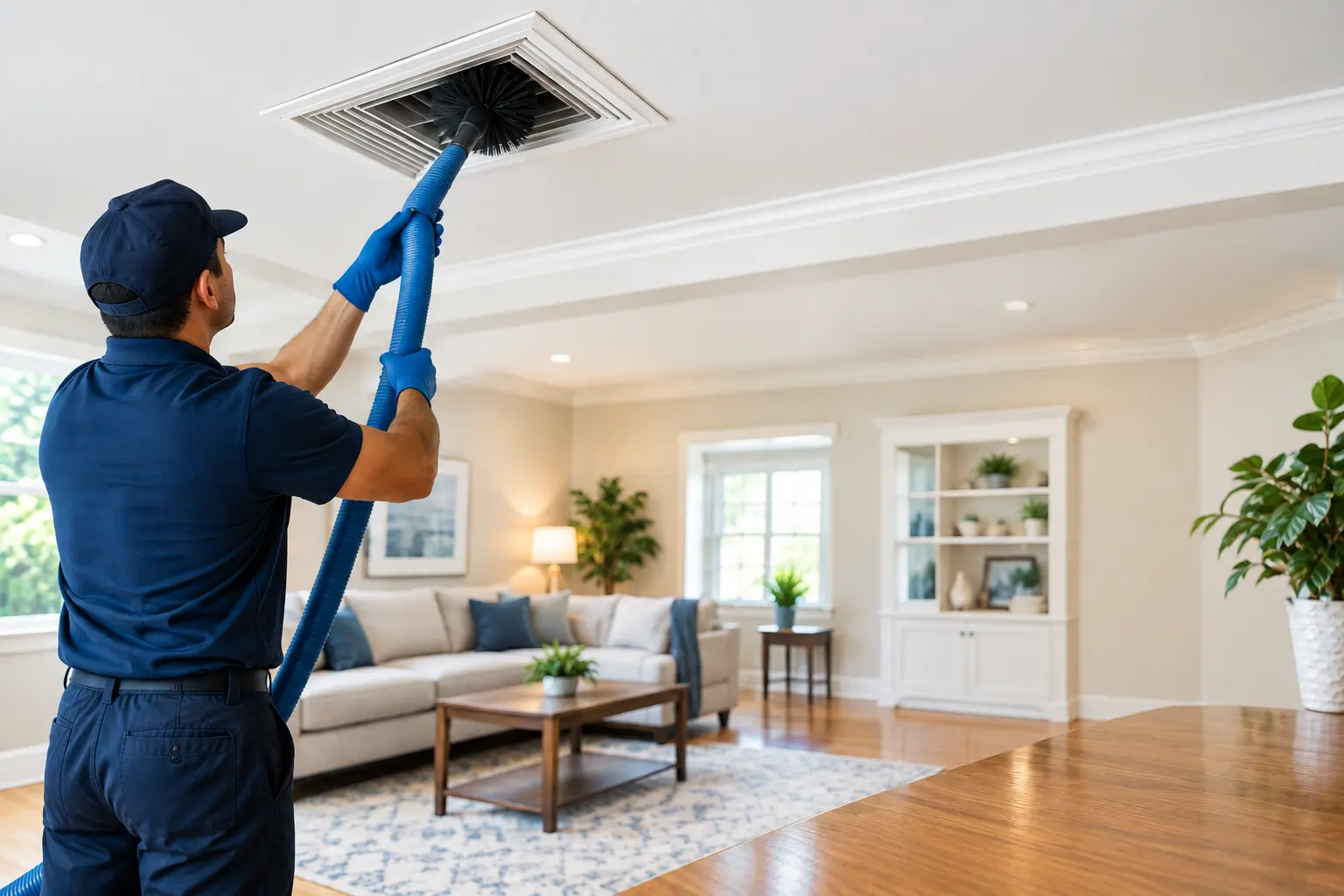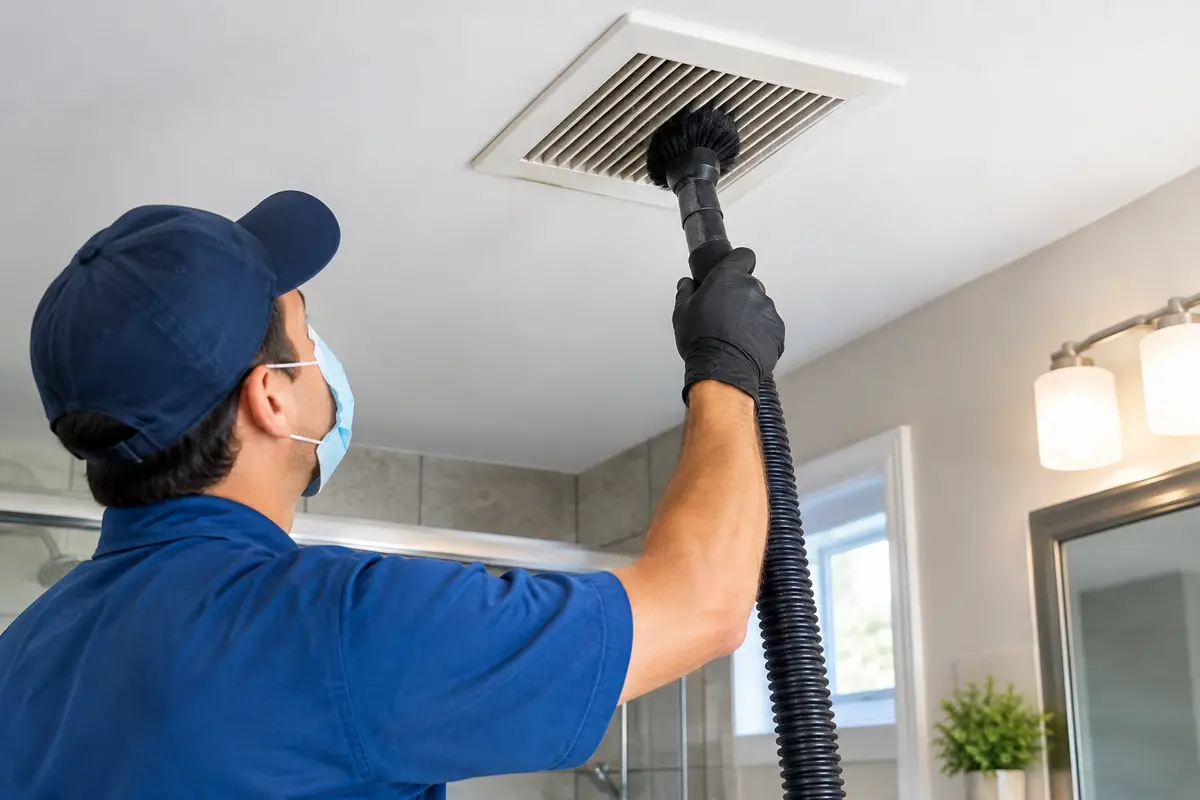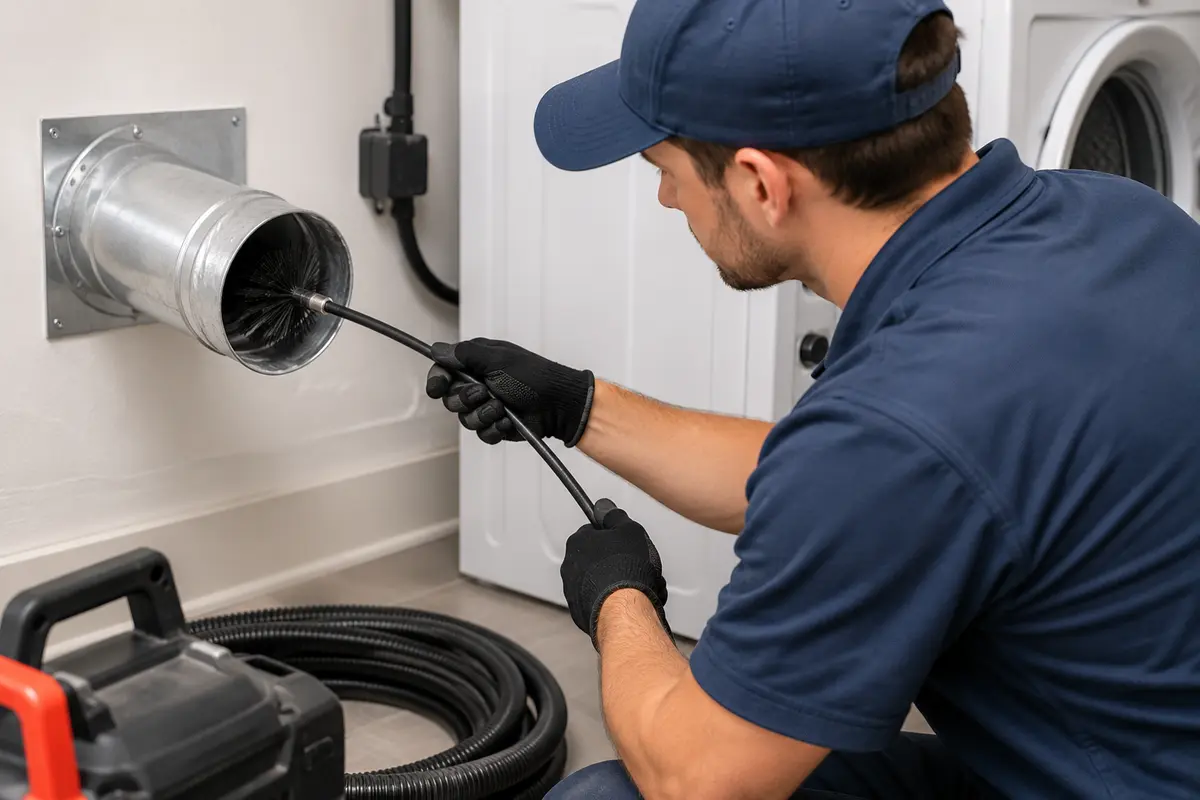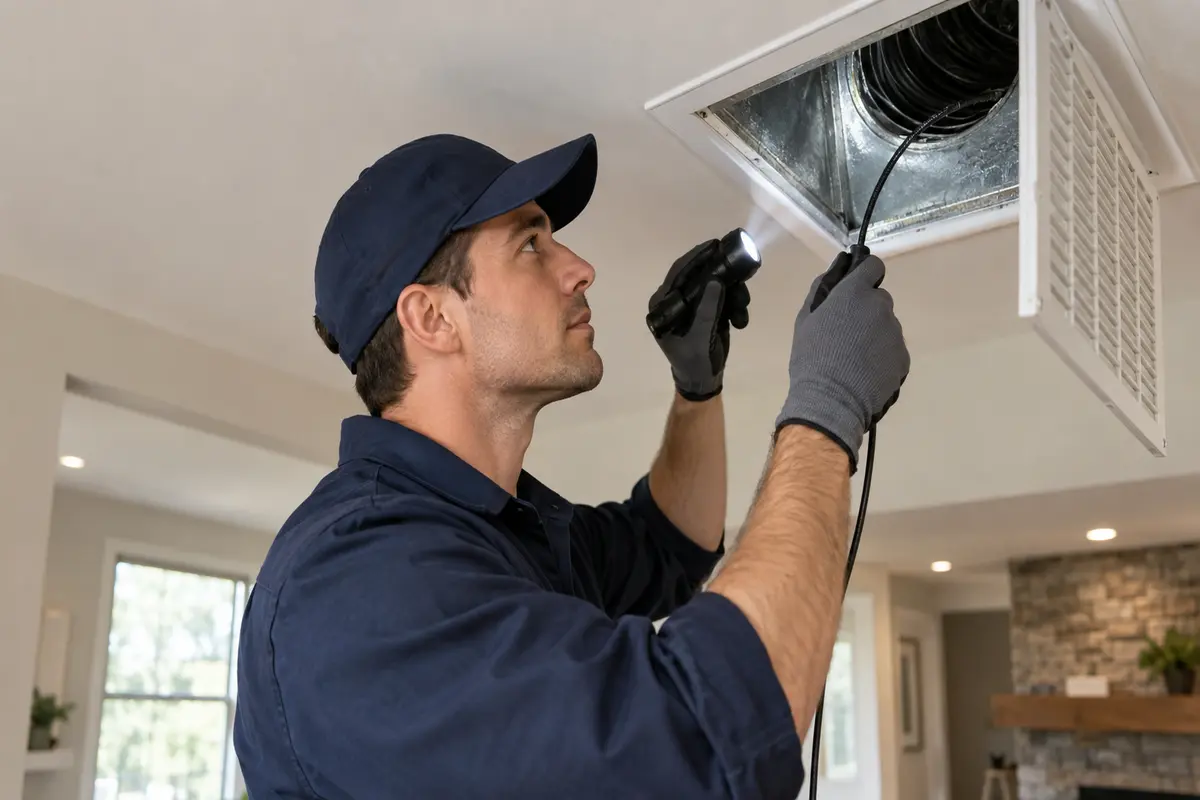
A home purchase means signing off on a hundred little unknowns, and your air ducts are one of the easiest to overlook. At Air Wolfe Air Duct Cleaning, we’ve helped many new homeowners discover that years of hidden dust, debris, and allergens can be sitting inside a home’s ductwork long before move-in day. Yes, you should clean air ducts when buying a home, especially since you have no real way of knowing what the previous owners did, or didn’t do, over the years. Air Wolfe’s professional air duct cleaning service gives new homeowners a clean slate before moving day, literally.
Your inspector checked the roof and the foundation, probably the wiring too. Nobody checked what’s living inside your ductwork.
Here’s what nobody tells first-time buyers. A standard home inspection rarely includes the ductwork, not in any real detail anyway. Inspectors check that vents exist and that air comes out of them. They’re not pulling covers off to look inside, and they’re definitely not testing for what’s built up over ten or twenty years of a stranger’s life in that house.
Kind of unsettling once you think about it, honestly.
Real estate agents rarely bring it up either, and it’s easy to see why. Ductwork isn’t glamorous. It doesn’t show up in listing photos, and it doesn’t add curb appeal. But it’s one of the few things in a house that touches literally every room, every day, whether anyone thinks about it or not. It’s easy to walk through an open house admiring crown molding and never once think about what’s behind the vent covers.
The section below covers what a duct inspection actually reveals in older or previously owned homes, whether pre-purchase cleaning is worth the money, and what a few real closing stories say about skipping it. You’ll also learn why scheduling professional air duct cleaning before moving in can improve indoor air quality, reduce hidden contaminants, and give your family a healthier, fresher start in your new home.
What Does a Home Inspection Duct Check Actually Cover?
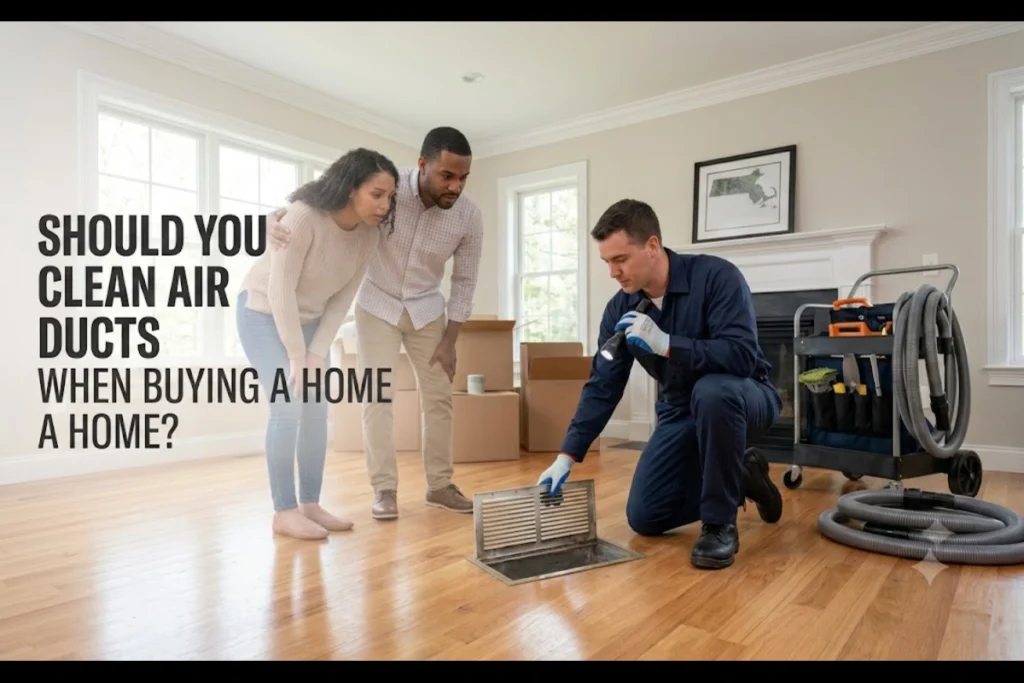
A home inspection duct check, if it happens at all, usually stops at a visual glance. Your inspector might peek into a supply vent with a flashlight and call it good. That’s not the same as pulling a camera through the whole system.
What a Real Inspection Would Show
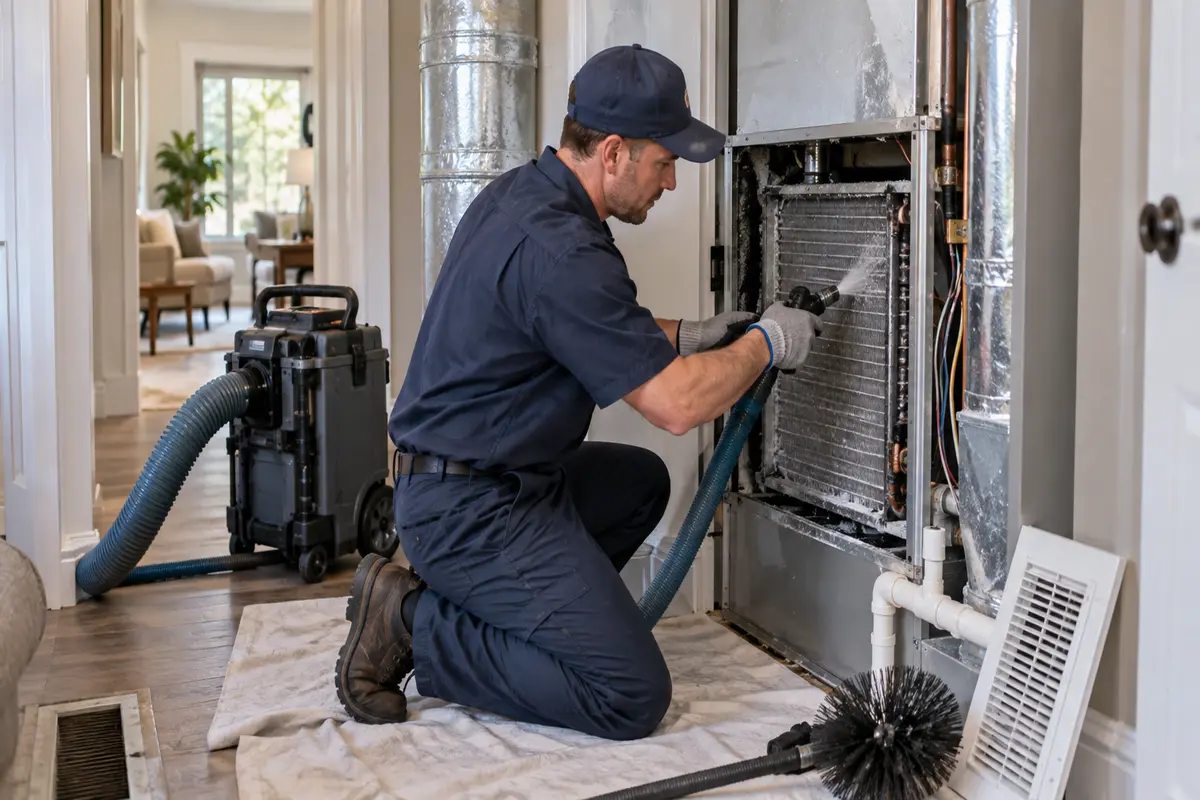
Air Wolfe Air Duct Cleaning sees this exact scenario constantly with new movers. A thorough look inside older ductwork often turns up things a glance misses entirely. Years of dust, sure, but also pet hair from animals you never met, sometimes even evidence of rodents. None of it’s usually dangerous on its own. All of it belongs to someone else’s life, not yours.
Questions Worth Asking Your Inspector
A few direct questions can save you a surprise later. Most inspectors will give you an honest answer if you simply ask them outright, since it’s not really part of their standard checklist anyway.
• Did you visually check inside the ductwork, or just the vent covers?
• How old does the HVAC system appear to be?
• Did you notice any signs of pests, moisture, or mold near the vents?
Should You Clean Air Ducts When Buying a Home Before Closing?
Pre-purchase air duct cleaning rarely shows up on a closing checklist. That’s exactly why it gets skipped so often. Homebuyers spend so much energy negotiating price and inspection repairs that ductwork never even enters the conversation. This is especially important if the home was recently remodeled, as air duct cleaning after renovation can remove drywall dust, sawdust, insulation particles, and other construction debris that often settles inside the HVAC system.
A couple in Quincy closed on a 1960s colonial last spring, thrilled with the hardwood floors and updated kitchen. Three weeks in, both of them were sneezing constantly, worse than either had ever experienced. A duct inspection revealed the previous owner’s two cats had lived there for over a decade, and nobody had touched the ductwork since. One cleaning later, the sneezing stopped.
Cost tends to be the sticking point, especially right after a closing that already drained your savings. A standard cleaning for an average-sized home usually runs a few hundred dollars, depending on the number of vents and how the system’s laid out. It helps to weigh that against months of allergy symptoms, a system straining under old debris, or discovering mold behind a vent cover a year later. The math tends to favor doing it early.
A cleaning scheduled before closing, or right after, gives you the cleanest possible start. Every day you put it off means another day of breathing someone else’s dust.
Why Does New Homeowner Indoor Air Quality Depend on Ductwork?
New homeowner indoor air quality starts the moment you turn on the HVAC system for the first time, whether you realize it or not. Every cycle pulls air through the same ducts the previous owners used for years, sometimes decades. Fresh paint and new furniture don’t change what’s sitting behind the walls.
It’s an easy trap to fall into, thinking a renovated kitchen or refinished floors mean the whole house is truly new. Cosmetically, sure. Structurally, the bones of the house, including its ductwork, carry every previous owner’s history with them, good and bad.
A few specific things tend to carry over from the previous household.
• Dust and debris from the previous household
• Pet dander left behind by former pets
• Mold spores from past humidity issues
• Odors trapped in the system from cooking, smoking, or pets
What Do a Previous Owner’s HVAC Habits Tell You?
Previous owner’s HVAC habits leave fingerprints all over a duct system, whether they meant to or not. Some homeowners change filters religiously and schedule cleaning every few years. Others forget the system exists until it breaks.
A technician inspecting a home in Brockton found filters so old the model number had faded off completely. The listing agent had no idea how long the system had gone unmaintained. A quick cleaning and filter change told a very different story than the seller’s disclosure had.
Sellers aren’t required to disclose HVAC maintenance history in most cases, and even when they try, memory gets fuzzy after a few years. A seller might genuinely believe the system was serviced recently when it’s actually been five or six years. Nobody’s lying, necessarily. People just lose track of maintenance the same way they lose track of when they last rotated their tires.
When Should You Clean Air Ducts When Buying a Home?
The right timing matters more than people assume. A cleaning scheduled before you move furniture in makes the job faster and gives technicians full access to every vent.
• Right after closing, before move-in day
• Before running the HVAC system for the first time
• Immediately if you notice odors during the walkthrough
• Within the first month if scheduling before move-in isn’t possible
Indoor air quality affects your health from day one in a new home, not just after you’ve settled in. The Environmental Protection Agency notes that people spend the vast majority of their time indoors. That fact alone makes what’s circulating through your vents worth taking seriously. A clean start costs less than most other move-in expenses.
So should you clean air ducts when buying a home? Almost always, yes, and it’s one of the cheapest ways to start fresh in a new house. It’s a small line item compared to everything else that goes into a move, and it’s one of the few that actually improves the air you breathe every single day going forward. You can contact Air Wolfe Air Duct Cleaning today to schedule a cleaning before your first day in your new home.
Frequently Asked Questions
- Does cleaning air ducts actually improve indoor air quality?
It depends on the ducts. The EPA notes that a light layer of household dust in ductwork isn’t proven to cause health problems on its own. But visible mold, heavy pet dander, rodent debris, or construction dust left behind by a previous owner are different situations entirely. In those cases, a cleaning removes contamination a filter alone can’t reach, and most homeowners notice a real difference. - Should you clean air ducts before or after moving in?
Before, if your schedule allows it. Technicians get full access to every vent without furniture in the way, and you avoid breathing in anything trapped in the system from day one. If timing doesn’t cooperate, book it within the first few weeks, ideally before you run the HVAC system for an extended stretch. - How much does duct cleaning cost when buying a house?
Most homes run a few hundred dollars for a standard cleaning, though the exact price shifts based on the number of vents, duct length, and how the system is laid out. Larger homes or systems with heavy buildup can cost more. Always get a written estimate before booking, and treat rock-bottom flat-rate ads with some skepticism. Those rarely cover a full, thorough job. - Do brand-new construction homes need air duct cleaning too?
Often, yes. New construction generates a surprising amount of drywall dust, sawdust, and insulation debris, and a lot of it ends up inside the ductwork before the HVAC system is ever properly tested. A quick inspection after your final walkthrough tells you whether cleaning is worth it before you settle in. - Does a standard home inspection check the air ducts?
Not usually, and not in any real detail. Most inspectors confirm that vents are present and that air flows through them. That isn’t the same as a genuine duct inspection. If duct condition matters to you, ask your inspector directly or bring in a separate HVAC technician before closing. - Can you clean air ducts yourself before moving in?
Only the parts you can physically reach, and that’s a small fraction of the whole system. A household vacuum can’t generate the negative pressure needed to pull debris out of ductwork running behind walls or through an attic. DIY effort handles visible vent covers well enough, but it won’t replace a professional job for anything deeper in the system. - How do you know if the previous owners ever had the ducts cleaned?
It helps to ask directly, though sellers usually aren’t required to disclose HVAC maintenance history, and records are often incomplete anyway. A quick way to check yourself involves removing a vent cover and looking inside with a flashlight. Heavy buildup, visible pet hair, or a musty smell are all decent indicators it’s been a while. - What happens if you skip duct cleaning after buying a home?
Nothing dramatic right away, in most cases. But you’ll be breathing whatever the previous household left behind, indefinitely, every time the HVAC system runs. Over time, that tends to mean more dust around the house, stronger allergy symptoms for sensitive household members, and a system working slightly harder than it really needs to.