Not necessarily, and it’s worth understanding why before booking either service. Coil cleaning and air duct cleaning address different parts of your HVAC system, use different tools and techniques, and one doesn’t automatically cover the other. Air Wolfe Air Duct Cleaning gets this question often enough from homeowners comparing quotes that it’s worth laying out plainly: what each service actually does, how to tell which one your system needs, and when it genuinely makes sense to schedule both.
What’s the Difference Between Coil Cleaning and Duct Cleaning?
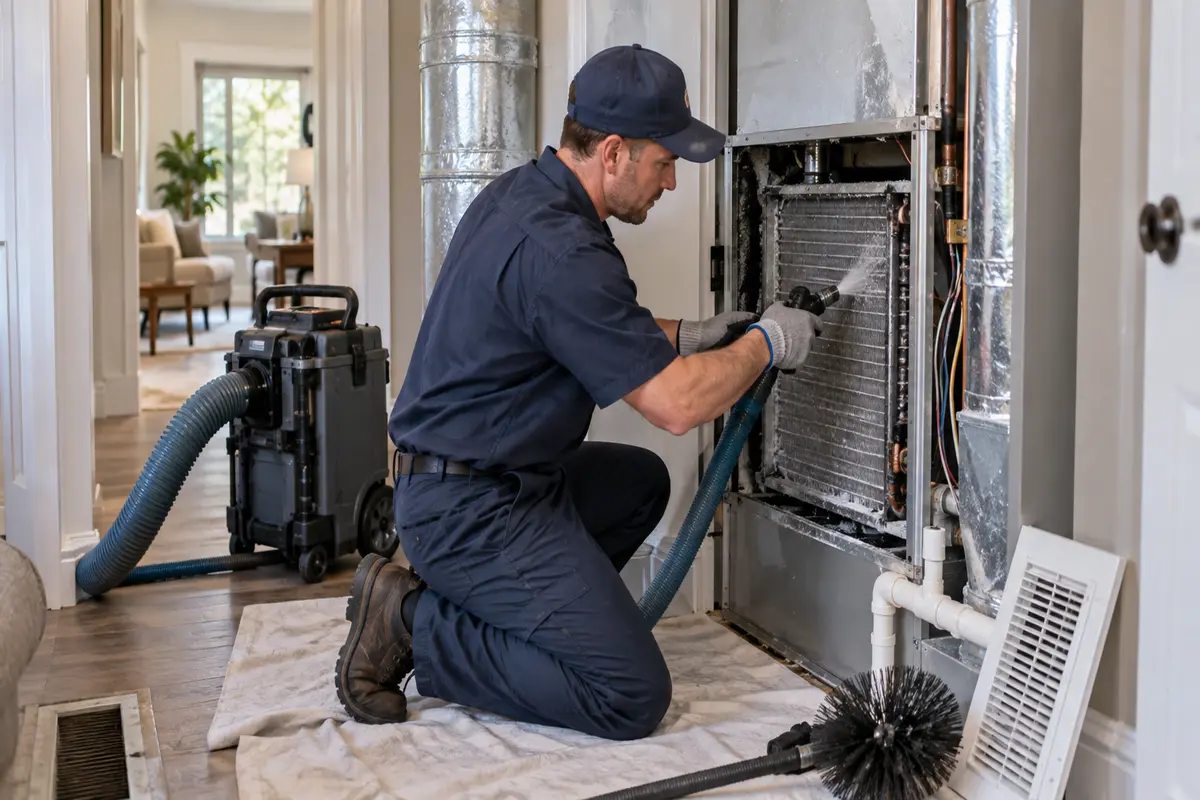
The evaporator coil sits inside your air handler and is where the actual cooling happens; warm air passes over the cold coil, moisture condenses, and the cooled air gets pushed into your ductwork. Because that coil is constantly wet while the system runs, it’s prone to a different kind of buildup than the rest of the system: biofilm, mold, and fine dust that sticks to the damp surface rather than blowing past it.
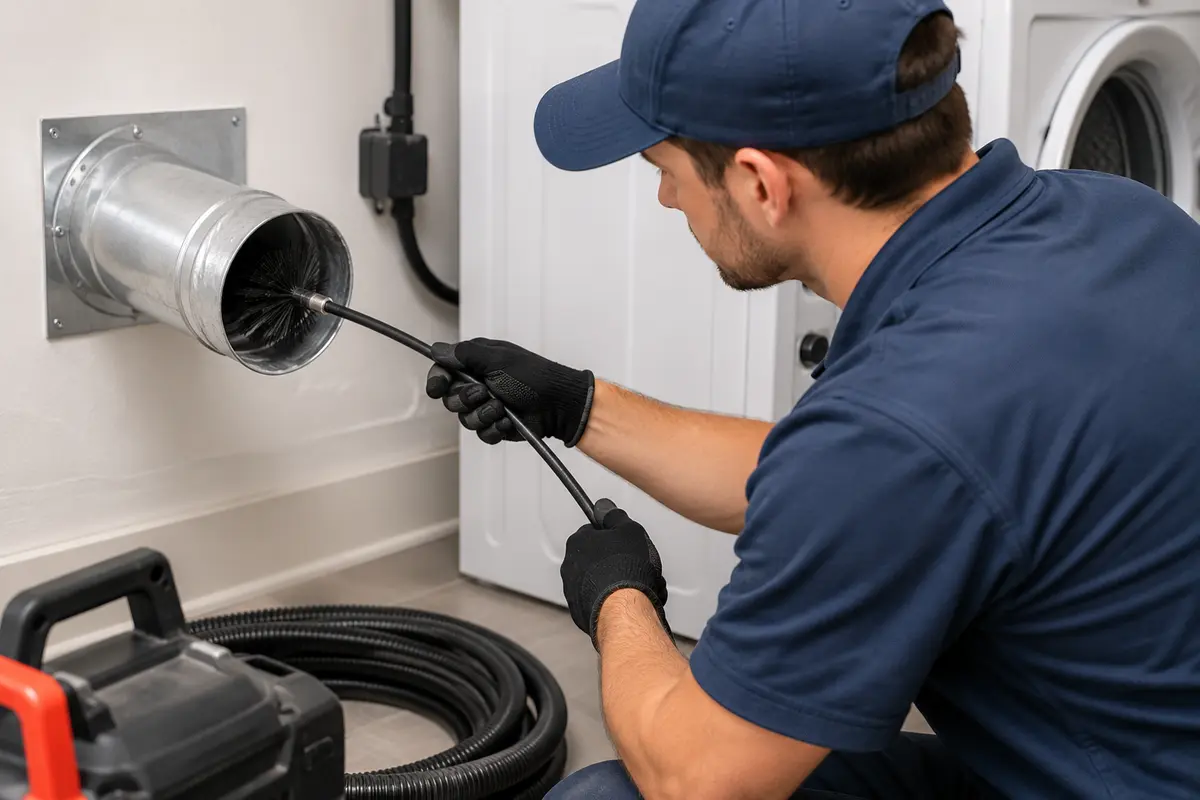
Ductwork, by contrast, is the distribution network, the metal or flexible channels that carry that conditioned air from the air handler to every room in the house. Dust, debris, and sometimes rodent or insect activity accumulate along the ducts’ interior walls over months and years. Still, it’s dry buildup, not the damp, film-like contamination found on a coil.
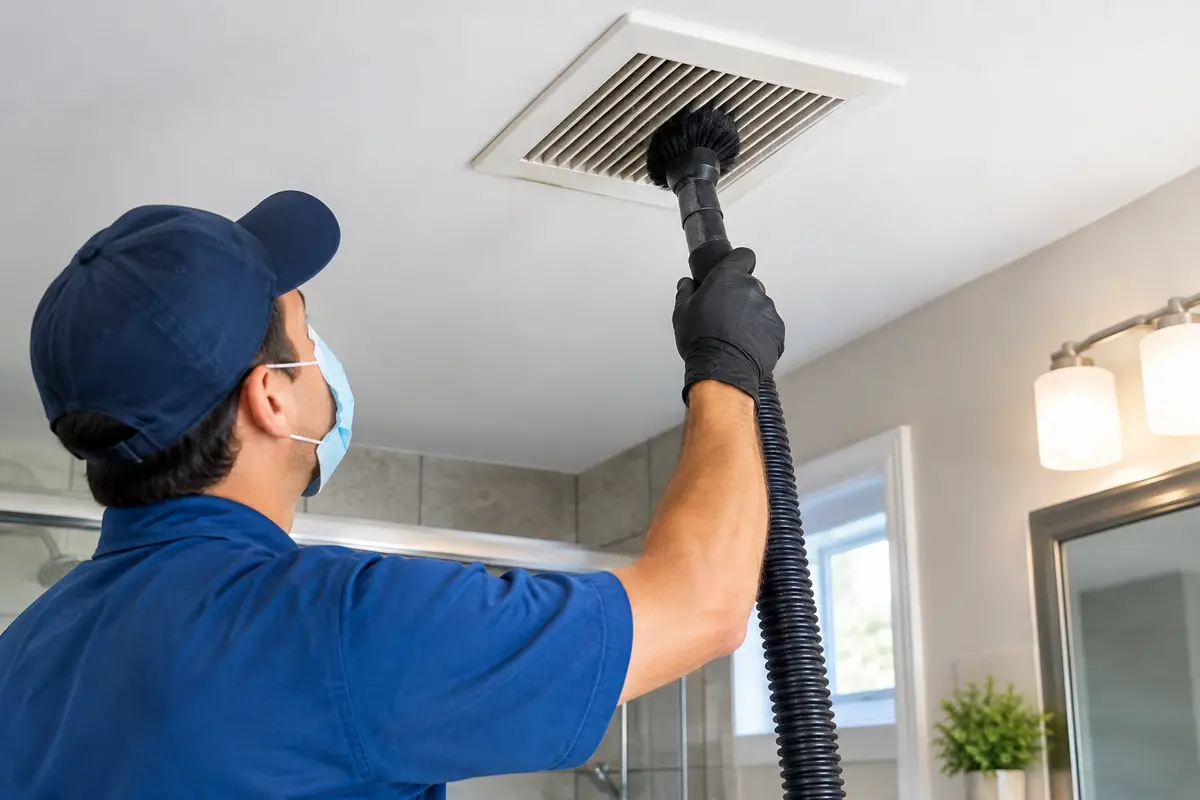
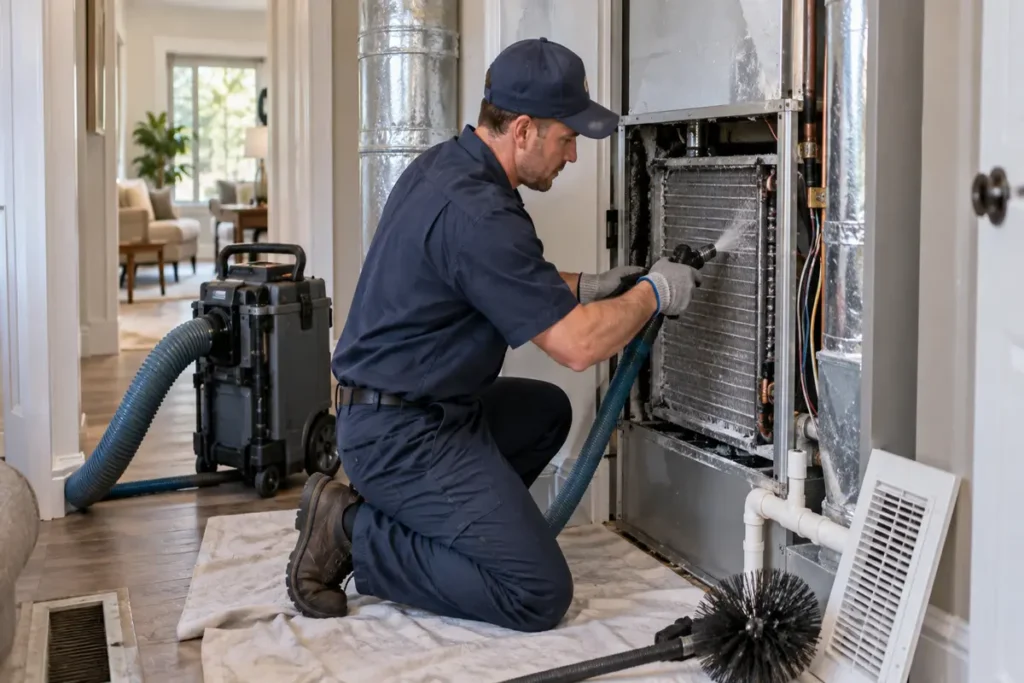
Because the contamination differs, the cleaning process does too. Coil cleaning typically involves specialised chemical treatments and a careful low-pressure rinse designed not to bend the coil’s thin aluminium fins. Duct cleaning uses negative-pressure equipment and mechanical agitation to dislodge and extract debris from the full length of a duct run. This method does nothing for film-like buildup on a coil, and vice versa.
Signs Your Coil Needs Cleaning vs Signs Your Ducts Need Cleaning
Homeowners often can’t tell which part of the system is actually the problem, since some symptoms overlap. A few signs point more clearly in one direction than the other.
Coil contamination usually shows up as:
- Noticeably weaker cooling even though the system is running
- Rising energy bills without a matching increase in usage
- A musty or sour smell concentrated right at the indoor unit
- Ice forming on the coil itself.
Duct contamination usually shows up as:
- Visible dust or debris blowing out of vents
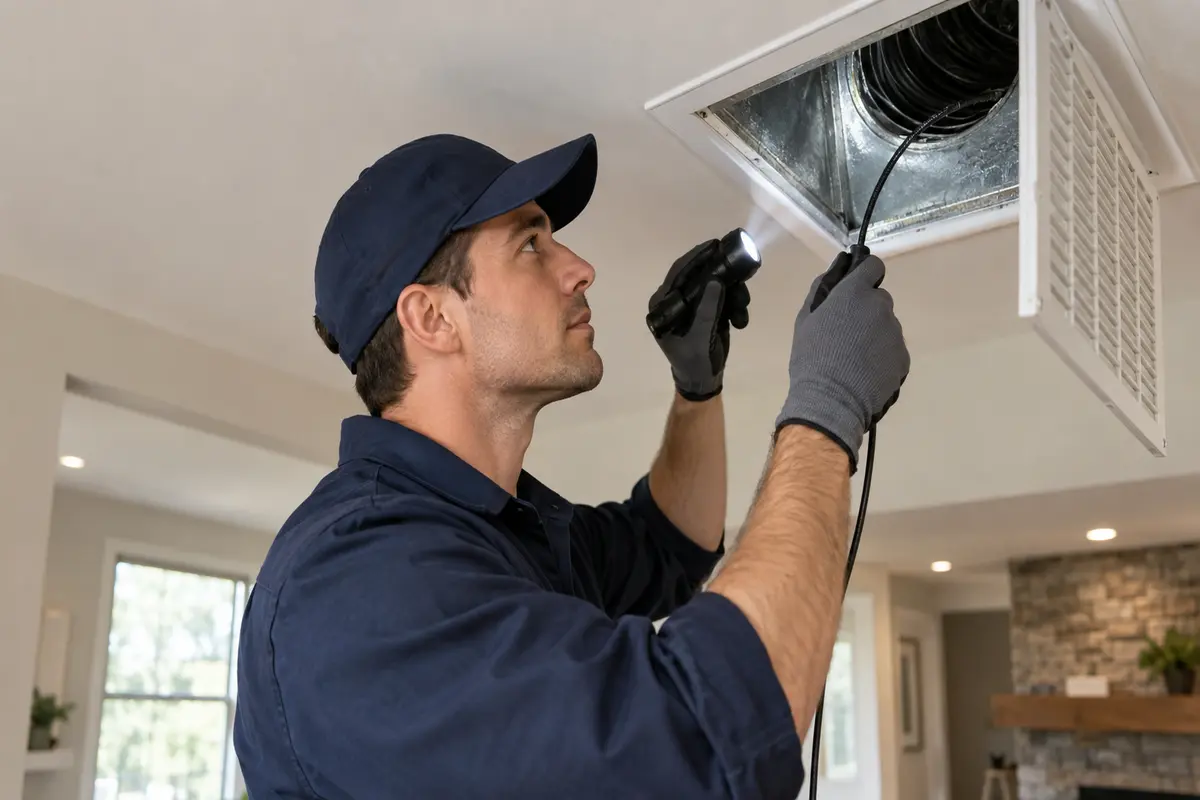
- Dark streaking or buildup visible when you remove a vent cover
- Dust settling noticeably faster on surfaces throughout the house.
If the smell or performance issue seems to originate at the unit itself rather than travelling through the vents, that points toward the coil. If it’s more about what’s coming out of the registers, air duct cleaning is the more likely fix.
Does Cleaning My Air Ducts Also Clean the Coils?
No. This is the most common misconception homeowners have when comparing the two services. A standard duct cleaning addresses the ductwork itself and does not include opening up the air handler to service the coil. An HVAC technician typically cleans the coil as part of routine system maintenance, using tools and chemical treatments specific to that component, not a duct cleaning company as part of a standard service.
That distinction matters when you’re comparing quotes. If a duct cleaning estimate seems unusually low compared to others, confirm exactly what’s included, since a thorough duct cleaning and a coil cleaning are genuinely separate scopes of work.
Do You Need Both Services?
Sometimes, yes. The National Air Duct Cleaners Association notes that evaporator and condenser coils and the surrounding ductwork function as connected parts of the same air circuit, and contamination in one area often affects the other over time. A system that’s gone years without any attention to either component is a reasonable candidate for both services.
That said, needing both isn’t automatic just because a system is old or hasn’t been serviced recently. A more reliable approach is to assess each component separately: have a technician check the coil directly and do a visual duct inspection on the distribution side, rather than assuming both need work based on age alone.
How to Coordinate Coil and Duct Cleaning Without Duplicating Work
Because these are two different scopes of work, two different types of providers usually handle them. An HVAC company services the coil as part of a seasonal tune-up or repair visit, while a duct cleaning company like Air Wolfe handles the distribution side separately. Scheduling them separately, rather than expecting one appointment to cover both, avoids the confusion of paying for a service that doesn’t include what you actually needed.
If a duct inspection shows signs of coil contamination, flag it so you can follow up with an HVAC technician, rather than assuming the duct service will resolve it. Keeping the two services distinct actually makes it easier to know exactly what’s been addressed and what still needs attention.
Coil and Duct Buildup in Massachusetts Homes
Greater Boston’s humid summers push evaporator coils harder than a dry climate would, since the coil has to remove more moisture in addition to cooling. Homes that run central air heavily from June through September are good candidates for an annual coil check as part of regular AC maintenance, separate from whatever duct-cleaning schedule the home is on.
For more detail on how a clean distribution system affects overall cooling performance, duct cleaning’s role in cooling efficiency is worth a closer look, since it explains the duct side of the efficiency picture in more depth.
NADCA’s guidance on coil cleaning covers the maintenance side in more technical detail for anyone comparing providers or trying to understand what a proper coil service should include.
Frequently Asked Questions
- Does duct cleaning include cleaning the coils?
No. Standard air duct cleaning addresses the ductwork itself, not the evaporator coil inside the air handler. Coil cleaning is a separate service, typically performed by an HVAC technician rather than a duct cleaning company. - How do I know if the problem is my coil or my ducts?
Symptoms concentrated at the indoor unit, reduced cooling, a musty smell right at the air handler, or ice on the coil usually point to the coil. Dust visibly coming from the vents or settling faster throughout the house points more toward the ductwork. - Can a dirty coil cause the same symptoms as dirty ducts?
There’s some overlap. Both can reduce airflow and cause a musty smell, which is why homeowners often aren’t sure what’s really causing it. Checking where the smell or performance issue is strongest usually narrows it down. - How often should evaporator coils be cleaned?
This varies by system usage and manufacturer recommendations, but many HVAC technicians check and clean coils annually as part of routine cooling-season maintenance. A technician can confirm the right interval based on your specific system and how heavily it runs. - Should I schedule coil cleaning and duct cleaning at the same time?
You can, but they don’t have to. Since different providers typically do them with different equipment, it often makes more sense to schedule each based on what an inspection shows rather than bundling them by default.