Most professional dryer vent cleanings take 30 to 60 minutes, though a short, straight vent on an exterior wall can take as little as 15 minutes, while a long run with multiple bends, a roof termination, or years of built-up lint can push it closer to 90 minutes. Air Wolfe Air Duct Cleaning gets asked about timing constantly, usually from homeowners trying to plan around a technician’s visit, so here’s an honest breakdown of what actually happens during that window and why some jobs take longer than others.
What Affects Dryer Vent Cleaning Time
Four things determine where a specific job falls in that range.
Vent length and layout. A dryer sitting against an exterior wall with a vent running just a few feet to the outside is quick to clear. A vent that has to travel across the house, turn multiple corners, or exit through the roof takes much longer, since every bend must be reached and cleared individually.
Lint buildup. A vent that’s been cleaned on a regular schedule clears out faster than one that hasn’t been touched in years. Heavy, compacted lint takes more passes with the cleaning equipment to fully dislodge.
Access. Second-floor laundry rooms and roof-terminated vents, both common in New England’s older multi-story homes, require more setup time and sometimes exterior access from a ladder or roof, which adds to the total visit.
Additional findings. Bird nests, disconnected sections, or damaged ductwork found mid-cleaning add time beyond the standard process, since those issues must be addressed before the vent can be considered properly cleared.
The Dryer Vent Cleaning Process, Step by Step
A thorough cleaning isn’t just running a brush through the vent and calling it done. Here’s what a proper visit typically includes.
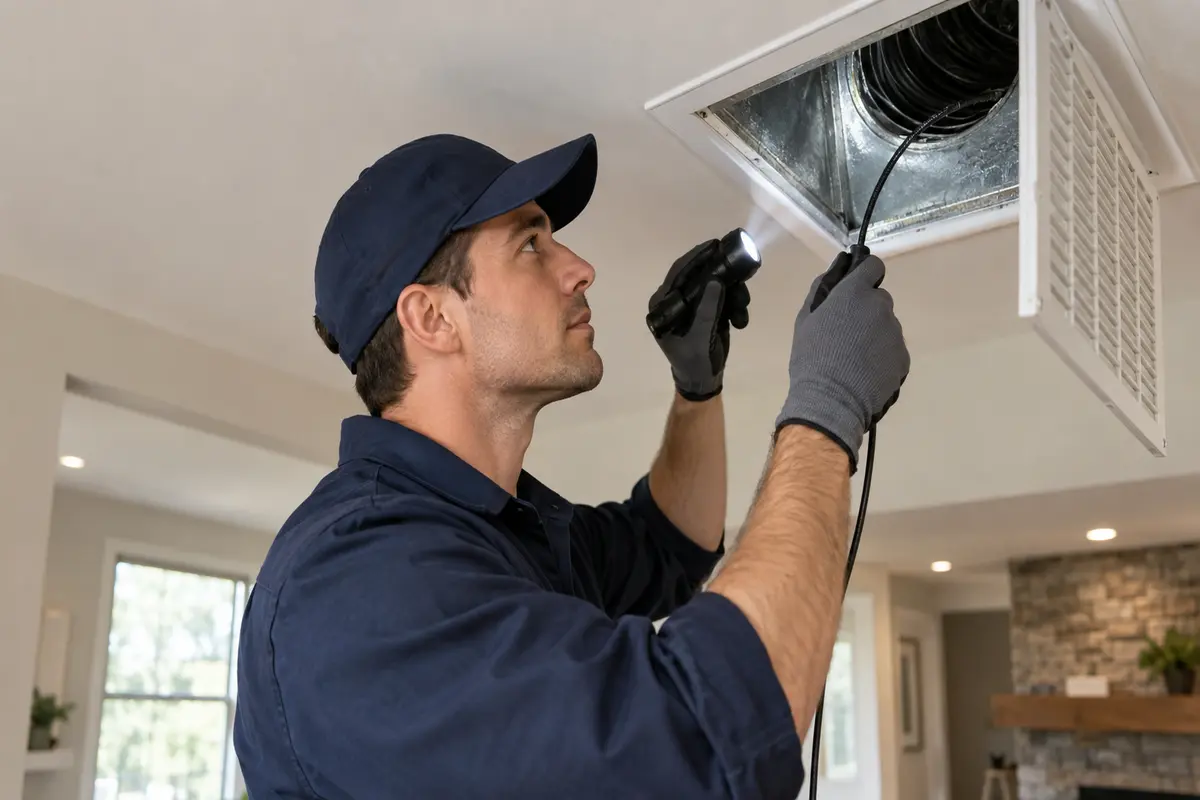
Inspection (5–10 minutes). A technician checks the dryer’s transition hose for damage or improper material, confirms the vent’s layout and length, and gets a baseline read on how restricted the airflow already is.
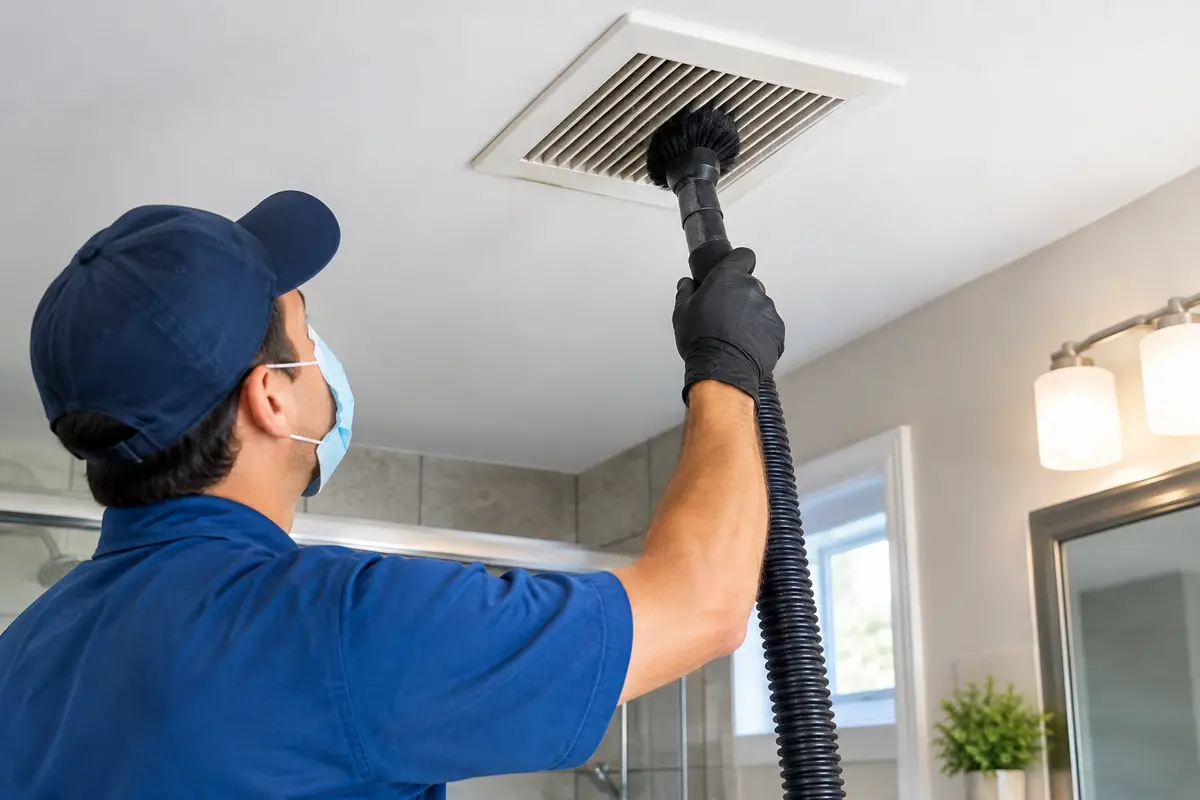
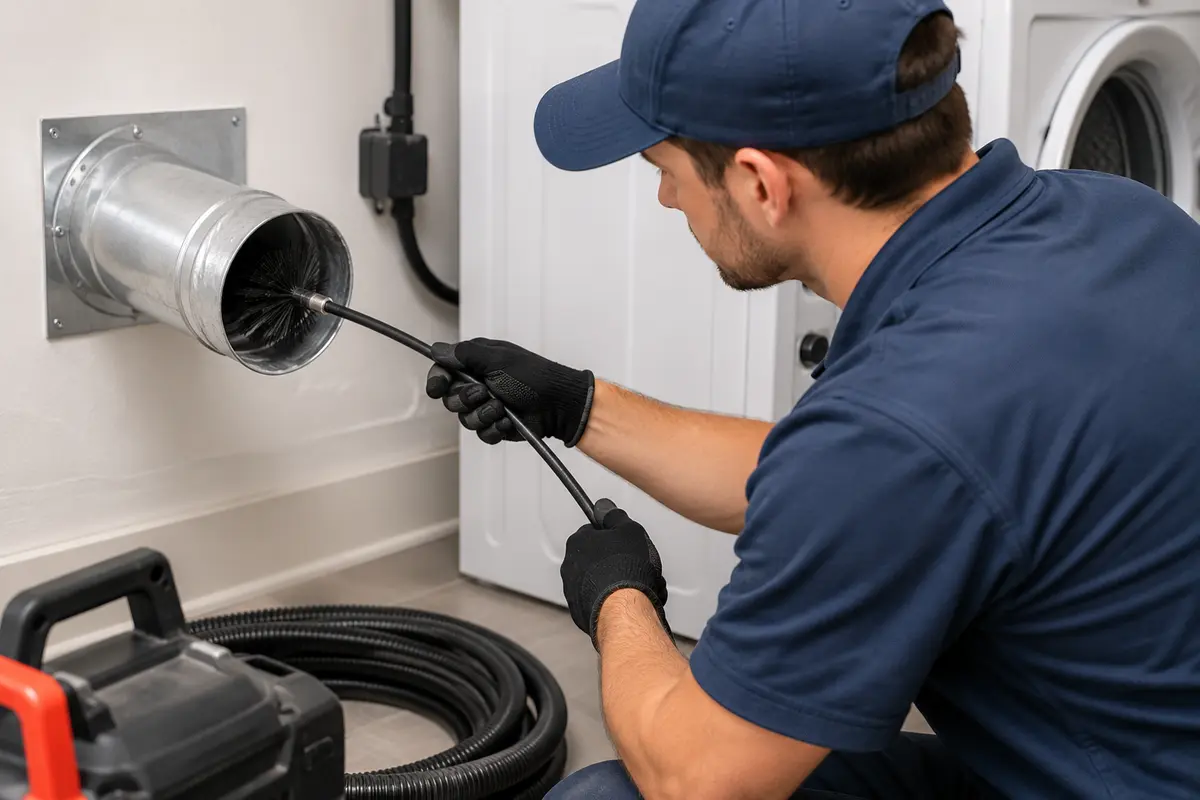
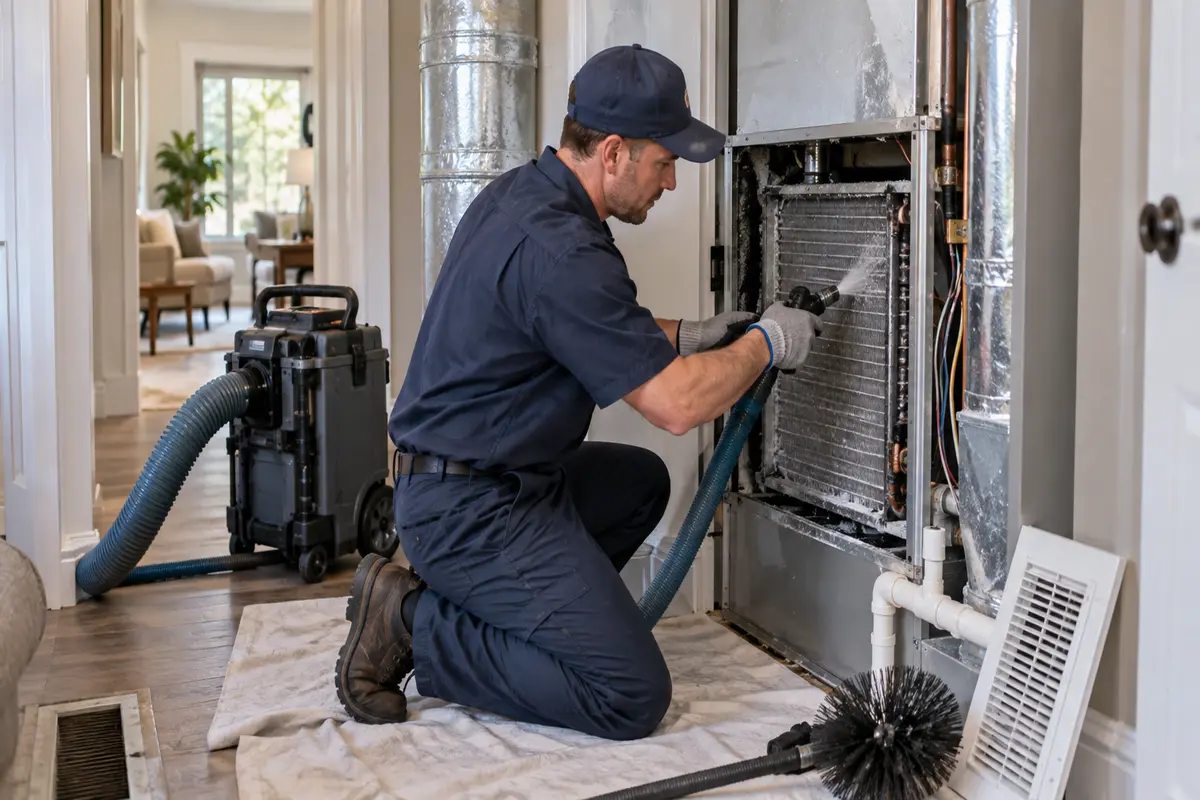
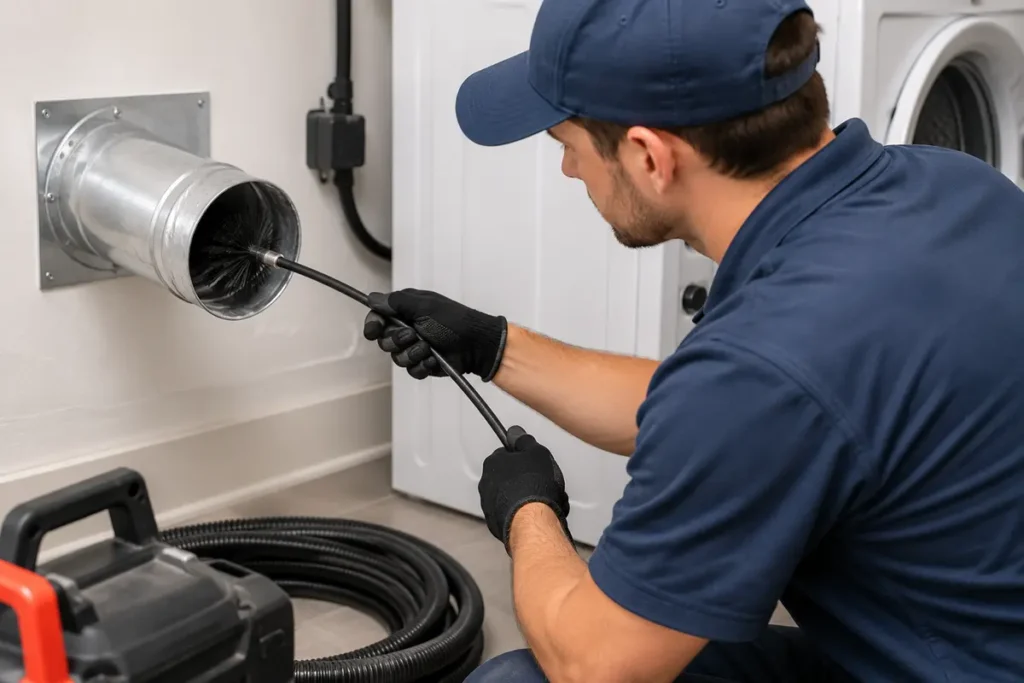
Cleaning (15–40 minutes). This is the bulk of the visit. A rotating brush is fed through the full length of the duct to dislodge lint that’s built up on the interior walls, while a high-powered vacuum captures debris as it’s loosened so it doesn’t end up back in the room or blown into the yard. Longer, more complex runs take more passes to fully clear.
Verification and cleanup (5–10 minutes). Once the duct is clear, the technician reconnects everything, runs the dryer, and checks airflow again at the exterior vent to confirm the improvement. Any lint that fell behind or around the dryer during the process gets cleaned up before the visit wraps up.
Skipping the verification step is one of the easiest ways to tell a rushed job from a thorough one; a genuinely clear vent should show a noticeable difference in airflow at the exterior termination compared to before the cleaning started.
Does a Faster Dryer Vent Cleaning Mean a Worse Job?
A cleaning that wraps up in ten minutes on a vent with a long, complicated layout is a red flag, not a selling point. Lint baked onto duct walls by repeated heat cycles takes time and mechanical agitation to remove, and a proper dryer vent cleaning has to reach the entire run, not just the sections nearest the access points. If a visit seems unusually quick for a vent with several bends or a roof exit, ask about it directly.
How Long Commercial Dryer Vent Cleaning Takes for Laundromats and Apartments
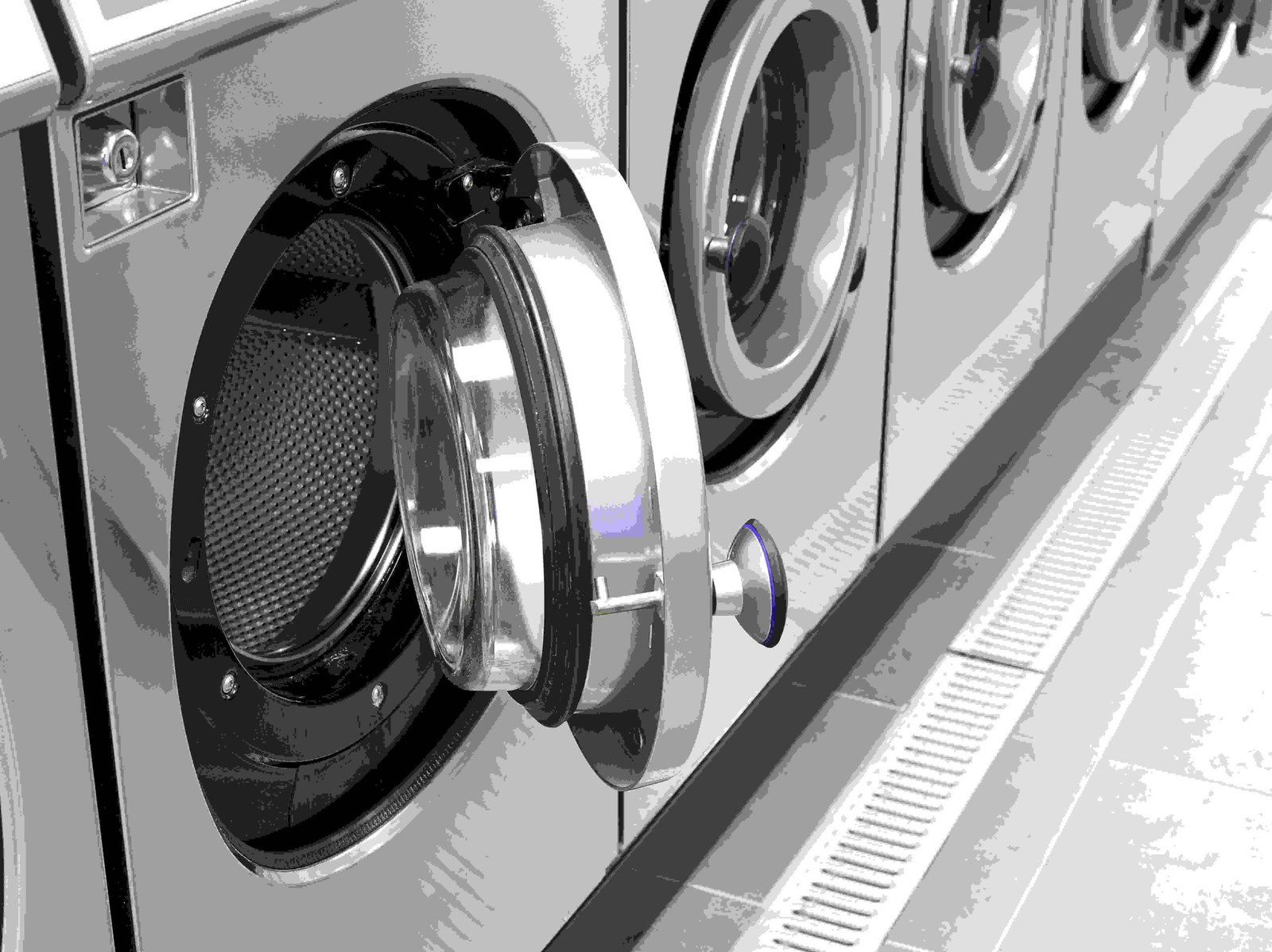
Everything above applies to a single residential dryer. Laundromats and apartment buildings with shared laundry rooms involve multiple machines, often on a shared exhaust system, so cleaning takes considerably longer per visit and needs to happen on a tighter schedule due to constant use. Property managers and laundromat owners using a structured commercial dryer vent maintenance plan typically get a time estimate based on the number of connections being serviced rather than a single flat number, since a two-machine laundry room and a twenty-machine laundromat aren’t comparable jobs.
Dryer Vent Cleaning Time in Older Massachusetts Homes
Boston-area triple-deckers and older multi-family buildings often have dryer vents added or rerouted after original construction, sometimes running unusually long distances to reach an exterior wall or terminating on the roof instead of a nearby wall. Homes like this take longer to clean than a straightforward single-story setup, so it’s best to expect it rather than be surprised. If you’re in the Boston area and dealing with an older multi-family vent configuration, mentioning the layout when scheduling helps set realistic expectations for the visit.
Dryer Vent Cleaning Cost vs Time: How They’re Related
Pricing tends to track with the same factors that affect timing: vent length, number of bends, and how accessible the exhaust point is. For a general sense of what homeowners typically pay in this area, dryer vent cleaning cost in Massachusetts breaks down the main pricing factors in more detail. A quick visit for a simple, well-maintained vent naturally costs less than a longer job involving a roof termination or years of neglected buildup.
Why a Thorough Dryer Vent Cleaning Takes as Long as It Does
A federal analysis by the U.S. Fire Administration, summarised in NFPA’s research on home fires involving clothes dryers, found that failure to clean is the leading contributing factor in home clothes dryer fires, responsible for roughly a third of them. That’s why a thorough cleaning takes as long as it does; a technician moving quickly through the easy sections and skipping the harder-to-reach parts of the duct defeats the purpose of having it done professionally in the first place.
Knowing the warning signs that your dryer vent needs attention between cleanings helps you catch a developing problem before it turns into a longer, more involved service call.
For homes with a shared laundry setup or an in-unit dryer feeding into a building’s laundry vent, laundry dryer vent cleaning covers the differences in that kind of shared-system service.
Get a Custom Time Estimate for Your Dryer Vent Cleaning
Every vent is different, and the fastest way to know what to expect for your setup is a quick conversation about your home’s layout, not a guess based on a general range. Air Wolfe offers a free quote and can give you a realistic time estimate based on your vent’s length, access, and how long it’s been since the last cleaning, with no obligation attached. If you’re not sure whether your setup is on the quick end or the longer end, reach out to Air Wolfe for a straight answer before you schedule.
Frequently Asked Questions
- How long does dryer vent cleaning take for a short, straight vent?
A dryer venting directly out through a nearby exterior wall with no bends can often be cleaned in 15 to 20 minutes, since there’s minimal distance and no elbows for the equipment to navigate. - Why did my dryer vent cleaning take longer than expected?
Long duct runs, multiple bends, roof terminations, and heavy lint buildup from years without cleaning all extend the time needed. Finding an obstruction like a bird’s nest or a disconnected section mid-service also adds time to address it properly. - Can I clean my dryer vent myself to save time?
You can clear the accessible sections near the dryer and the exterior vent yourself, but a DIY cleaning typically can’t reach the full length of a long or bent duct the way professional equipment can. For vents with any real length or complexity, a partial cleaning can leave lint untouched further down the line. - Does a longer cleaning time mean something is wrong with my vent?
Not necessarily. Longer vent runs, second-floor laundry rooms, and roof-terminated systems naturally take more time regardless of how well-maintained the vent is. If you’re unsure, it’s worth asking what’s taking longer, but extra time alone isn’t a red flag. - How often should I schedule dryer vent cleaning to keep visits shorter?
Cleaning on a consistent annual schedule, or more often for heavily used dryers, keeps lint from compacting over multiple seasons, which generally keeps each visit closer to the shorter end of the typical range.